5,000-Year-Old Bread Discovery Reshapes Understanding of Ancient Cuisine
A charred loaf of bread, buried for thousands of years in central Anatolia, is offering remarkable new insights into early food practices—and the deeper meaning food held in ancient societies.
Unearthed at Küllüoba Höyük, the bread dates to around 3000 BCE and is now considered one of the oldest and best-preserved examples from the Early Bronze Age. Far from being a simple food item, the discovery reveals a complex story of technology, culture, and ritual.
A Remarkably Preserved Ancient Loaf
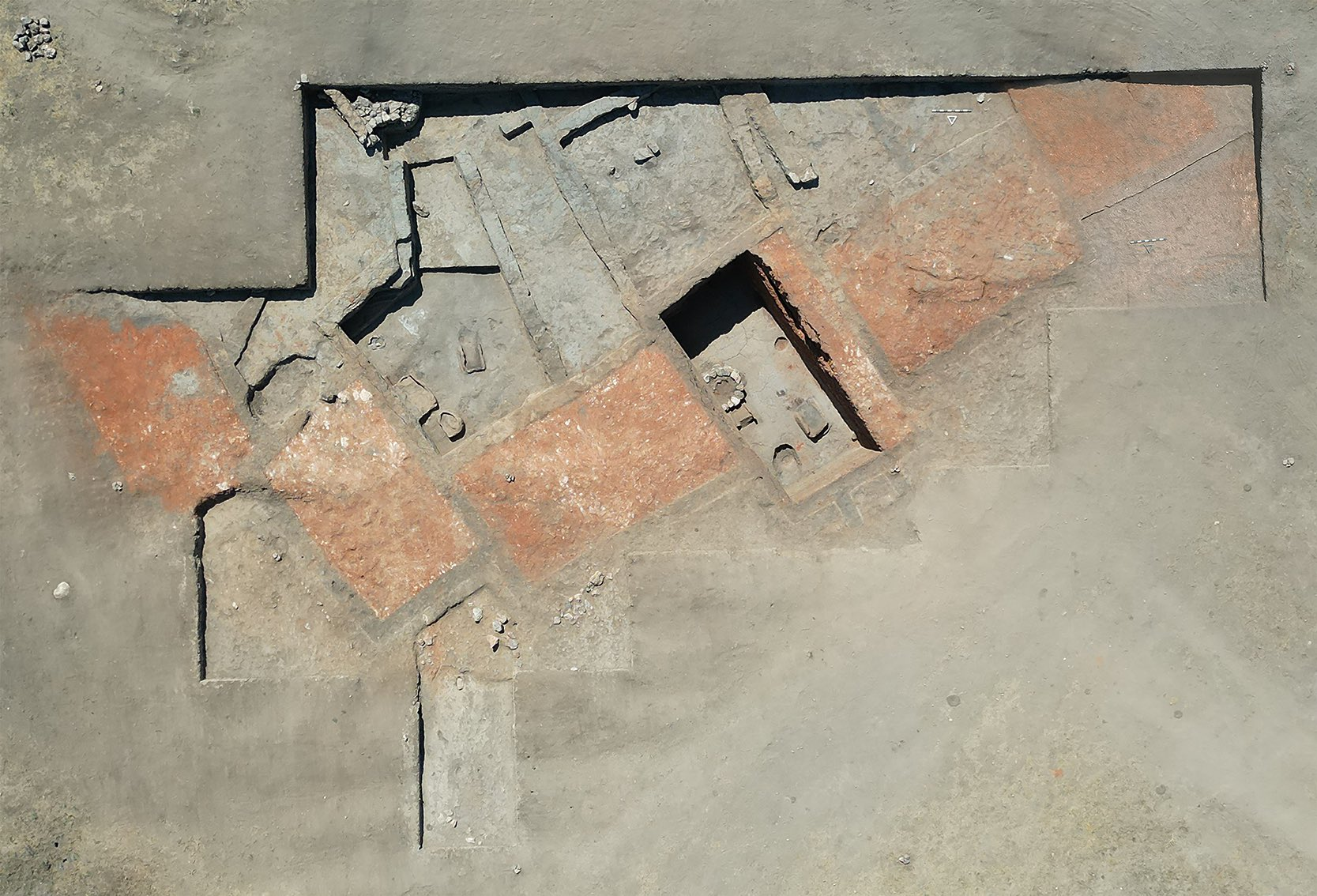
The bread was found intact near the entrance of a structure during excavations. Measuring roughly 12 centimeters in diameter, it had been intentionally burned and buried beneath a clean layer of soil—a context that immediately suggested it was placed deliberately rather than discarded.
Scientific analysis showed that the loaf was made primarily from emmer wheat (Triticum dicoccum), combined with a smaller portion of lentils (Lens culinaris). This blend points to a surprisingly balanced and nutritious recipe for the time, indicating that ancient communities already had a thoughtful approach to food preparation.
Advanced Food Technology in the Early Bronze Age
Researchers used a range of modern techniques—including scanning electron microscopy, Raman spectroscopy, and thermal analysis—to reconstruct how the bread was made.
Their findings revealed that:
The bread was baked at temperatures exceeding 150–160°C
Controlled heating methods were likely used, such as ovens or carefully managed hearths
The loaf retained internal structures like starch granules, even after charring
Chemical analysis also identified carbohydrates, proteins, and fats, providing a detailed picture of its nutritional composition.
Together, these results challenge the idea that early bread-making was basic or experimental. Instead, they show that culinary techniques were already refined and intentional thousands of years ago.
More Than Food: A Ritual Offering
Perhaps the most compelling aspect of the discovery is its symbolic purpose. The bread’s placement—beside a doorway, deliberately burned, and sealed under clean soil—strongly suggests it was part of a ritual rather than everyday consumption.
Archaeologists believe it may have been used in a ceremonial closure of the building, a practice seen in earlier Neolithic traditions where structures were abandoned with offerings.
According to excavation director Murat Türkteki, the find highlights that bread was not just a staple food but also a meaningful cultural object tied to beliefs and traditions.
From Survival to Symbolism
Bread has a long history, with evidence of early bread-like foods dating back over 14,000 years at sites like Shubayqa 1.
By the Early Bronze Age, however, bread had evolved into something more structured—both in how it was made and how it was understood socially.
At Küllüoba, several factors reflect this shift:
Ingredient choices, such as combining wheat and lentils
Refined preparation methods, indicating culinary knowledge
Ritual use, showing symbolic and cultural significance
Archaeobotanical evidence from the site also reveals a broader agricultural system that included barley and einkorn wheat, suggesting a diverse and organized food economy.
A Rare and Valuable Archaeological Find
Well-preserved bread from this period is extremely rare, especially in such a clear ritual context. Unlike fragmented remains, this loaf provides a complete and detailed object for study—bridging the gap between everyday life and symbolic practice.
The discovery also demonstrates how modern scientific tools are transforming archaeology. Without advanced analysis techniques, much of the bread’s story—its ingredients, preparation, and purpose—would have remained hidden.
What This Discovery Reveals About Early Societies
The Küllüoba bread offers a powerful reminder that food has always carried meaning beyond simple survival. Even 5,000 years ago, people were:
Carefully selecting and combining ingredients
Controlling cooking techniques
Embedding food within cultural and ritual practices
In this way, the humble loaf reflects broader human behavior—linking nourishment with identity, tradition, and belief.
A Simple Loaf With a Lasting Message
This ancient bread shows that early societies in Anatolia were far more sophisticated than often assumed. It represents not just a meal, but a connection between daily life and deeper cultural expression.
Ultimately, the discovery highlights a timeless truth: food is never just food. Even in the earliest civilizations, it carried meaning, memory, and a sense of belonging—much like it does today.