Introduction
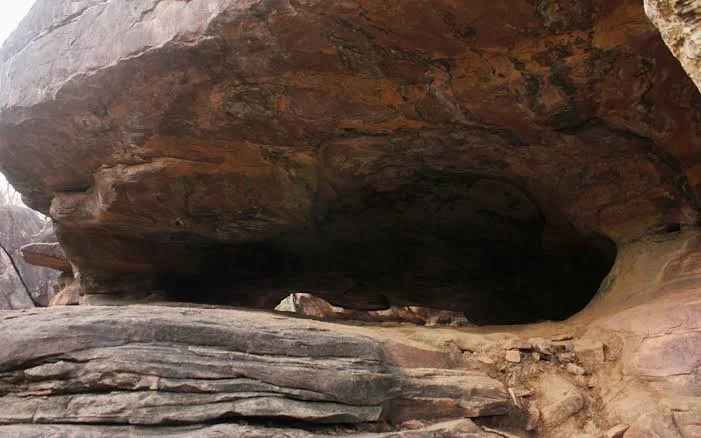
Byneskranskop 1 is an archaeological cave site in the Western Cape of South Africa, situated inland from the coast in the Uilkraals River valley. It is an important locality for investigating the Later Stone Age and the changing relationship between hunter-gatherer communities, livestock, and the wider economy of southern Africa.
The title “Pastoralist Transition” refers to a major period of change in the region’s history: the introduction of domestic livestock and the emergence of communities practising herding. This transition did not occur everywhere at the same time, nor did it immediately eliminate hunting and gathering. Instead, it involved new forms of resource management, mobility, exchange, and interaction among different communities.
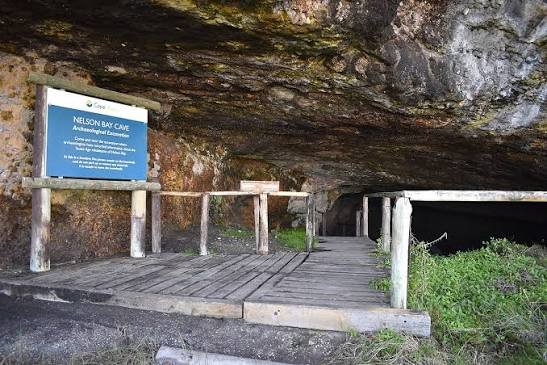
Byneskranskop is particularly useful for studying chronology and technological change. Research comparing the site with Nelson Bay Cave has shown that improved dating can revise interpretations of when particular archaeological traditions appeared. <Cite refs={["turn487166search7","turn487166search8"]} />
The Landscape and Archaeological Setting
Byneskranskop lies within the southern Cape landscape, where inland valleys, coastal environments, and seasonal water sources shaped human movement and resource use.
The cave provided shelter and a place where material from repeated human visits accumulated. Its deposits contain evidence associated with different phases of Later Stone Age occupation, allowing researchers to investigate how technological traditions changed over time.
The archaeological record includes stone artefacts and animal remains. These materials can provide evidence of hunting, food processing, tool manufacture, and changing patterns of resource use. However, the presence of domestic livestock must be established through the identification and dating of appropriate remains, not inferred from the general age of the site.
The distinction between wild and domestic animals can be challenging. Researchers consider skeletal morphology, body size, age profiles, the species represented, and the archaeological context. In some cases, evidence of herding may be strengthened by stable-isotope analysis, which can provide information about animal diets and the environments in which they fed.
What Was the Pastoralist Transition?
Pastoralism is a way of life in which people manage domesticated animals, such as sheep or cattle, for food, materials, exchange, and other purposes. In southern Africa, the introduction of livestock changed the ways some communities obtained resources and organised their activities.
Herding could provide access to milk, meat, hides, and other animal products. It also required knowledge of animal behaviour, grazing conditions, water availability, and the movement of herds through the landscape.
However, pastoralism did not necessarily mean that people stopped hunting, gathering plants, or collecting shellfish. Different communities combined activities in different ways, depending on their environment and social circumstances.
The transition should therefore be understood as a process involving new economic practices rather than a sudden replacement of one entire way of life by another. Some communities may have adopted livestock while retaining established technologies and food-gathering strategies.
Chronology and the Archaeological Record
Byneskranskop is significant because its archaeological deposits span parts of the terminal Pleistocene and Holocene. Researchers have used radiocarbon dating to refine the chronology of the site and compare its sequence with that of Nelson Bay Cave.
A 2016 study presented new radiocarbon dates and Bayesian models for both sites. It demonstrated that older chronological frameworks required reassessment and that the timing of changes between Robberg and Oakhurst assemblages could be more complicated than earlier interpretations suggested. <Cite refs={["turn487166search7","turn487166search8"]} />
This matters for research on pastoralism because livestock appeared much later than the earliest occupations represented in the site’s deposits. A long archaeological sequence must not be treated as evidence that herding was practised throughout the entire period.
Researchers need to identify the particular layers containing livestock remains or other evidence relevant to pastoral activity. These layers must then be dated and compared with evidence from other sites in the region.
Hunter-Gatherers and Herding Communities
The arrival and spread of livestock in southern Africa created new opportunities for exchange and interaction. Communities with different subsistence strategies could share landscapes, exchange materials, and develop relationships involving food, technology, and knowledge.
These interactions should not automatically be described as conflict or replacement. The archaeological record can reflect a range of relationships, including cooperation, trade, intermarriage, competition, and gradual changes in economic practice.
It is also important to avoid treating hunter-gatherers and pastoralists as two completely separate kinds of people. Individuals and communities could combine different practices, and economic identity could change according to local conditions.
The history of pastoralism is therefore connected to wider questions about mobility, social networks, and cultural continuity. Archaeologists examine the distribution of livestock remains, stone-tool assemblages, pottery, and other materials to understand how these relationships developed.
Livestock, Diet, and the Environment
Domestic animals changed the relationship between people and the environment. Herds required access to water and suitable grazing, which could influence where communities travelled or established camps.
Livestock could also buffer some risks associated with fluctuations in wild food availability. However, herding introduced its own challenges, including disease, drought, loss of animals, and the need to manage grazing areas.
Stable-isotope analysis of animal remains can help investigate feeding patterns and the landscapes used by livestock. When combined with archaeological evidence, these data can contribute to understanding how herders managed animals in different ecological zones.
The environmental context is particularly important in the southern Cape, where coastal and inland environments offer different resources. The location of Byneskranskop makes it relevant to broader investigations of how people used these connected landscapes.
Why Reliable Dating Matters
The pastoralist transition cannot be reconstructed accurately without a reliable chronology. If an animal bone is incorrectly dated or has been moved from its original layer, researchers may draw misleading conclusions about when livestock first appeared.
Radiocarbon dating is most useful when applied to suitable, well-documented material. Researchers also consider whether the dated sample is directly associated with the activity under investigation.
Bayesian models can improve chronological estimates by combining multiple dates with stratigraphic information. However, the quality of a model depends on the accuracy of the dates and the relationships among layers.
This methodological work is not merely technical. It influences how researchers understand the pace of cultural change and the relationships among communities.
Conclusion
Byneskranskop is an important site for investigating the long archaeological history of southern Africa and the transition toward livestock herding. Its deposits provide a record of earlier hunter-gatherer occupations, while its regional setting helps researchers explore the broader history of pastoralism and interaction between communities.
The pastoralist transition was a gradual and varied process rather than a single event. Understanding it requires securely dated livestock remains, careful analysis of artefacts, and comparisons with other archaeological sites.
By refining the chronology of Byneskranskop and related localities, researchers can better investigate how people adapted to new resources, maintained older practices, and formed relationships across the changing landscapes of southern Africa.