• MAIN PAGE
  • LATEST NEWS
    • Lost Cities
    • Archaeology's Greatest Finds
    • Underwater Discoveries
    • Greatest Inventions
    • Studies
    • Blog
  • PHILOSOPHY
  • HISTORY
  • RELIGIONS
    • Africa
    • Anatolia
    • Arabian Peninsula
    • Balkan Region
    • China - East Asia
    • Europe
    • Eurasian Steppe
    • Levant
    • Mesopotamia
    • Oceania - SE Asia
    • Pre-Columbian Civilizations of America
    • Iranian Plateau - Central Asia
    • Indus Valley - South Asia
    • Japan
    • The Archaeologist Editor Group
    • Scientific Studies
    • Aegean Prehistory
    • Historical Period
    • Byzantine Middle Ages
    • Predynastic Period
    • Dynastic Period
    • Greco-Roman Egypt
  • Rome
  • PALEONTOLOGY
  • About us
Menu

The Archaeologist

  • MAIN PAGE
  • LATEST NEWS
  • DISCOVERIES
    • Lost Cities
    • Archaeology's Greatest Finds
    • Underwater Discoveries
    • Greatest Inventions
    • Studies
    • Blog
  • PHILOSOPHY
  • HISTORY
  • RELIGIONS
  • World Civilizations
    • Africa
    • Anatolia
    • Arabian Peninsula
    • Balkan Region
    • China - East Asia
    • Europe
    • Eurasian Steppe
    • Levant
    • Mesopotamia
    • Oceania - SE Asia
    • Pre-Columbian Civilizations of America
    • Iranian Plateau - Central Asia
    • Indus Valley - South Asia
    • Japan
    • The Archaeologist Editor Group
    • Scientific Studies
  • GREECE
    • Aegean Prehistory
    • Historical Period
    • Byzantine Middle Ages
  • Egypt
    • Predynastic Period
    • Dynastic Period
    • Greco-Roman Egypt
  • Rome
  • PALEONTOLOGY
  • About us
No results found

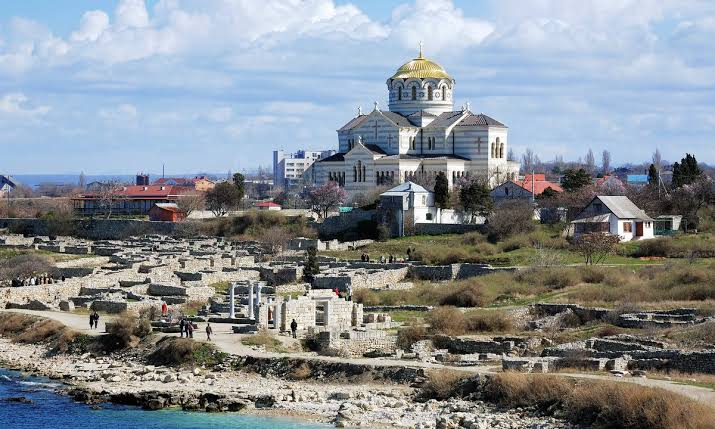
Chersonesos: Crimea's 5th-Century Greek City

September 20, 2026

Introduction

Chersonesos, located near modern Sevastopol in Crimea, was one of the most important ancient Greek cities of the northern Black Sea.

Founded by Greek settlers in the fifth century BCE, the city survived for centuries and became a major center of trade, agriculture, Christianity, and diplomacy.

Its archaeological remains provide an unusually rich record of ancient urban life.

Greek Colonization

Greek colonies were established around the Black Sea beginning in the first millennium BCE.

Chersonesos emerged within this wider movement.

The settlers brought Greek traditions of:

  • urban planning;

  • civic institutions;

  • religion;

  • language;

  • coinage;

  • architecture.

Urban Structure

The city contained streets, residential buildings, public spaces, religious structures, workshops, and defensive walls.

Its planned environment demonstrates the importance of organized urban development.

Agriculture

Although Chersonesos was a maritime city, agriculture was fundamental to its economy.

The surrounding territory supported vineyards and grain cultivation.

Wine production became particularly important.

The relationship between urban centers and their agricultural territories was essential to ancient Greek colonial economies.

Trade

Chersonesos participated in extensive Black Sea trade.

Ships connected the city with other coastal communities.

Goods included:

  • wine;

  • grain;

  • pottery;

  • fish products;

  • metals;

  • agricultural commodities.

Roman and Byzantine Periods

The city later came under Roman influence and subsequently became an important Byzantine center.

Its strategic location made it valuable to successive powers.

Christianity

Chersonesos became particularly important in the history of Christianity in the region.

Christian monuments, churches, and inscriptions demonstrate the transformation of the city from a pagan Greek community into a Christian urban center.

Archaeological Preservation

The ruins contain:

  • defensive walls;

  • streets;

  • houses;

  • churches;

  • workshops;

  • public buildings;

  • cisterns;

  • burial areas.

This makes Chersonesos one of the most important archaeological sites for understanding the ancient Black Sea.

Conclusion

Chersonesos represents more than a Greek colonial settlement.

Its long history illustrates the transformation of the northern Black Sea from a Greek commercial frontier into a Roman and Byzantine cultural zone.

The site provides extraordinary evidence for urbanism, trade, agriculture, religion, and cultural change.
← Tmutarakan: Ukraine's 10th-Century Greek ColonyKerch: Crimea's Ancient Panticapaeum →
Featured
images (88).jpeg
September 20, 2026
Vendel Cemetery: Sweden's Pre-Viking Elite Graves
September 20, 2026
Read more →
September 20, 2026
images (89).jpeg
September 20, 2026
Valsgärde: Sweden's Ship Burials
September 20, 2026
Read more →
September 20, 2026
images (90).jpeg
September 20, 2026
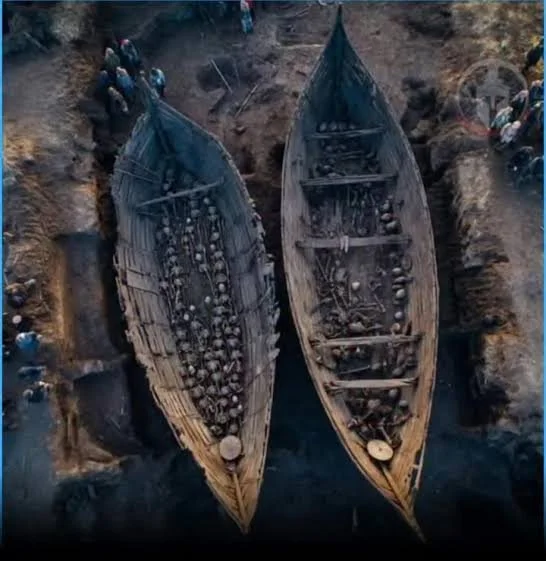
Boat Graves of Salme: Estonia's 8th-Century Warriors
September 20, 2026
Read more →
September 20, 2026
images (92).jpeg
September 20, 2026
Rõuge: Estonia's Bronze Age Hillfort
September 20, 2026
Read more →
September 20, 2026
images (93).jpeg
September 20, 2026
Asva: Saaremaa's Iron Age Fort
September 20, 2026
Read more →
September 20, 2026
images (94).jpeg
September 20, 2026
Ridala: Estonia's Stone Cist Graves
September 20, 2026
Read more →
September 20, 2026
read more

Powered by The archaeologist