Introduction
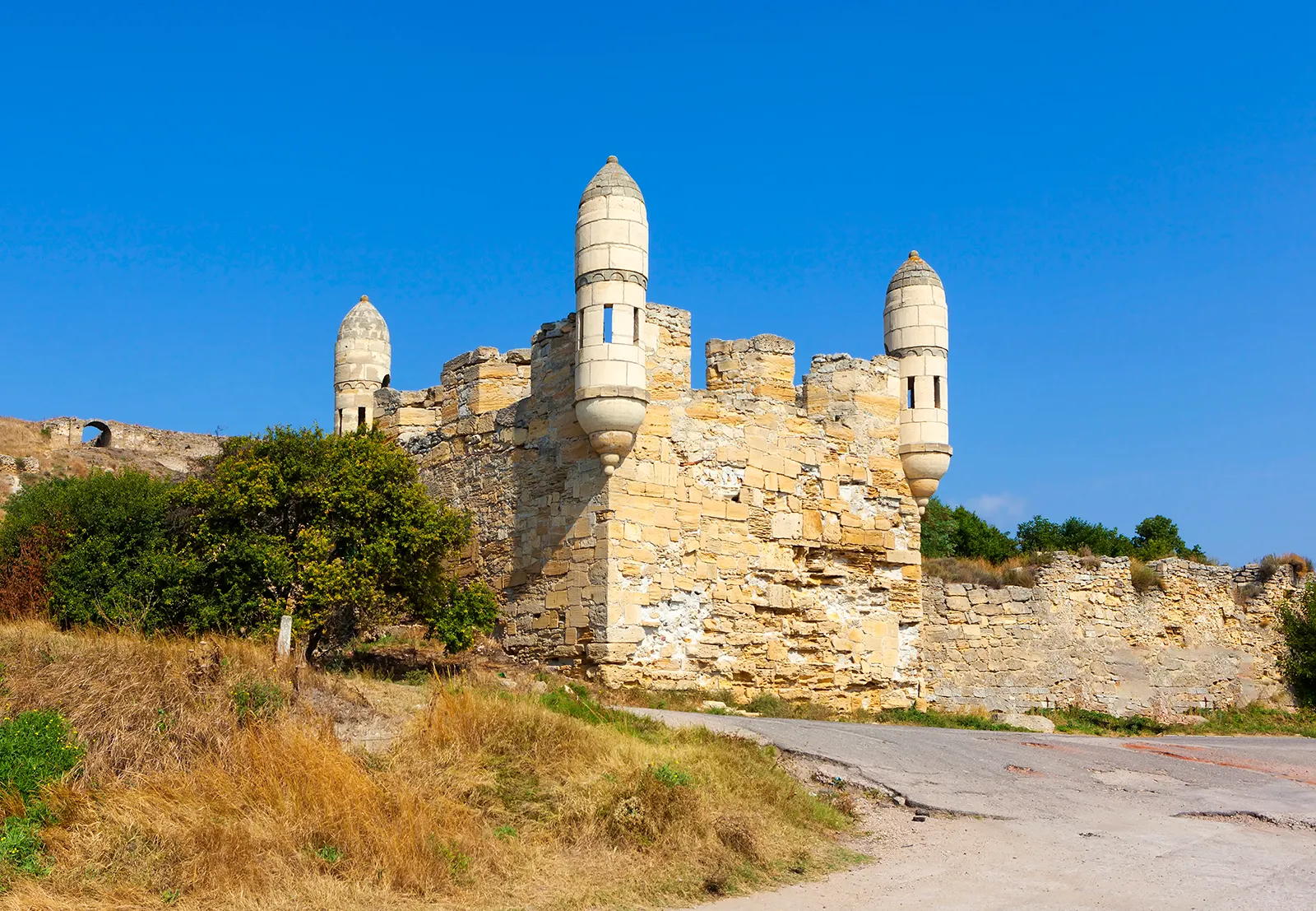
Kerch occupies the site of ancient Panticapaeum, one of the most important Greek cities of the northern Black Sea.
Founded by Greek settlers in the seventh century BCE, Panticapaeum eventually became the capital of the Bosporan Kingdom.
Its history demonstrates how Greek colonies developed into powerful regional states.
Foundation of Panticapaeum
Greek settlers established Panticapaeum on the eastern side of the Crimean Peninsula.
The location was strategically excellent.
The city overlooked the Kerch Strait, connecting the Black Sea with the Sea of Azov.
This gave Panticapaeum control over maritime routes and access to agricultural territories.
The Bosporan Kingdom
Panticapaeum became the political center of the Bosporan Kingdom.
Unlike a simple Greek colony, the Bosporan Kingdom was a complex state incorporating Greek cities, rural populations, and communities with strong connections to the steppe.
Grain Production
Agriculture was fundamental to the kingdom's prosperity.
The northern Black Sea region was capable of producing large quantities of grain.
Greek cities could export agricultural products to the wider Mediterranean world.
This relationship became especially important for cities such as Athens, which depended heavily on imported grain.
Maritime Trade
Panticapaeum's position allowed merchants to participate in long-distance trade.
Ships transported agricultural products and imported luxury goods.
Archaeological evidence includes:
amphorae;
coins;
pottery;
jewelry;
architectural fragments.
Coinage
The Bosporan rulers issued coins.
Coinage provides important evidence for political authority, economic activity, and royal ideology.
Images placed on coins could communicate the identity and legitimacy of rulers.
Elite Burials
The Kerch region is famous for monumental burial structures known as kurgans.
Some contain elaborate chambers and valuable grave goods.
These monuments demonstrate the wealth of Bosporan elites and their interaction with surrounding cultural traditions.
Greek and Steppe Cultures
Panticapaeum existed at the intersection of Mediterranean and steppe worlds.
Greek artistic traditions interacted with Scythian and other regional cultures.
This produced distinctive forms of art and material culture.
Later History
Panticapaeum remained important through Roman and later periods.
Its strategic location continued to attract powerful states.
Conclusion
Ancient Panticapaeum demonstrates how Greek colonization could produce sophisticated regional kingdoms.
Its economy combined agriculture, maritime trade, political administration, and cultural interaction.
The archaeological remains of Kerch provide some of the clearest evidence for the complex relationship between the Greek Mediterranean and the Eurasian steppe.