A Heritage Crisis Unfolding in Real Time
Across the world’s coastlines, an urgent battle is unfolding. Ancient cities, sacred monuments, and archaeological landscapes are being slowly consumed by rising seas, stronger storms, and accelerating coastal erosion. As climate change intensifies, humanity is facing a new kind of loss—not just environmental, but cultural.
Many of these vulnerable sites represent thousands of years of history, now at risk of disappearing within decades.
The Science Behind Rising Threats
Sea levels are rising due to two major factors:
Melting glaciers and polar ice sheets
Thermal expansion of warming ocean water
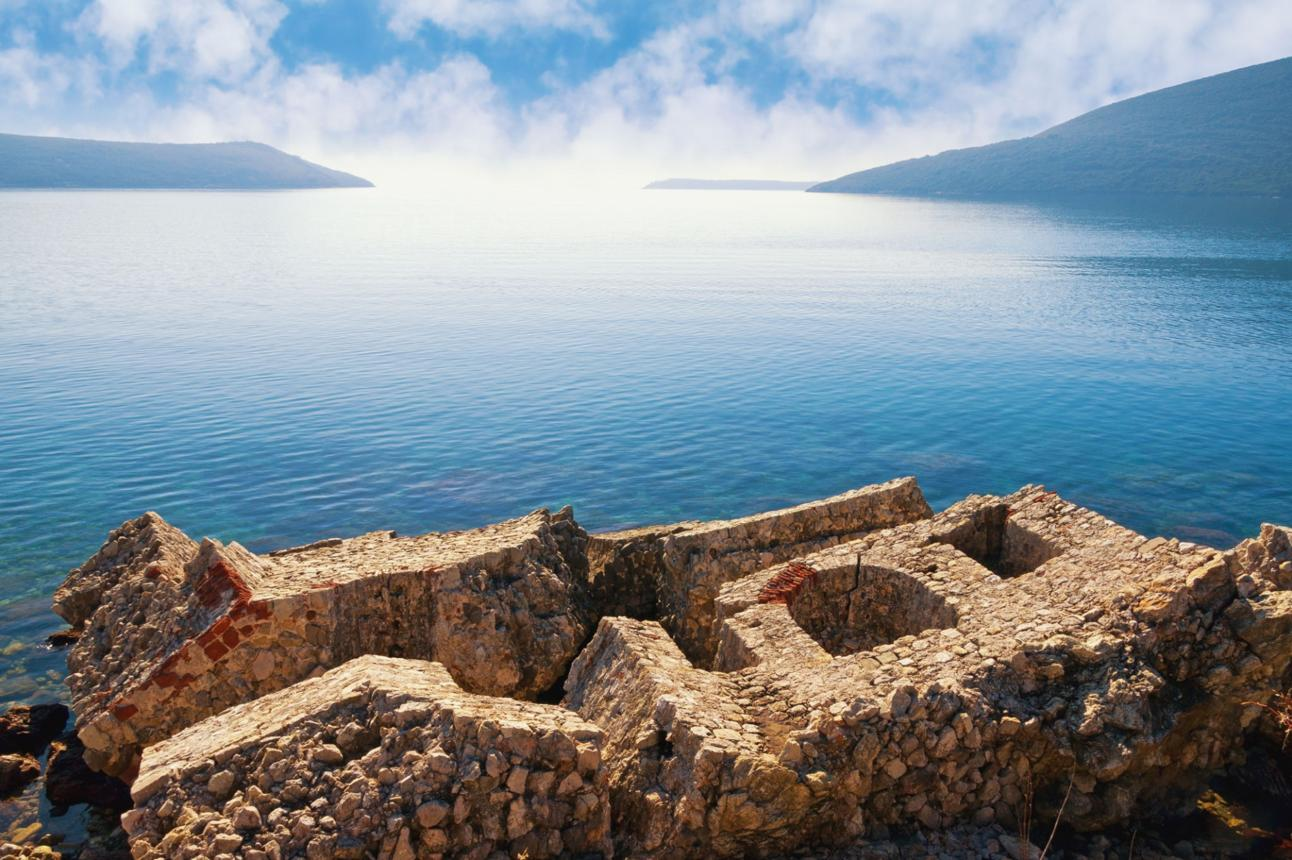
As a result, low-lying archaeological sites are increasingly exposed to flooding, saltwater damage, and structural collapse.
Saltwater is especially destructive, as it:
Weakens stone foundations
Corrodes metals
Accelerates decay of organic materials
Once damage begins, it is often irreversible.
Sites on the Front Line
Some of the world’s most significant heritage locations are under threat, including:
Coastal temples and religious shrines
Ancient ports and trade cities
Prehistoric settlement sites
Shipwrecks and submerged landscapes
Entire archaeological landscapes are now being documented before they are lost forever.
The Race Against Time
Archaeologists are working rapidly to document endangered sites using:
Drone mapping
3D laser scanning (LiDAR)
Underwater archaeology
Satellite imaging
These technologies allow researchers to create detailed digital records before physical structures disappear.
In many cases, documentation is now considered a form of preservation.
Preservation vs. Relocation
There are two main strategies for protecting coastal heritage:
1. In-situ protection
Building barriers, seawalls, or drainage systems to protect sites in their original location.
2. Relocation
Moving artifacts or even entire structures to safer ground.
However, both approaches have limitations. Relocation can strip sites of their context, while barriers are often expensive and temporary against rising seas.
The Emotional Cost of Loss
Beyond scientific value, these sites hold deep cultural and spiritual meaning for local communities. Their disappearance represents:
Loss of identity
Loss of ancestral connection
Loss of historical continuity
In many regions, heritage is not just history—it is living memory.
Digital Preservation as a New Solution
When physical preservation is impossible, digital archaeology offers an alternative.
Projects now use:
3D reconstructions of temples and ruins
Virtual reality heritage experiences
Digital archives accessible worldwide
This ensures that even if sites are destroyed, their knowledge survives.
A Global Inequality Problem
Climate change does not affect all heritage equally. Many of the most vulnerable sites are in regions with limited funding for conservation.
This creates a global inequality in preservation, where wealthier nations can protect their heritage more effectively than others.
A Future of “Lost Heritage”
Archaeologists warn that the coming decades may see the largest loss of cultural heritage since the end of the last Ice Age. Some sites may disappear before they are even fully studied.
This raises a profound question: what is lost when history itself disappears?