A Growing Ethical Debate in Archaeology
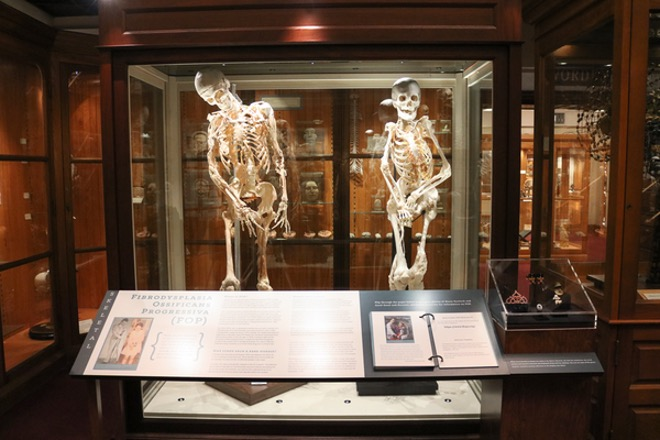
Museums and research institutions around the world hold millions of human remains—bones, mummies, and preserved bodies that offer invaluable insights into past civilizations. But their display raises a difficult question: when does scientific study become ethical concern?
From ancient burials to mummified individuals from Egypt, Peru, and Europe, institutions must balance knowledge with respect.
Why Human Remains Are Studied
Human remains provide critical scientific data, including:
Diet and nutrition
Disease patterns
Migration history
Cultural burial practices
Through modern techniques such as DNA analysis and isotope testing, researchers can reconstruct ancient lives with remarkable detail.
The Case for Display
Supporters argue that displaying remains:
Educates the public
Preserves historical knowledge
Honors ancient cultures through understanding
Advances scientific research
In this view, careful display can be both informative and respectful.
The Case Against Display
Critics argue that human remains should not be treated as exhibits. Concerns include:
Lack of consent from the deceased
Cultural and spiritual sensitivities
Potential commodification of human bodies
Emotional distress for visitors
Many Indigenous communities strongly advocate for the repatriation and burial of ancestral remains.
Museums Under Pressure
In recent years, museums have faced increasing calls to reassess their collections. Some institutions have begun returning remains to descendant communities, while others have introduced stricter ethical guidelines for display.
The Role of Consent and Context
One of the most important ethical questions is consent. Ancient individuals could not agree to their remains being studied or displayed. This raises questions about how modern institutions should act responsibly.
Context also matters. Remains displayed with cultural explanation and dignity are often viewed differently than those exhibited as curiosities.
Scientific Value vs. Human Dignity
The central tension lies between two values:
Advancing scientific knowledge
Respecting human dignity
Finding a balance between these priorities remains one of archaeology’s greatest ethical challenges.
Evolving Standards
Ethical standards are changing. Many institutions now:
Limit public display of remains
Use digital reconstruction instead
Prioritize repatriation requests
Consult descendant communities
A Question Without Easy Answers
There is no universal rule for when display becomes disrespectful. Each case depends on culture, context, and intent.
Rethinking the Past
Ultimately, the debate forces us to reconsider how we engage with history—not just as researchers, but as human beings.
Conclusion: Respect and Knowledge Must Coexist
The study of human remains will always be important for understanding the past. But it must be done with care, sensitivity, and respect for the individuals behind the science.