A Radical Idea Reshaping Science
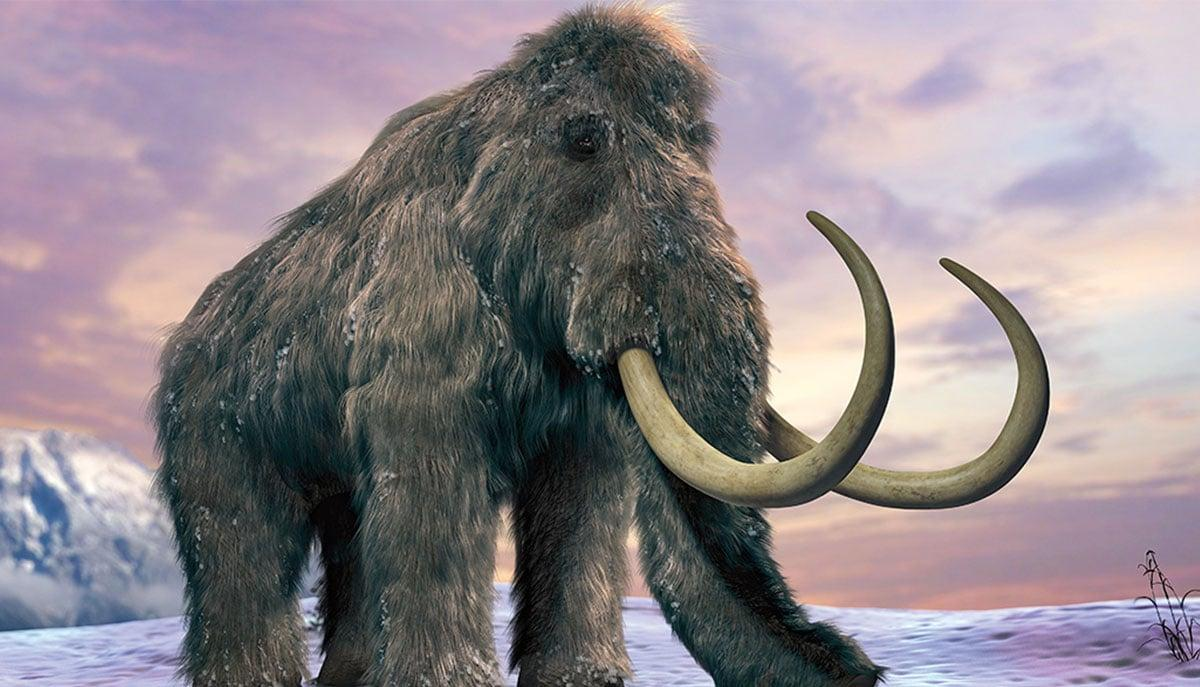
In recent years, advances in genetics have made what once sounded like science fiction seem increasingly plausible: the return of extinct species. Among the most famous candidates is the woolly mammoth, a giant Ice Age animal that once roamed the northern tundra.
Through DNA extraction from preserved remains, scientists are exploring whether de-extinction is possible.
What Is De-Extinction?
De-extinction refers to the process of reviving extinct species using modern genetic technology. This may involve:
Cloning preserved DNA
Editing genes of living relatives
Creating hybrid organisms
For mammoths, scientists are working with Asian elephants as the closest living relatives.
The Scientific Progress So Far
DNA from frozen mammoth remains has been successfully sequenced. However, the DNA is fragmented, making full cloning impossible at present.
Instead, researchers are exploring gene editing techniques to introduce mammoth-like traits into elephants, such as:
Thick fur
Fat layers for cold resistance
Cold-adapted blood proteins
The goal is not an exact replica, but a functional ecological substitute.
The Ecological Argument
Supporters of de-extinction argue that bringing back mammoth-like animals could help restore lost ecosystems, particularly the Arctic tundra.
They suggest mammoths could:
Trample snow to help permafrost remain frozen
Encourage grassland ecosystems
Reduce methane emissions from thawing soil
This concept is known as “Pleistocene rewilding.”
The Ethical Debate
However, the idea raises serious ethical questions:
Is it right to recreate extinct life forms?
What quality of life would these animals have?
Could they disrupt modern ecosystems?
Some scientists argue that resources would be better spent protecting endangered species rather than reviving extinct ones.
Archaeology and De-Extinction
For archaeologists, de-extinction is particularly intriguing. It could allow researchers to:
Study ancient ecosystems in real time
Test theories about human-animal interactions
Understand extinction causes more deeply
But it also blurs the line between past and present in unprecedented ways.
Risks and Uncertainties
Major challenges include:
Genetic instability
Unknown ecological consequences
High costs of long-term care
Ethical responsibility for engineered life
There is also concern about whether such projects could be misused or commercialized.
A Symbolic Return
Even if true mammoths are never fully revived, the effort itself represents something important: humanity’s desire to reconnect with lost worlds.
Conclusion: Science at a Crossroads
De-extinction sits at the intersection of archaeology, genetics, and ethics. It forces us to ask whether we should undo extinction—or focus on preventing it in the present.
Either way, the woolly mammoth has already achieved something remarkable: it has become a symbol of humanity’s power to reshape life itself.