Introduction
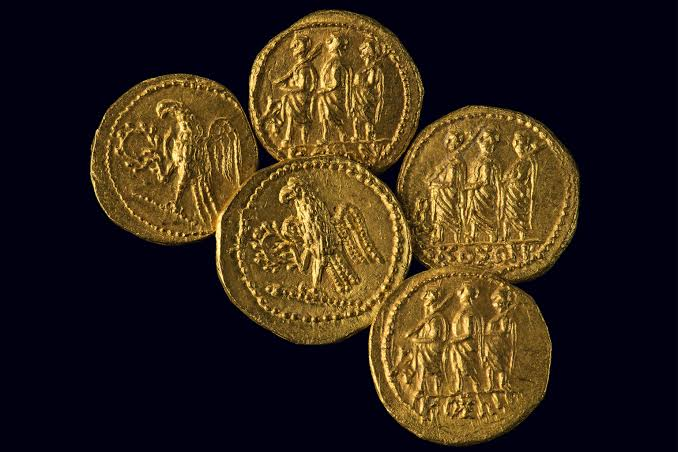
Deep within the rugged Apuseni Mountains of western Romania lies one of the most heavily exploited metallurgical landscapes in human history. Long before the Roman emperor Trajan launched his brutal, wealth-driven Dacian Wars in the early 2nd century CE, the native Dacian kingdoms had established a highly sophisticated, wealthy civilization centered around their sacred mountaintop capital, Sarmizegetusa Regia. The bedrock of Dacian geopolitical power was their total monopoly over the immense surface deposits of gold and silver in Transylvania, particularly around sites like Roșia Montană. This vast wealth allowed Dacian kings like Decebalus to construct a formidable network of stone fortresses and finance massive standing armies that directly threatened the northern frontiers of Rome.
For generations, archaeologists and historians debated the exact nature of Dacian society and mining technology. Were these gold mines operated by an enslaved, exploited labor class imported from foreign territories, or did they represent a highly specialized, native technological elite? The answers required a multi-pronged approach, matching physical excavations of ancient mining shafts with paleogenomic sequencing of skeletal remains found in Transylvania's Bronze and Iron Age mining zones.
The Metallurgy and Genetics of Transylvanian Miners
To understand the demographic makeup of the people who extracted the wealth of Sarmizegetusa, archaeogeneticists analyzed ancient DNA from human remains buried in close proximity to ancient mining centers and within the defensive rings of Dacian fortresses. The genomic data revealed that the Bronze and Iron Age populations of Transylvania were the direct descendants of a stable, deeply rooted Paleo-Balkan genetic lineage that had occupied the Carpathian basin for millennia. These individuals carried a heavy genetic signature resulting from the ancient fusion of local European agriculturalists and incoming steppe pastoralists, showing an incredibly high degree of genetic homogeneity across the region.
This high level of genetic continuity indicates that Dacian gold mining was not initially an industry driven by imported foreign slave labor. Instead, it was controlled by an indigenous, hereditary caste of highly skilled miners and metalsmiths who passed down their technological secrets over generations. These mining communities maintained a prosperous lifestyle, as evidenced by the high nutritional health and rich bronze and gold grave goods found in their flat cemeteries.
However, the paleogenomic record shows a dramatic, violent disruption corresponding precisely to the Roman conquest in 106 CE. Following Trajan’s campaigns—which resulted in the plunder of over 160 tons of Dacian gold—the local genetic lineages in the mining districts show a sudden, massive influx of foreign Mediterranean, North African, and Near Eastern genetic signatures. The Romans systematically depopulated parts of Dacia and imported expert miners from across the entire empire to maximize gold extraction, permanently altering the demographic landscape of the Carpathian region and creating a highly cosmopolitan, imperial mining society.
Conclusion
The scientific unmasking of the genetics surrounding Dacia's gold mines and the secrets of Sarmizegetusa provides a stark look at the rise and fall of a prehistoric metallurgical superpower. It proves that the fabulous wealth of the Dacian kingdom was built upon a deeply rooted, indigenous technological foundation that successfully exploited the natural riches of the Carpathian mountains for centuries.
While the violent Roman conquest fractured their native political structures and flooded the mining districts with a diverse array of imperial laborers, the deep genetic substrate of the pre-Roman Dacians remained heavily anchored in the rural hinterlands. Today, the ancient mining shafts and stone circles of Sarmizegetusa stand as a testament to a resilient Paleo-Balkan civilization whose biological descendants and metallurgical legacy helped shape the foundational identity of modern Romania.