The Hidden Cities of the Desert
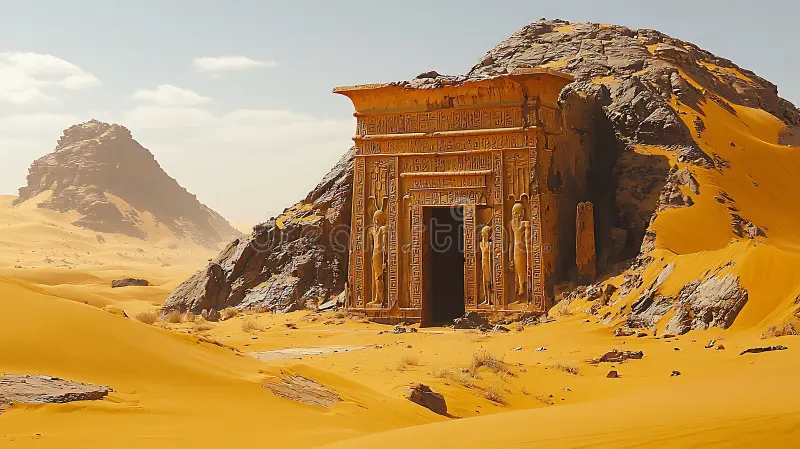
Deserts have long fascinated explorers and historians, but they are also home to lost civilizations. Over time, winds and shifting sands have swallowed entire settlements, leaving them buried and forgotten.
These buried cities provide remarkable archaeological opportunities. By studying them, we can learn about human adaptation to extreme environments and the ingenuity of ancient societies.
The Forces of Nature
Moving sands are relentless. Wind erosion can slowly cover buildings, streets, and artifacts, preserving them for centuries. While this burial protects sites from human interference, it also makes them difficult to locate and excavate.
Climate change, drought, and desertification may have contributed to the decline of these settlements. As resources became scarce, populations could have migrated, leaving cities to be reclaimed by nature.
Archaeological Discoveries
Modern archaeology has revealed many desert cities that were once thriving centers of culture and trade. Sites such as Ubar in the Arabian Peninsula and the lost cities of the Sahara illustrate advanced engineering, irrigation, and urban planning.
Excavations often involve careful removal of sand and analysis of buried structures. Artifacts like pottery, tools, and inscriptions provide insight into daily life, commerce, and cultural practices.
Challenges of Desert Archaeology
Desert excavations are technically demanding. Harsh conditions, extreme temperatures, and shifting sands pose logistical challenges. Archaeologists must also balance preservation with exploration, ensuring that fragile materials are not damaged.
Despite these difficulties, discoveries continue to illuminate human resilience and adaptability.
Cultural Significance
Buried desert cities reveal more than architecture—they show how humans adapted to scarcity, trade, and climate extremes. They provide evidence of social organization, economic networks, and cultural expression in environments that were often hostile.
A Window into the Past
These lost civilizations remind us that deserts were once vibrant landscapes. They challenge assumptions about human settlement and survival, showing that even in extreme conditions, societies could flourish.