Creativity in the Dawn of Humanity
Art is a defining characteristic of humanity, and its origins reach back tens of thousands of years. Cave paintings, carvings, and pigments reveal that early humans were driven not only by survival but also by expression, communication, and meaning.
These earliest artworks provide a window into the minds and societies of our ancestors. They reflect a combination of skill, observation, and imagination, challenging the notion that prehistoric life was purely functional.
Cave Paintings and Rock Art
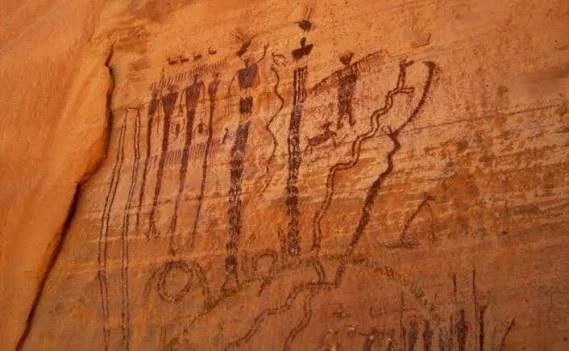
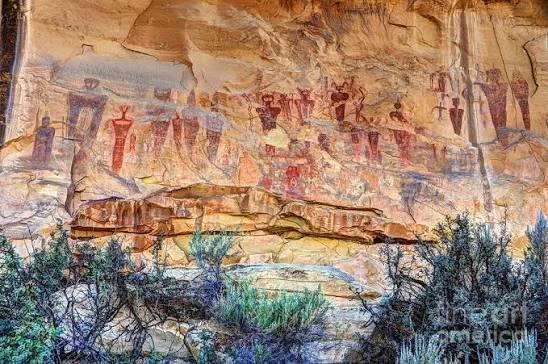
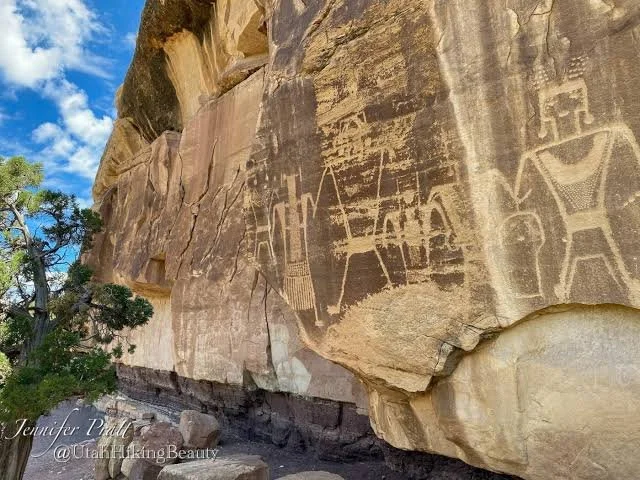
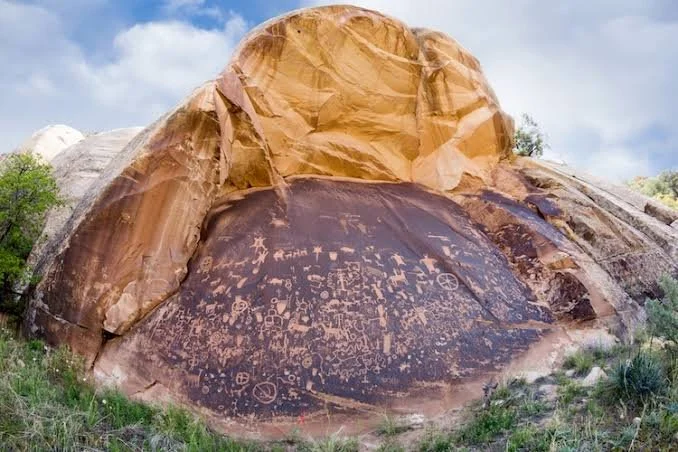
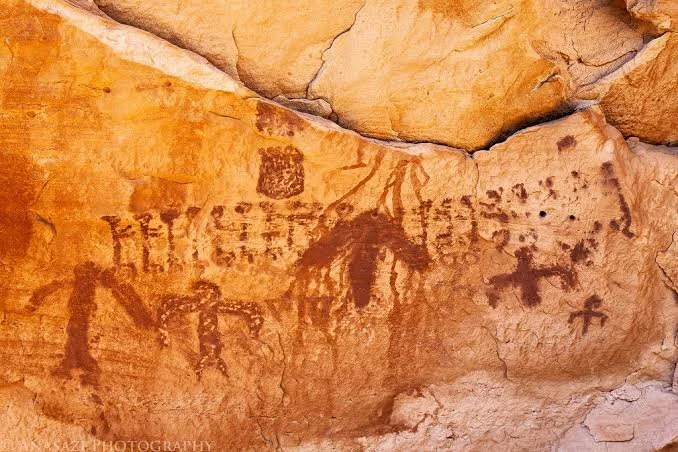
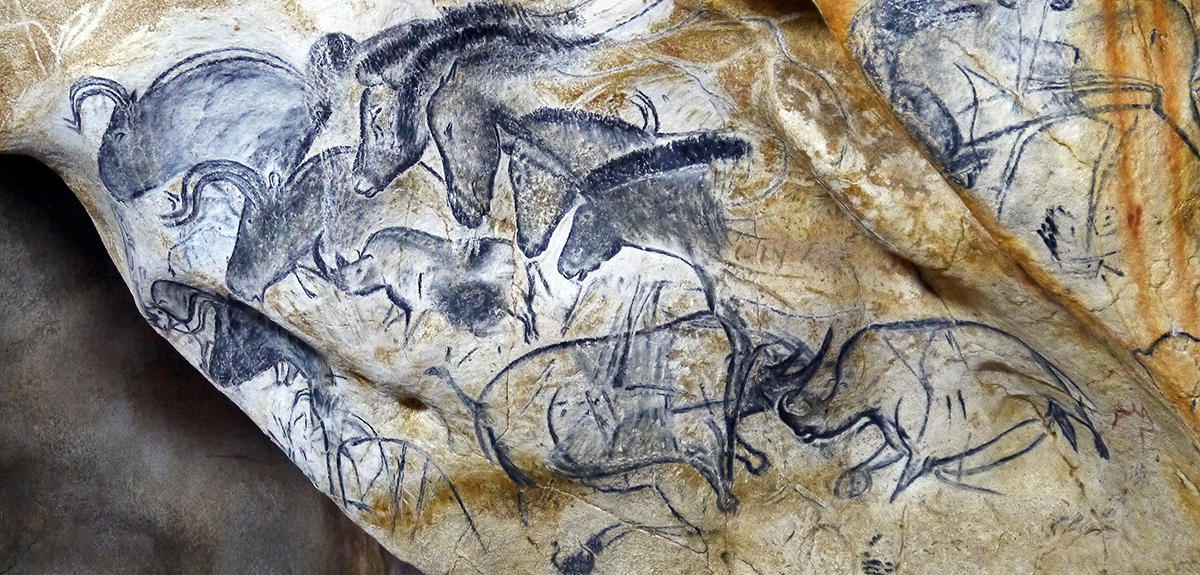
Some of the oldest known cave paintings, found in regions such as France, Spain, and Indonesia, date back over 40,000 years. These images often depict animals like bison, horses, and mammoths, as well as human figures and abstract symbols.
Cave walls were more than canvases—they were sacred spaces. Many paintings are located deep within caves, far from everyday activity. This suggests that creating art was a ritualistic or symbolic act, perhaps connected to hunting, fertility, or spiritual beliefs.
Pigments and Tools
Early humans used natural materials to create pigments. Red and yellow ochre, charcoal, and minerals provided color, while brushes, fingers, and even blowing techniques applied the pigments to surfaces.
The preparation of pigments and the execution of detailed designs demonstrate remarkable knowledge and dexterity. Artisans understood how to mix colors, control texture, and preserve images for longevity.
Motivation Behind Early Art
The reasons for creating art remain debated, but several possibilities exist. Art may have been used to communicate ideas or stories, mark territory, or teach younger generations. It could also have served as a way to connect with the spiritual or natural world.
Some researchers suggest that art was part of cognitive development. The act of creating symbolic representations encouraged abstract thinking, problem-solving, and social cooperation.
Cultural Significance
Art reinforced cultural identity and social cohesion. Shared symbols and imagery could strengthen group bonds and transmit collective knowledge. It also provided a sense of continuity, connecting generations through shared visual language.
The earliest art reflects both practical and spiritual concerns, revealing a society that valued observation, imagination, and symbolic thought.
A Timeless Legacy
The first human artists laid the foundation for millennia of creative expression. From prehistoric caves to modern galleries, the impulse to create has remained central to human life.
Art allows humans to interpret, shape, and communicate their experience—a legacy that begins deep in the story of our species.