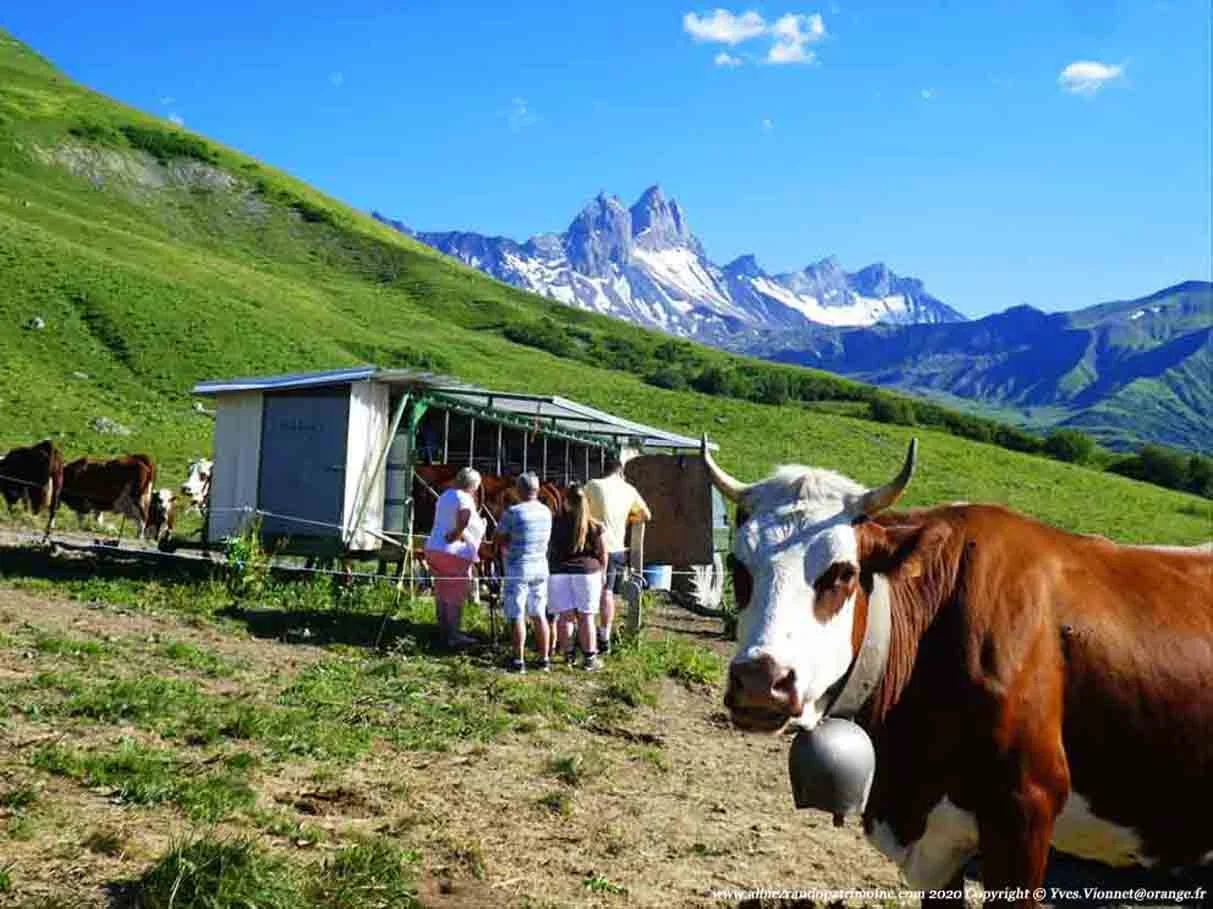
Mountain pastures have supported mobile herding communities for thousands of years. Seasonal movement between valleys, upland meadows, and sheltered winter settlements allowed pastoralists to take advantage of changing vegetation and water availability. Dairy production could be an important part of these systems because milk provided a renewable source of nutrition without requiring animals to be slaughtered. Reconstructing early milking practices in mountainous environments is challenging, however, because many tools used for milking, straining, fermenting, and storing dairy products were made from perishable materials. Archaeologists must therefore combine the study of surviving equipment with chemical residues, animal remains, settlement patterns, and environmental evidence.
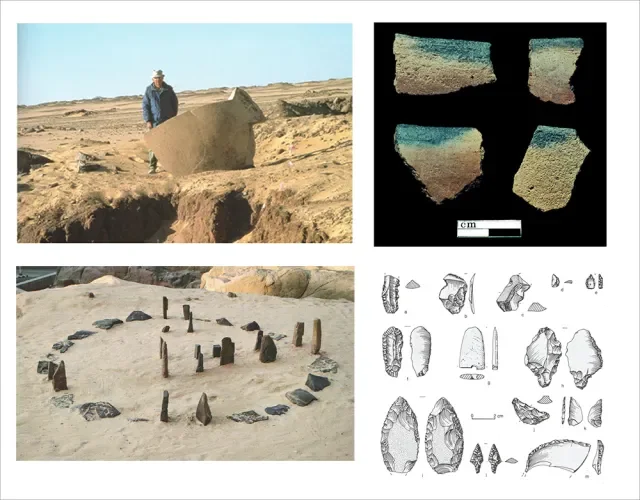
The first challenge is identifying the material culture associated with dairy production. Ceramic vessels may have been used to collect, heat, ferment, or store milk, while strainers and perforated containers could have helped separate curds from whey. Wooden pails, leather bags, woven baskets, and other organic containers may also have been used, although they are less likely to survive in ordinary archaeological conditions. Not every vessel found in a pastoral settlement was intended for dairy processing. Similar containers could have held water, grain, meat, oils, or other substances. Their interpretation depends on the combination of vessel shape, surface treatment, residues, wear patterns, and archaeological context.
Chemical residue analysis has become an important tool for investigating ancient dairy practices. Milk fats can leave characteristic lipid residues in pottery, and the molecular composition of these residues may help distinguish broad categories of animal products. In favorable circumstances, researchers can use combinations of fatty-acid patterns and other molecular markers to investigate whether vessels were used to process milk from ruminants or other animals. These methods have helped expand knowledge of early dairying beyond regions where written records describe pastoral life. However, residue analysis does not always identify a particular animal species or distinguish every stage of dairy processing, and results must be evaluated alongside other evidence.
Animal remains provide another source of information. The age and sex profiles of recovered livestock can sometimes reveal whether herds were managed primarily for meat, milk, wool, traction, or a combination of products. Dairy-oriented herding may involve keeping adult females for longer periods while managing young animals according to the needs of milk production and herd replacement. Yet animal mortality patterns can be influenced by climate, disease, seasonal slaughter, and cultural preferences. Archaeologists therefore avoid interpreting a single age profile as definitive proof of dairying. Evidence from several sites and periods is generally more informative.
Mountain environments create particular demands for mobile dairy production. Herds may need to travel considerable distances between seasonal grazing areas, and milk is a perishable product that can be difficult to transport without processing. Communities could have consumed fresh milk close to the herd, converted it into fermented products, or transformed it into curds, cheese, butter, or other forms of preserved food. These practices would have depended on local animal species, climate, available containers, and established food traditions. Fermentation and other forms of processing could extend the useful life of dairy products, although the exact techniques used in early mountain communities may remain archaeologically difficult to identify.
Portable equipment would have been particularly valuable in seasonal pastoral systems. Lightweight containers and tools could be carried between camps, while more durable or bulky installations might remain at repeatedly used locations. Archaeologists can investigate this distinction by comparing the kinds of artifacts found at temporary camps with those recovered from permanent settlements. A mountain campsite with few heavy vessels may still have supported dairy production if much of the equipment was made from wood, hide, or woven materials. The absence of ceramic equipment should therefore not automatically be interpreted as evidence that milk was not processed there.
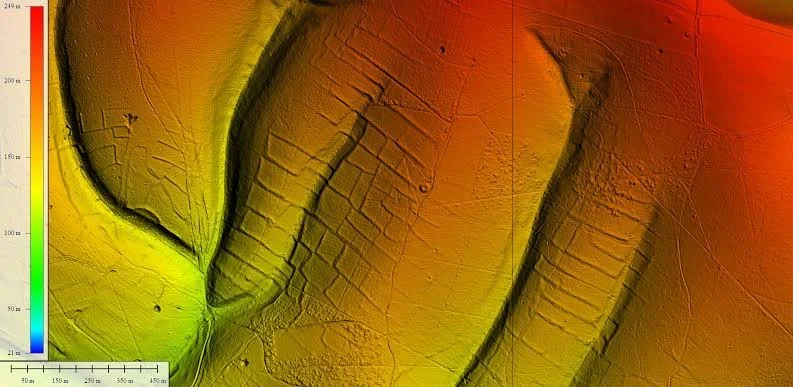
The seasonal organization of mountain herding can be reconstructed through environmental and settlement evidence. Pollen records may reveal changes in vegetation associated with grazing, while animal remains and plant macrofossils can help establish the resources available to a community. The locations of corrals, shelters, storage facilities, and water sources may indicate where herders stayed during different periods of the year. In some regions, archaeological sites at different elevations may represent stages of a seasonal movement cycle. However, researchers must distinguish pastoral activity from other land uses, including hunting, forestry, agriculture, and temporary travel.
Dairy production also involved social organization and the transmission of practical knowledge. Milking required familiarity with animal behavior, herd management, hygiene, and the timing of seasonal reproduction. Processing milk into storable foods involved additional skills that could be passed between generations through observation and repeated practice. The archaeological record rarely identifies who performed particular tasks, and it would be inappropriate to assume that the division of dairy labor was identical across all societies. Household organization, gender roles, age, status, and local custom could all have influenced who managed animals and processed their products.
The spread of dairying into new environments raises questions about adaptation and cultural exchange. Evidence of milk processing in a mountain region may reflect the movement of herding populations, the adoption of livestock management by established communities, or contact between groups with different food traditions. Genetic evidence from ancient livestock and humans, when available, can contribute to these discussions, but it does not independently establish how a particular community organized dairy production. Archaeological residues, animal husbandry patterns, and settlement evidence remain essential for understanding the actual practices of daily life.
Early milking paraphernalia in mountain pastures reveals how communities adapted food production to demanding and mobile environments. By combining vessel analysis, lipid chemistry, animal bone studies, and landscape reconstruction, archaeologists can investigate the relationship between livestock, seasonal movement, and dairy processing. The evidence can show how milk became part of a flexible subsistence system in which food had to be produced, consumed, or preserved across changing elevations and seasons. Even where the equipment itself has disappeared, residues and settlement patterns can preserve important clues about the organization of pastoral life.