Introduction
Elden Pueblo, located near Flagstaff, Arizona, was a major settlement associated with the Northern Sinagua tradition.
Its location near important travel routes and ecological zones made it particularly significant for regional exchange.
The site provides evidence for agriculture, craft production, trade, architecture, and social organization.
Location
Elden Pueblo lies near the San Francisco Peaks.
This landscape provided access to different ecological zones.
High-elevation forests supplied wood, game, and wild plants.
Lower elevations provided agricultural opportunities.
Such ecological diversity was economically valuable.
Architecture
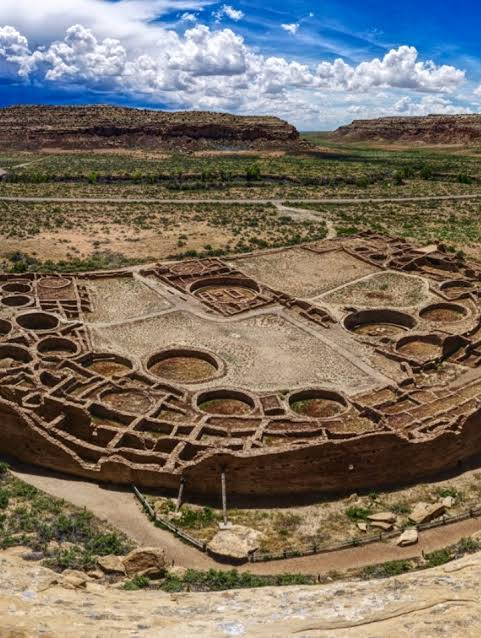
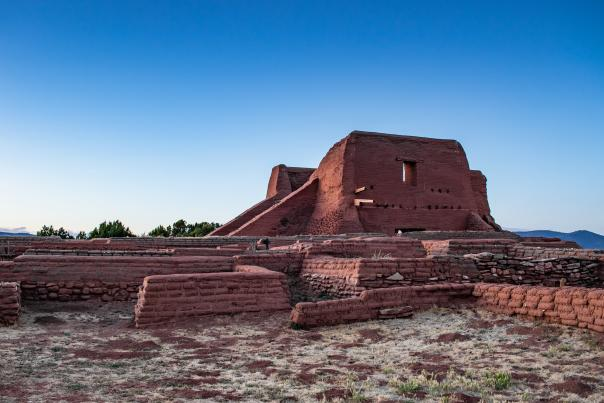
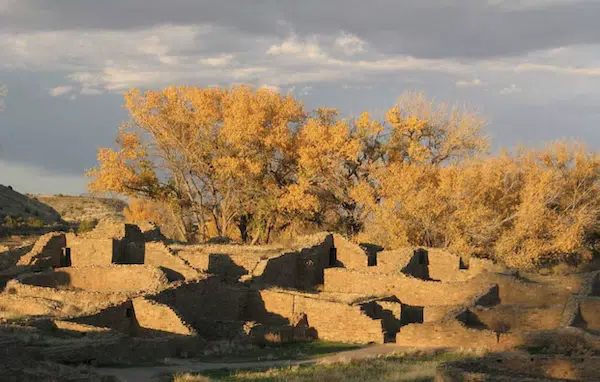
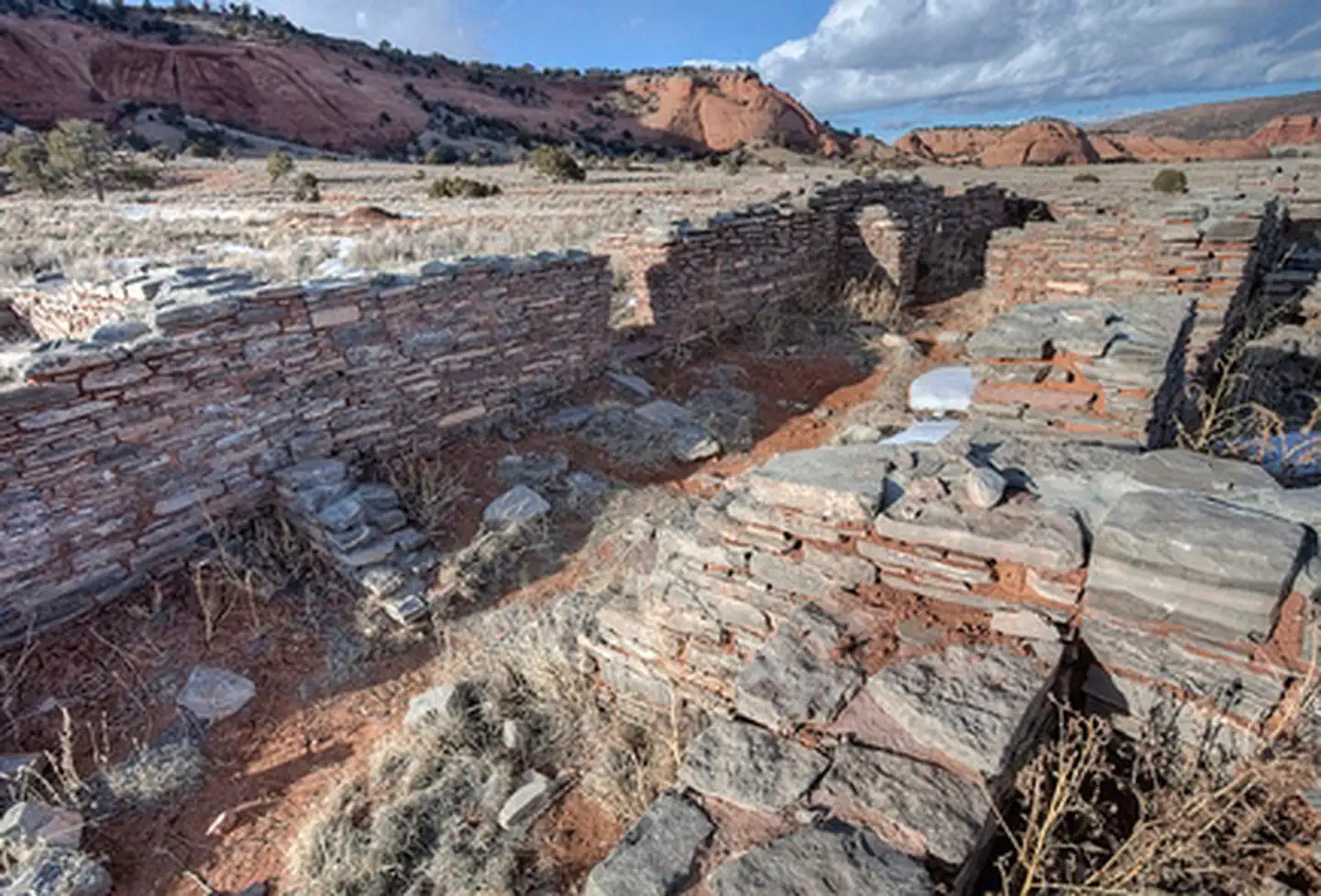
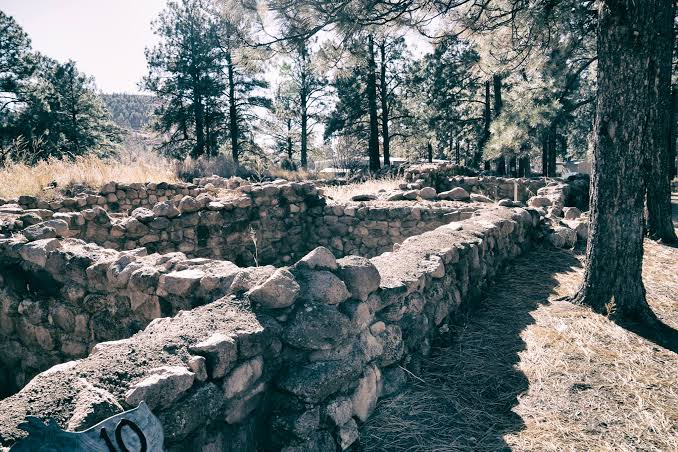
The settlement contained masonry structures arranged into residential and communal spaces.
Construction required substantial quantities of stone, timber, and mortar.
The architecture demonstrates long-term investment in the settlement.
Agriculture
The inhabitants cultivated maize and other crops.
Farming was supplemented by hunting and gathering.
Because rainfall in northern Arizona can be highly variable, agricultural success required careful timing and landscape knowledge.
Trade
Elden Pueblo is particularly important because of evidence for regional interaction.
Objects found at the site demonstrate that residents participated in exchange networks extending beyond the immediate area.
Trade may have involved food, tools, pottery, stone, shell, and other materials.
Craft Production
Pottery was an important craft.
Ceramic vessels served cooking, storage, transport, and ceremonial functions.
Pottery styles can also help archaeologists reconstruct patterns of interaction between communities.
Social Organization
The size of Elden Pueblo indicates a community capable of organizing collective construction.
Shared spaces would have supported social interaction.
Ceremonial structures and communal areas could reinforce group identity.
Conclusion
Elden Pueblo demonstrates how Sinagua communities combined farming, trade, craft production, and architecture.
Its location near diverse ecological zones allowed residents to exploit multiple resources.
The site is therefore valuable for understanding not only local life but also the larger network of communities that connected northern Arizona.