Introduction
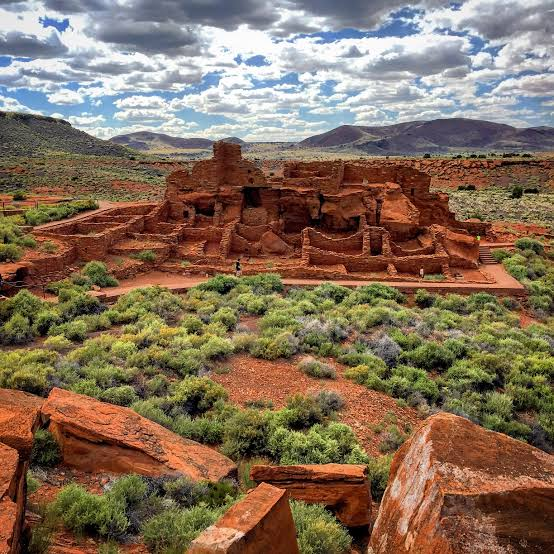
Wupatki Pueblo occupies a remarkable position within the high desert of northern Arizona.
Surrounded by volcanic landscapes, the settlement became an important regional center during the centuries following the eruption of Sunset Crater.
Its architecture, agricultural adaptation, trade connections, and dramatic environmental setting make it one of the most significant archaeological landscapes in northern Arizona.
The Volcanic Landscape
The region around Wupatki was transformed by volcanic activity.
The eruption of Sunset Crater deposited volcanic material across the landscape.
Volcanic ash could alter soil conditions and, under some circumstances, improve moisture retention.
This created new agricultural possibilities.
Population Growth
Following the volcanic eruption, populations increased in the surrounding region.
Wupatki developed into a major settlement.
Its masonry structures demonstrate that the community became large and socially complex.
Architecture
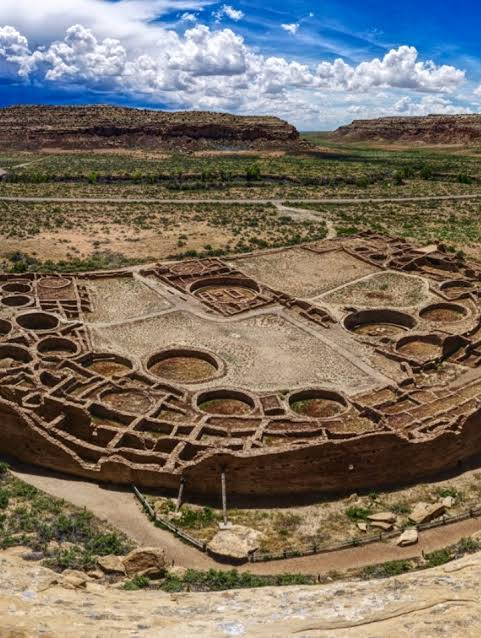
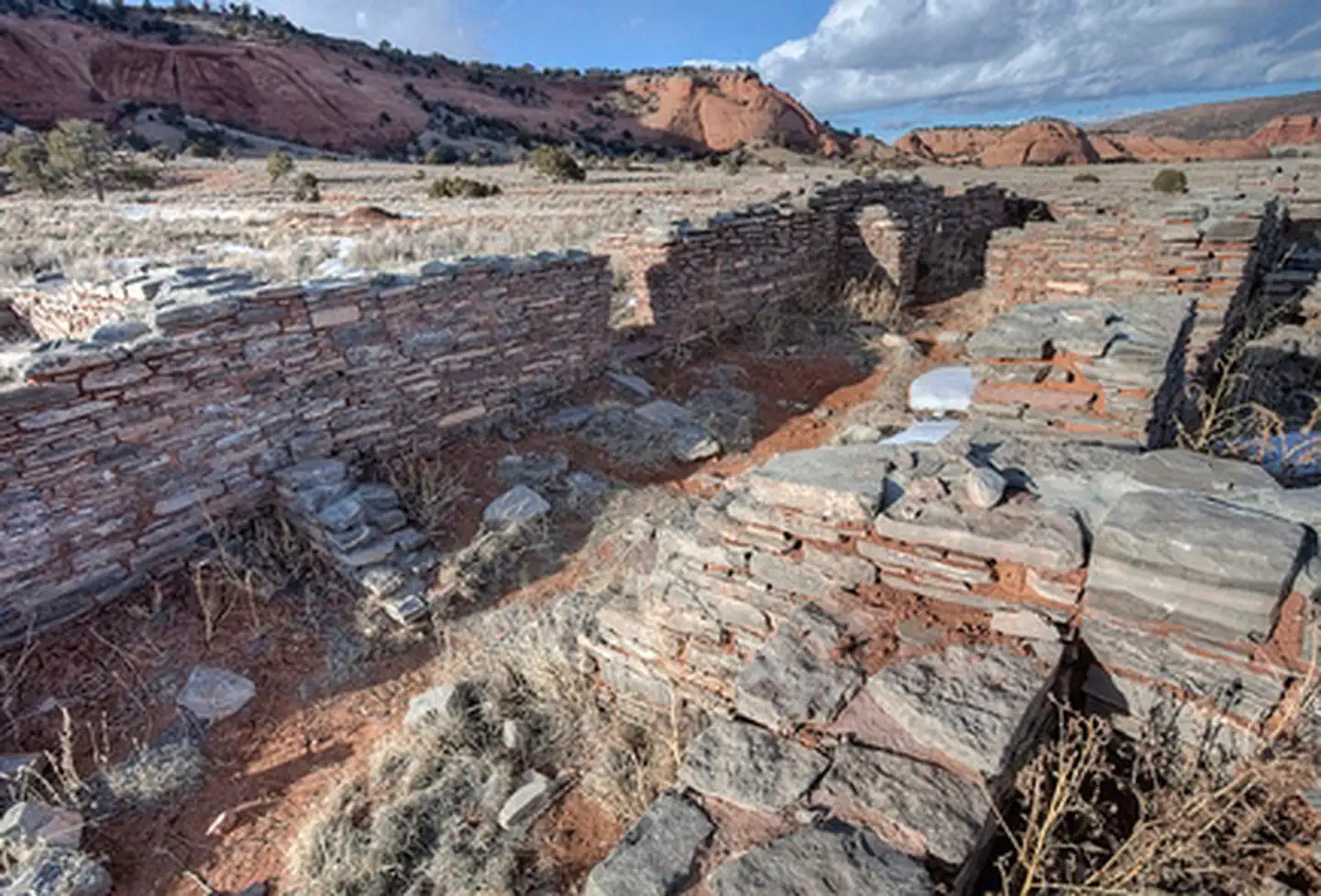
Wupatki Pueblo contained numerous rooms constructed from local stone.
The buildings included residential areas, storage rooms, communal spaces, and other facilities.
The architecture demonstrates careful adaptation to the high-desert environment.
Trade
Wupatki became an important center for exchange.
Its location placed it between different ecological regions.
Communities from the Colorado Plateau, Little Colorado River Valley, and surrounding areas could interact here.
Archaeological evidence suggests the movement of pottery and other materials.
Climate and Agriculture
The environment was difficult.
Rainfall was unpredictable.
Farmers had to exploit seasonal precipitation efficiently.
The volcanic landscape could improve some agricultural conditions by allowing water to collect in soil.
But successful farming still required extensive environmental knowledge.
Archaeological Research
Wupatki attracted archaeological attention during the early twentieth century.
Jesse Walter Fewkes was among the researchers who documented the site.
Dendrochronology later became especially valuable because wooden beams preserved in the ruins could provide calendar dates.
The development of tree-ring dating transformed Southwestern archaeology by allowing researchers to establish much more precise chronologies.
Cultural Interaction
Wupatki should not be understood as belonging exclusively to one isolated cultural group.
Its location encouraged interaction among populations from several regions.
Architecture and pottery reveal these relationships.
Conclusion
Wupatki represents a remarkable example of human adaptation to volcanic desert landscapes.
Its growth demonstrates how environmental change could create new opportunities.
The site reveals a community that responded to climate, geology, agriculture, and regional trade through architectural and social innovation.