800+ Ancient Structures Discovered in Northern France
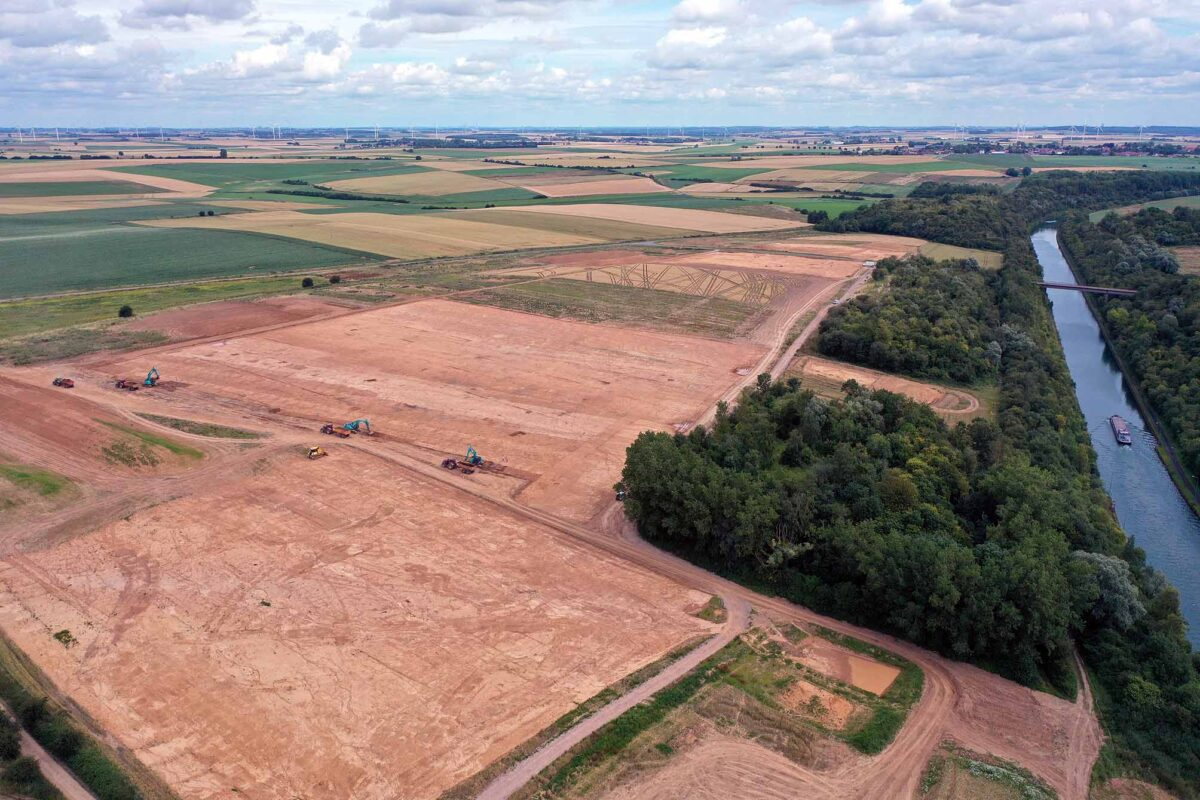
Archaeologists have uncovered more than 800 structures at a major excavation site in Ruyaulcourt, revealing an exceptionally detailed picture of rural life over nearly a thousand years.
The excavation, led by Inrap, was carried out as part of the Canal Seine-Nord Europe project. Spanning 13.2 hectares, the site provides valuable insight into how communities evolved from the Iron Age through the Late Roman period.
A Landscape Shaped by Geography
The site sits on a natural ارتفاع bordered by two dry valleys—one now occupied by the Canal du Nord and the other by a modern road. This strategic location made it an attractive place for settlement over many centuries.
Archaeologists identified two main zones of occupation: one in the northeast and another in the southwest. Each area contains multiple enclosures that changed and expanded over time, reflecting long-term use and adaptation.
Early Farming Communities Take Shape
While traces of human activity date back to the Late Bronze Age, more organized settlements appear during the La Tène period (around 400–30 BCE).
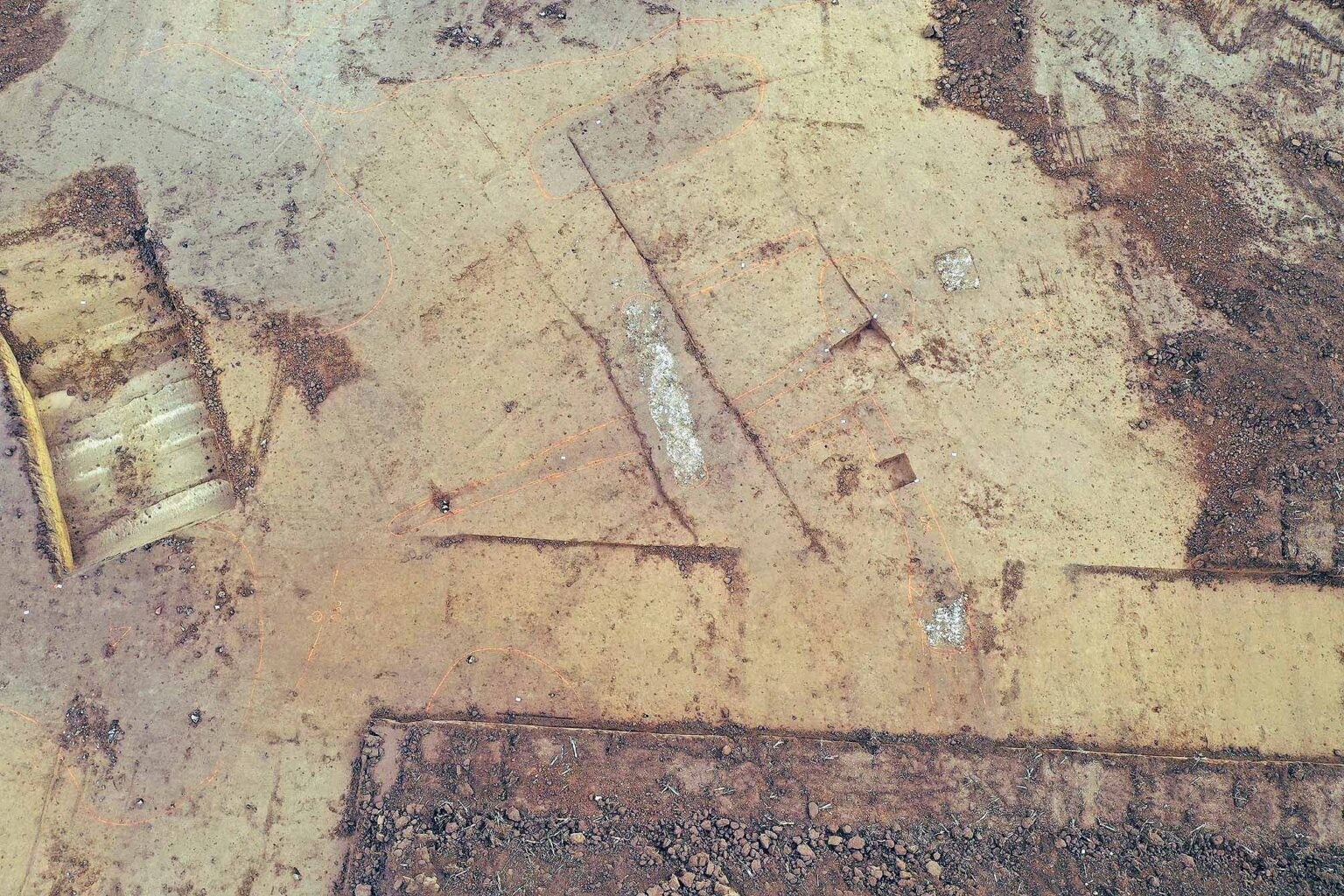
During this time, farming communities began structuring their land using enclosed areas marked by ditches. These enclosures evolved over time:
Earlier layouts were curved and irregular
Later designs became more rectangular and orderly
This shift suggests changes in agricultural practices and possibly social organization, as communities developed more structured ways of managing land.
A Long-Lasting Rural Hub
The sheer number of features—over 800—highlights the site’s importance as a long-term rural center. Evidence points to a mix of farming, settlement, and economic activity that continued into the Roman era.
Among the discoveries are signs of metallurgical work, indicating that residents were not only farmers but also engaged in production and craft activities.
A Glimpse Into Ancient Lives
One of the most touching finds is a child’s tomb dating to the 1st century AD, which included a small figurine. This discovery offers a rare and emotional insight into burial practices and the personal lives of people who lived at the site.
Understanding a Changing World
The Ruyaulcourt excavation provides a unique opportunity to study how rural communities adapted over time—from Iron Age farming societies to more complex settlements under Roman influence.
Through its well-preserved structures and diverse findings, the site helps archaeologists better understand how land use, social organization, and daily life evolved across centuries in ancient Europe.
Everyday Life Preserved Beneath the Soil
At the excavation site in Ruyaulcourt, archaeologists uncovered silos that were later reused as refuse pits—unexpectedly preserving traces of daily life. These pits contained ceramic fragments, animal bones, and tools linked to household and craft activities.
Among the discoveries were loom weights and spindle whorls, clear evidence of textile production, alongside small metal tools likely used for leatherworking. Although most residential structures have been lost due to erosion, the findings strongly suggest that the settlement was made up of small, self-sufficient farming units.
Roman Influence Brings Change
By the early 1st century CE, the settlement underwent major transformation under Roman influence. In the southwestern area, older enclosures were replaced with more organized, rectangular layouts, reflecting a shift toward a more structured rural landscape.
This reorganization also coincided with increased population density, suggesting improved productivity and planning. While few buildings survived, key features point to permanent habitation. Archaeologists identified a cellar with reinforced walls and a nearby well, likely part of a residential complex.
Inside, they found coins and a decorative fitting depicting a Gorgon—a figure from Gorgon—highlighting both economic activity and cultural integration into the Roman world.
Nearby pits contained fragments of sandstone millstones, including one likely powered by animals, indicating advancements in agricultural processing. Additional finds, such as a wheel hub and metal fittings, point to transport systems and local trade connections.
Burial Practices and Social Clues
One of the most revealing aspects of the site is its funerary evidence. Several burial areas dating to the 1st century CE were discovered, offering insight into beliefs and social structures.
In the northeastern sector, eight cremation burials were found aligned along an ancient pathway. The remains were placed in wooden containers and often accompanied by grave goods.
A particularly moving discovery was the grave of a child under two years old. Inside, archaeologists found a terracotta figurine of a couple embracing—widely interpreted as representing the child’s parents. The figurine may have symbolized protection or companionship in the afterlife. Miniature ceramic vessels were also included, suggesting carefully observed burial rituals.
Nearby, another burial group showed a different arrangement, with graves clustered in small groups—possibly reflecting family units. The variation in grave goods was striking: some burials contained numerous items, while others had very few, hinting at social or symbolic differences.
In the southwestern sector, burials were more scattered but still deliberately placed, often at the corners of enclosures. These included cremation urns and pits containing ash and charcoal. Some graves featured symbolic items, such as miniature hearth tools, emphasizing the importance of domestic life even in death rituals.
Evidence of Metalworking
The site also reveals significant metallurgical activity during the 2nd and 3rd centuries CE. Large amounts of slag—waste from metal production—were found in pits and ditches, indicating long-term forging operations.
Although the workshop itself has not yet been located, the volume of waste suggests sustained production that likely supported the local economy. Interestingly, early analysis indicates the use of mineral coal as fuel, which was relatively uncommon at the time. This may reflect deliberate resource management or limited access to wood.
Decline but Continued Connections
By the 4th century CE, the settlement began to decline, with fewer structures and reduced activity. However, it was not completely abandoned.
Artifacts from this later period include coins, brooches, and tools, as well as unusual items such as a spearhead and a wool comb. These objects may have originated from northern Europe, including regions like Germany or Denmark, suggesting that the site remained connected to long-distance trade networks.
A Window Into Rural Life in Ancient Gaul
The discoveries at Ruyaulcourt offer a rare and detailed look at how rural communities evolved over centuries—from Iron Age farming systems to Roman integration and eventual decline.
At the same time, many questions remain. Why were different burial practices used side by side? Did they reflect separate communities or changing traditions? And how did this settlement fit into broader economic networks?
As research continues, Ruyaulcourt is becoming a key site for understanding the complexity, resilience, and adaptability of rural life in ancient Europe.