• MAIN PAGE
  • LATEST NEWS
    • Lost Cities
    • Archaeology's Greatest Finds
    • Underwater Discoveries
    • Greatest Inventions
    • Studies
    • Blog
  • PHILOSOPHY
  • HISTORY
  • RELIGIONS
    • Africa
    • Anatolia
    • Arabian Peninsula
    • Balkan Region
    • China - East Asia
    • Europe
    • Eurasian Steppe
    • Levant
    • Mesopotamia
    • Oceania - SE Asia
    • Pre-Columbian Civilizations of America
    • Iranian Plateau - Central Asia
    • Indus Valley - South Asia
    • Japan
    • The Archaeologist Editor Group
    • Scientific Studies
    • Aegean Prehistory
    • Historical Period
    • Byzantine Middle Ages
    • Predynastic Period
    • Dynastic Period
    • Greco-Roman Egypt
  • Rome
  • PALEONTOLOGY
  • About us
Menu

The Archaeologist

  • MAIN PAGE
  • LATEST NEWS
  • DISCOVERIES
    • Lost Cities
    • Archaeology's Greatest Finds
    • Underwater Discoveries
    • Greatest Inventions
    • Studies
    • Blog
  • PHILOSOPHY
  • HISTORY
  • RELIGIONS
  • World Civilizations
    • Africa
    • Anatolia
    • Arabian Peninsula
    • Balkan Region
    • China - East Asia
    • Europe
    • Eurasian Steppe
    • Levant
    • Mesopotamia
    • Oceania - SE Asia
    • Pre-Columbian Civilizations of America
    • Iranian Plateau - Central Asia
    • Indus Valley - South Asia
    • Japan
    • The Archaeologist Editor Group
    • Scientific Studies
  • GREECE
    • Aegean Prehistory
    • Historical Period
    • Byzantine Middle Ages
  • Egypt
    • Predynastic Period
    • Dynastic Period
    • Greco-Roman Egypt
  • Rome
  • PALEONTOLOGY
  • About us

Newly found letter reveals joy at ‘Tutankhamun curse’ creator’s death

March 26, 2026

Howard Carter’s Letter Challenges the “Tutankhamun Curse”

A sharply worded letter written by Howard Carter has resurfaced more than 90 years after it was penned, offering a candid glimpse into his views on the so-called “Tutankhamun Curse.” In the letter, Carter openly dismissed the idea as baseless and even welcomed the death of the man he believed popularized it.

The Discovery That Sparked a Legend

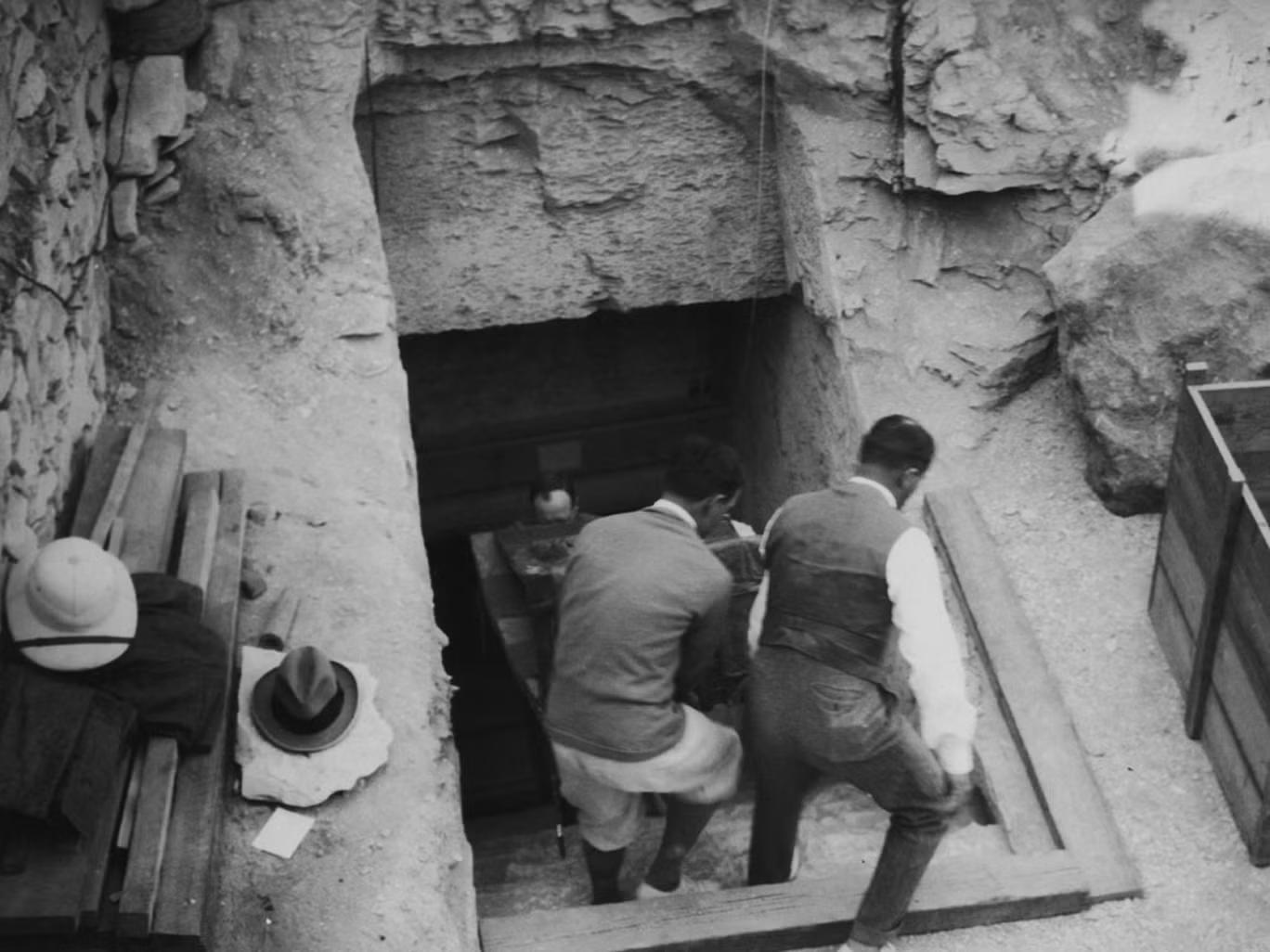
Carter is best known for discovering the tomb of Tutankhamun in 1922 in the Valley of the Kings. The discovery captured global attention and quickly became surrounded by rumors of a mysterious curse said to affect those who disturbed the young pharaoh’s resting place.

A Curse Born from Tragedy

The legend gained traction after the sudden death of Lord Carnarvon, Carter’s financial backer, who died shortly after entering the tomb. His death—caused by complications from a mosquito bite—was widely publicized and became a key moment in fueling the curse narrative.

The idea was strongly promoted by Arthur Weigall, who suggested that disturbing the tomb would bring misfortune, illness, or death. His claims captured public imagination and spread rapidly through the media.

Carter’s Strong Rejection

In a letter dated January 1934, addressed to Helen Lonides, Carter made his stance unmistakably clear. He described the curse as having “no basis” and criticized it as harmful to archaeology.

Carter also expressed harsh personal views about Weigall, calling his ideas misleading and accusing him of creating sensational stories for attention. He even referred to Weigall’s death as a “real blessing,” reflecting the deep frustration he felt toward the spread of the curse theory.

Media Rivalry and Sensationalism

The controversy surrounding the curse was intensified by fierce competition among journalists. The Times had secured exclusive rights to report on the discovery, which created tension with other reporters, including Weigall, who covered the story for rival publications.

This rivalry contributed to the spread of dramatic and sometimes exaggerated narratives, helping the curse story gain global attention.

Separating Myth from Reality

Carter consistently rejected supernatural explanations, emphasizing that the idea of a curse was nothing more than a fabrication. He believed such claims distracted from the real scientific and historical importance of the discovery.

A Lasting Legacy

Although Howard Carter passed away in 1939, the legend of the “Tutankhamun Curse” continues to capture public imagination.

This newly surfaced letter, however, offers a powerful reminder that one of the most important figures behind the discovery firmly opposed the myth—viewing it not as mystery, but as misinformation that overshadowed genuine archaeological achievement.
← Only Known Iberian Wolf Ceramic Unearthed in Cunit Archaeological SiteFrom Iron Age to Roman Empire: A Child’s Tomb, a Kissing Figurine, and 800 Ancient Remains →
Featured
image_2026-03-25_234416403.png
Mar 26, 2026
Mysterious 'ruins' off Louisiana coast spark theories of 12,000-year-old lost city
Mar 26, 2026
Read More →
Mar 26, 2026
image_2026-03-25_234055357.png
Mar 26, 2026
Book dubbed 'the work of angels' may have been made in the Highlands
Mar 26, 2026
Read More →
Mar 26, 2026
image_2026-03-25_233932104.png
Mar 26, 2026
Ancient Maya “nested constructions” may have served as marketplaces
Mar 26, 2026
Read More →
Mar 26, 2026
image_2026-03-25_233716694.png
Mar 26, 2026
Archaeologists document 34 previously known sites in Cajamarca
Mar 26, 2026
Read More →
Mar 26, 2026
image_2026-03-25_232154259.png
Mar 26, 2026
Only Known Iberian Wolf Ceramic Unearthed in Cunit Archaeological Site
Mar 26, 2026
Read More →
Mar 26, 2026
image_2026-03-25_232026442.png
Mar 26, 2026
Newly found letter reveals joy at ‘Tutankhamun curse’ creator’s death
Mar 26, 2026
Read More →
Mar 26, 2026
read more

Powered by The archaeologist