Introduction
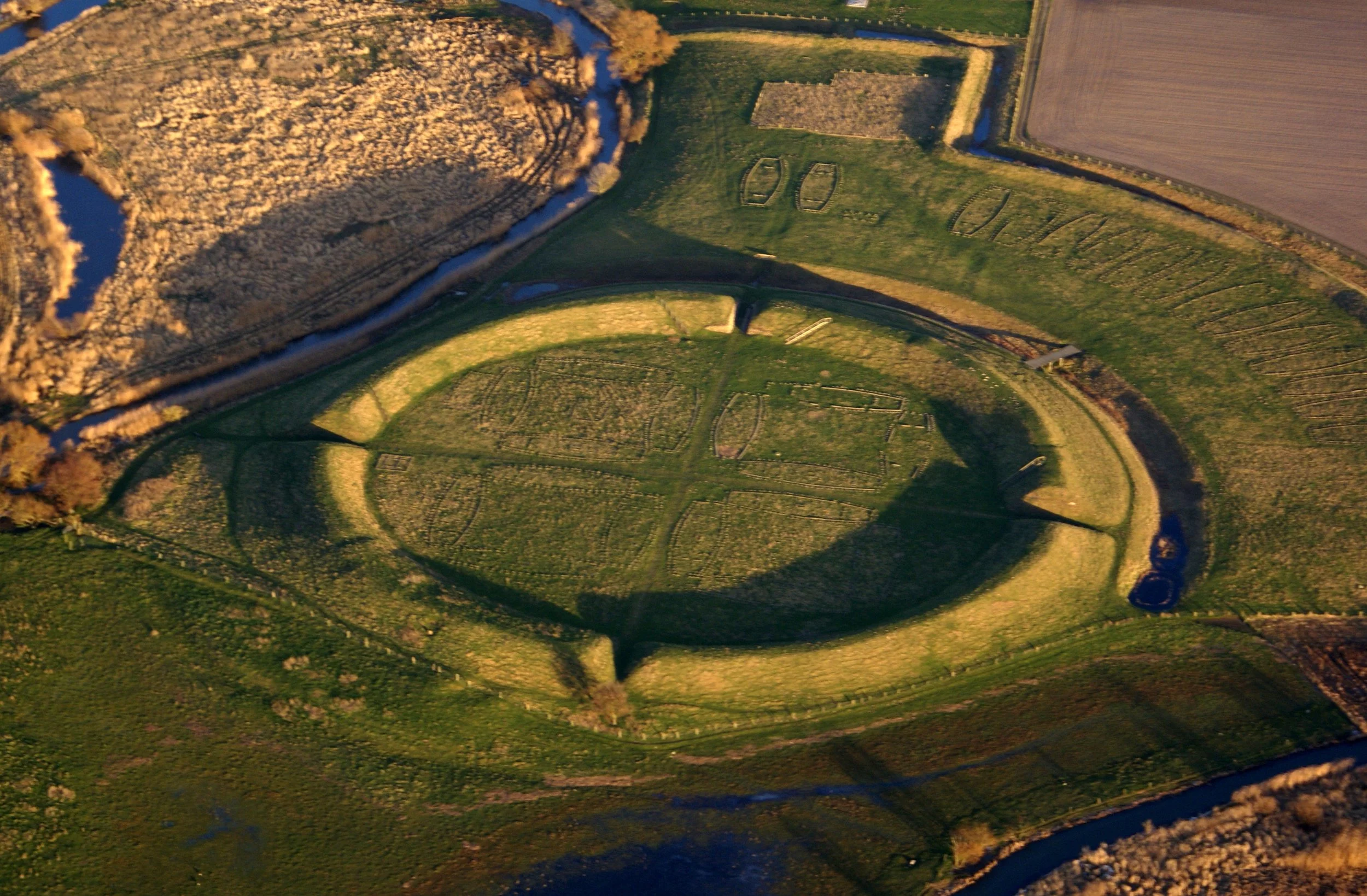
Fyrkat is one of the remarkable circular fortresses constructed in Denmark during the reign of King Harald Bluetooth in the late tenth century.
Its highly organized geometry distinguishes it from ordinary fortified settlements.
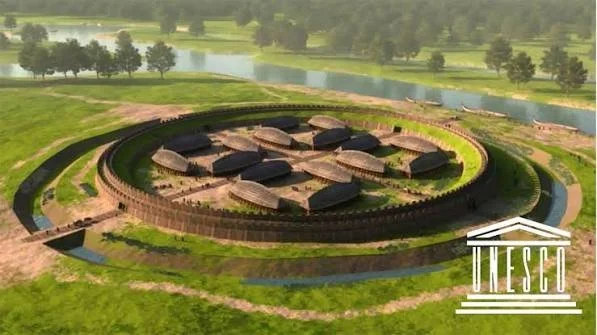
The fortress consisted of a circular defensive enclosure divided into carefully planned sections, with houses arranged according to a remarkably regular design.
Fyrkat provides important evidence for the organizational capabilities of Viking Age royal power.
The Ring Fortress Design
Fyrkat's most distinctive feature is its circular plan.
The fortress was surrounded by an earthwork rampart and defensive ditch.
Inside, buildings were organized according to a symmetrical layout.
This level of planning required surveying, engineering, labor coordination, and centralized authority.
Royal Construction
The construction of Fyrkat was probably beyond the capacity of a small local community acting independently.
Large quantities of earth and timber had to be moved.
Workers needed food, tools, supervision, and logistical support.
The fortress therefore represents the ability of the Danish monarchy to mobilize substantial resources.
The Longhouses
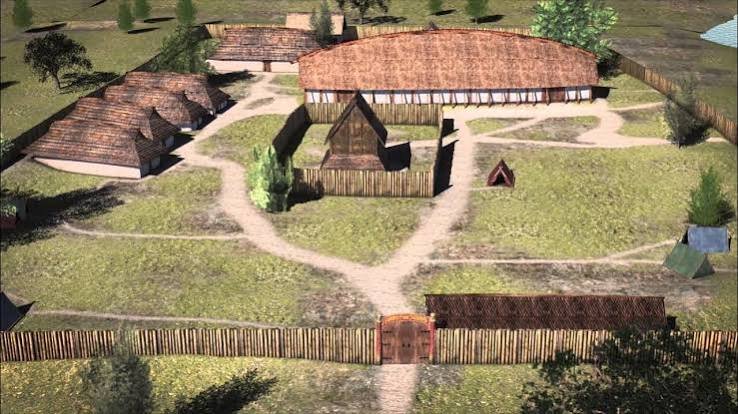
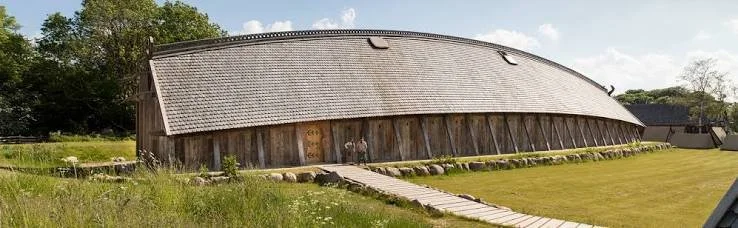
Inside Fyrkat stood large timber longhouses.
Their standardized form suggests that the buildings were constructed according to a planned architectural design.
Such standardization is important evidence for centralized planning.
The fortress was not a randomly developed village.
Military Function
Fyrkat's defensive character suggests a military purpose.
The fort could accommodate warriors and provide a strategic position from which the surrounding region could be controlled.
However, historians continue to debate exactly how these fortresses functioned.
They may have served military, administrative, political, and logistical purposes simultaneously.
Harald Bluetooth
Fyrkat belongs to a group of circular fortresses associated with Harald Bluetooth.
These include Aggersborg, Trelleborg, and other fortifications.
Their construction occurred during a period when Denmark was becoming more politically centralized.
The fortresses therefore form part of a broader transformation in royal authority.
Archaeological Finds
Excavations at Fyrkat have produced weapons, tools, jewelry, household objects, and other artifacts.
These finds provide evidence about the people who occupied the fortress.
Burials near the site also contribute information about the community.
The Fyrkat Woman
One particularly interesting burial is associated with a richly equipped woman.
Her grave contained objects that have sometimes been interpreted in connection with magic or ritual practices.
Such finds demonstrate the complexity of Viking Age belief and identity.
Fortification Technology
The fortress demonstrates sophisticated defensive engineering.
Earth ramparts provided elevated defensive positions.
Timber structures could reinforce entrances and walls.
Ditches made direct assault more difficult.
The circular layout allowed defenders to monitor the surrounding area.
Political Symbolism
Fyrkat was not only a military structure.
Its geometric precision would itself have communicated royal authority.
The ability to impose such a design upon the landscape demonstrated power.
The fortress essentially announced that the king possessed the organizational capacity to control people, resources, and territory.
Conclusion
Fyrkat represents one of the clearest archaeological expressions of centralized Viking Age kingship.
Its circular architecture, standardized longhouses, defensive earthworks, and archaeological remains reveal an unusually organized settlement.
The fortress illustrates the growing ability of Danish rulers to mobilize large populations and construct monumental infrastructure.
Fyrkat therefore stands as both a military installation and a symbol of political transformation during the late Viking Age.