The glass walkway is designed to support exceptionally heavy loads, reportedly able to bear the weight of a rare breed of rhinoceros, ensuring visitor safety while showcasing the mosaic.
The Roman mosaic, discovered in 2022 at Red Lion Yard, had been planned for public display, but the project was delayed for several years. In October, plans for the installation were submitted by Colchester and Ipswich Museums director Frank Hargrave and received approval this month.
Once completed, the 150-square-metre exhibit near Unit 12 will feature lighting and a glazed pavement, allowing visitors to walk over and view the mosaic safely while preserving the ancient artwork beneath.

History - the Roman Mosaic
Planning documents provide further specifics on the glass walkway installation and its load-bearing capacity.
The documents state that the glazed panels are designed to withstand a 500 kg load, ensuring that people using mobility scooters or powered wheelchairs can safely traverse the glass pavement. The panels will be slip-resistant, with a Pendulum Test Value (PTV) of 36 or higher. The walkway’s structure will include steel flanges bolted together, topped by a cast concrete slab with a minimum 50 mm high, 150 mm wide upstand to support the heavy glazed panels.
Martin Leatherdale, boss of Red Lion Shopping Centre, noted that the installation may actually support up to 1,000 kg. For context, 500 kg is roughly the weight of a Sumatran rhinoceros, an endangered species weighing between 500 kg and 960 kg, according to the conservation charity Save The Rhino.
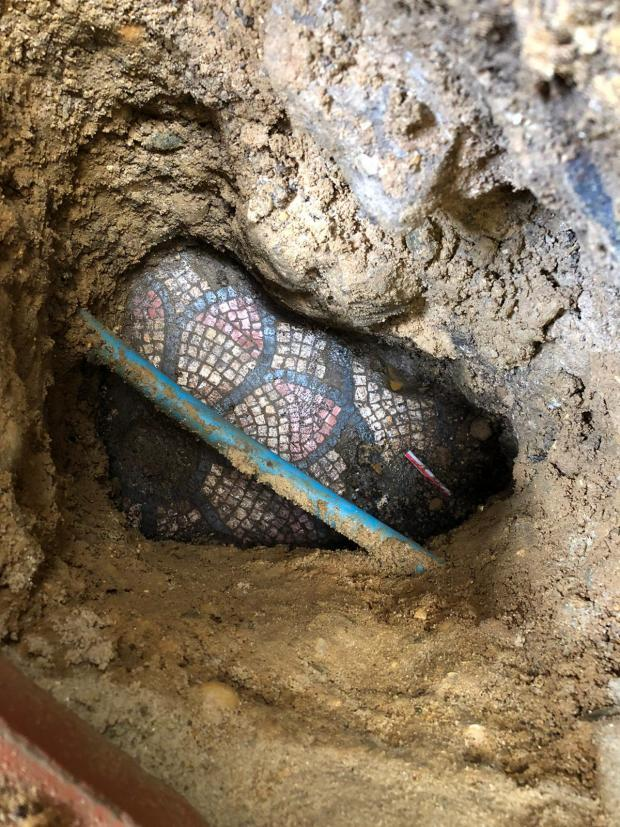
Beautiful - the Roman mosaic
The installation will also feature an LED lighting and ventilation system designed by Johns Slater and Haward Chartered Building Services Consultants.
The LED lights will be positioned around the perimeter of the mosaic’s enclosure, angled to illuminate the mosaic’s surface effectively. Power will be drawn from the Landlord’s supply at Red Lion Yard.
The ventilation system is intended to promote air movement over the mosaic, helping to manage moisture levels. According to the planning documents, this is necessary because ground moisture and salts are likely to affect the mosaic if left unchecked.
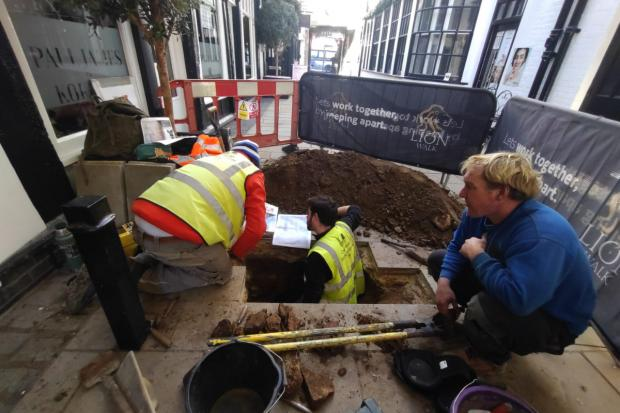
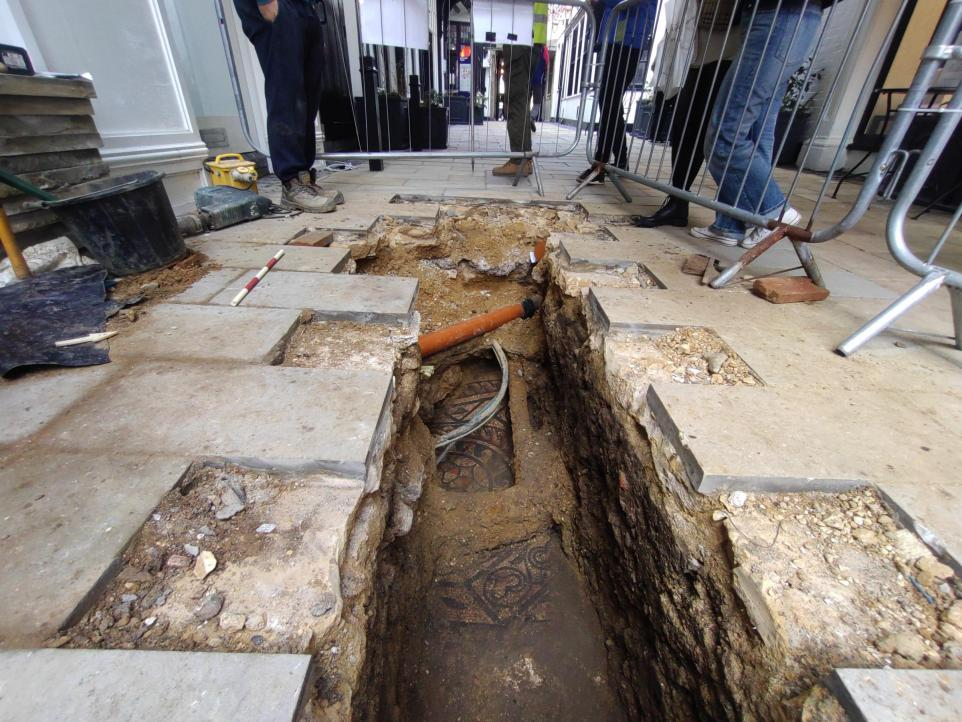
2022 - The dig site
The planning documents note that without proper airflow, the enclosure could reach high levels of relative humidity, eventually causing condensation on both the mosaic and the enclosure structure. This environment could promote microbiological growth, which would damage the mosaic over time.
To address this, the documents recommend ventilation to reduce humidity. While this may increase moisture evaporation through the mosaic, potentially causing additional salt activity and deterioration of the tesserae, routine conservation and periodic inspections are expected to manage these effects.
A Colchester Council spokesperson stated that the project is expected to be completed in the second half of 2026, with work required to begin within three years before planning permission expires.