Mesolithic Burials in Southern Sweden Reveal Complex Clothing and Headdresses
Soil analysis from 35 graves at the Skateholm I and II cemeteries has offered unprecedented insight into how people of the Mesolithic period (c. 10,000–5,000 BCE) dressed and adorned themselves in burial rituals. Researchers from the University of Helsinki employed a water-assisted fiber separation technique to extract microscopic fibers, hairs, and feather fragments, even from soils where preservation was otherwise poor.
According to archaeologist Tuija Kirkinen, this method allows scientists to recover delicate traces of textiles, furs, and feathers that would otherwise be invisible, revealing rich details about the material culture of Mesolithic societies.
Evidence of Animal-Based Clothing
The analysis demonstrates that the deceased were interred wearing garments and accessories crafted from a variety of animal skins. Specifically, the team found:
Furs from small carnivores such as felines and members of the weasel family
Skins of aquatic birds, suggesting waterproof or ornamental clothing
Traces of larger animals, including deer and aurochs, indicating the use of durable hides for clothing or blankets
These findings highlight a sophisticated understanding of local fauna, as Mesolithic people selected furs and skins for both functional and decorative purposes. The presence of different animal materials suggests a combination of practicality, status display, and possibly ritual symbolism in burial practices.
Headdresses and Decorative Adornments
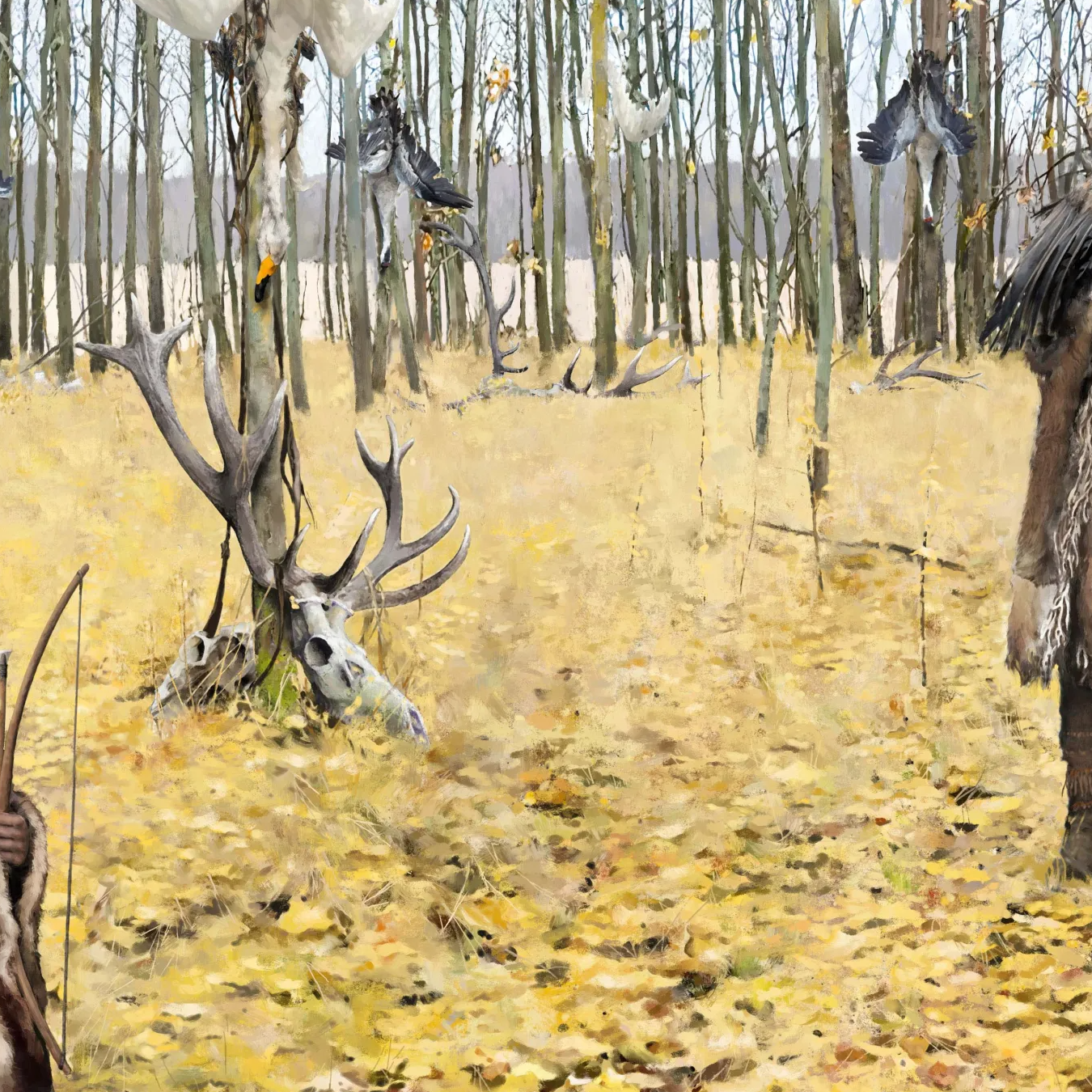
Soil taken from around the heads of the deceased contained feathers from hawks, eagles, and owls, alongside fur from small animals. This indicates that many individuals wore elaborate headdresses during burial. The combination of bird feathers and small animal furs may have held symbolic or ceremonial significance, potentially reflecting spiritual beliefs or social identity.
A particularly striking example comes from the burial of an elderly woman. Her grave contained:
White winter fur from a stoat or weasel
Brown feline hair
Feather fragments located at her feet
These elements suggest she wore multicolored footwear and possibly other colorful garments, combining various animal materials to create visually striking attire.
Insights into Mesolithic Ritual and Material Culture
These discoveries offer a rare glimpse into the ceremonial life of Mesolithic communities. They indicate that:
Clothing and adornments were not purely practical but also carried symbolic meaning
Burials were carefully arranged, with attire and headdresses contributing to the social and ritual significance of the interment
The use of both small and large animal furs, alongside bird feathers, points to an advanced knowledge of local ecosystems and selective material use
By reconstructing these burial practices, researchers can better understand how Mesolithic people expressed identity, status, and cultural values through dress and ceremonial objects.
Broader Implications
This study demonstrates that even in northern Europe, where soil conditions are often harsh for preservation, advanced analytical techniques can uncover intricate details of prehistoric life. The findings from Skateholm underscore the creativity, resourcefulness, and ritual complexity of Mesolithic communities. They also expand our knowledge of early human interactions with the natural world, highlighting how clothing and adornment played a central role in both daily life and ceremonial practices.
The Skateholm graves thus provide a remarkable window into a time when humans combined survival, artistry, and symbolism in ways that continue to fascinate modern researchers.