Introduction
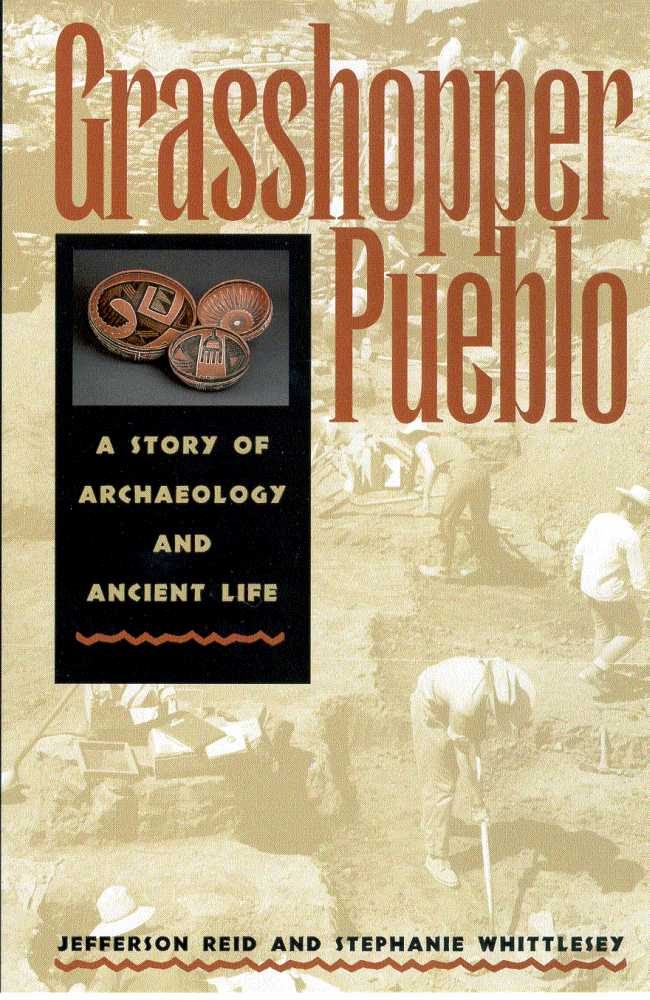
Located in the mountainous landscape of east-central Arizona, Grasshopper Pueblo was one of the largest and most significant settlements associated with the late prehistoric Mogollon region.
The site flourished during a period of major demographic and cultural transformation in the American Southwest.
Its large population, substantial architecture, agricultural economy, and eventual abandonment provide archaeologists with an opportunity to investigate one of the most important questions in Southwestern archaeology:
Why did large communities move away from settlements that had supported generations of inhabitants?
The answer is not simple.
Grasshopper Pueblo's abandonment appears to have resulted from a combination of environmental, social, economic, and regional factors rather than one isolated event.
A Large Mountain Settlement
Grasshopper Pueblo was constructed in a highland environment.
Its location provided access to forests, agricultural land, and other natural resources.
The settlement developed into a substantial community containing numerous rooms and activity areas.
Its scale demonstrates that the inhabitants were capable of organizing considerable labor.
Architecture
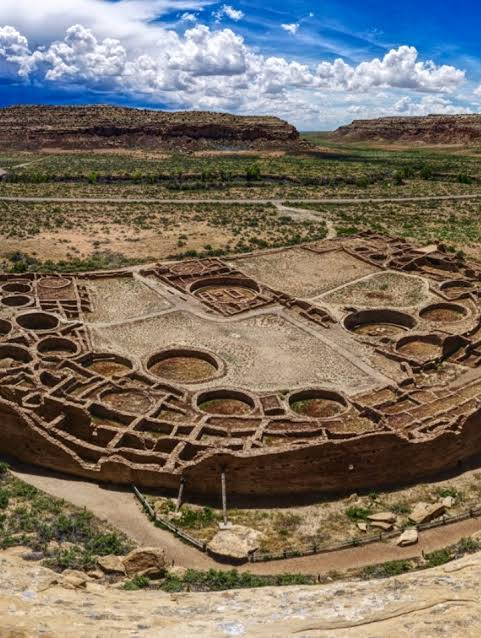
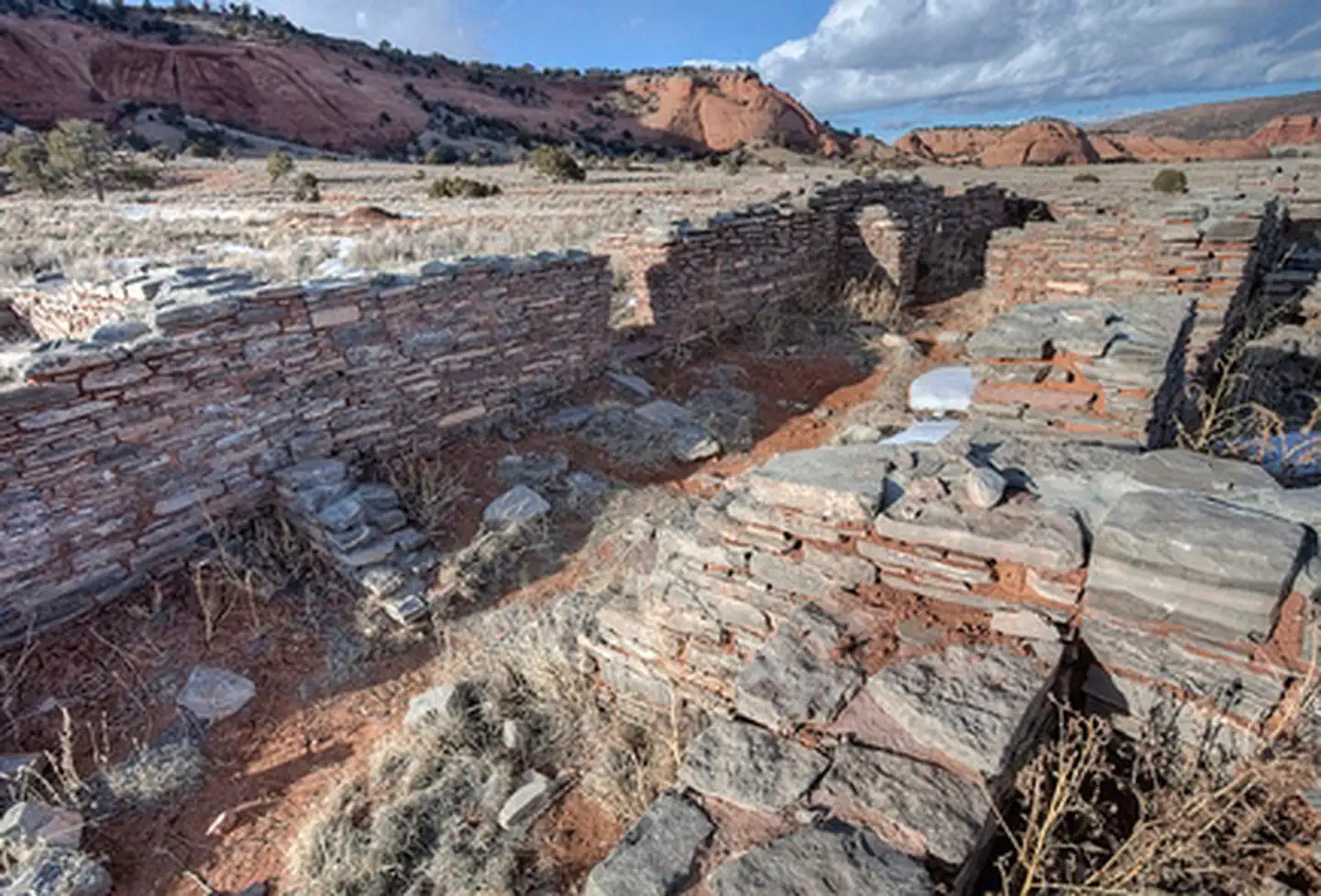
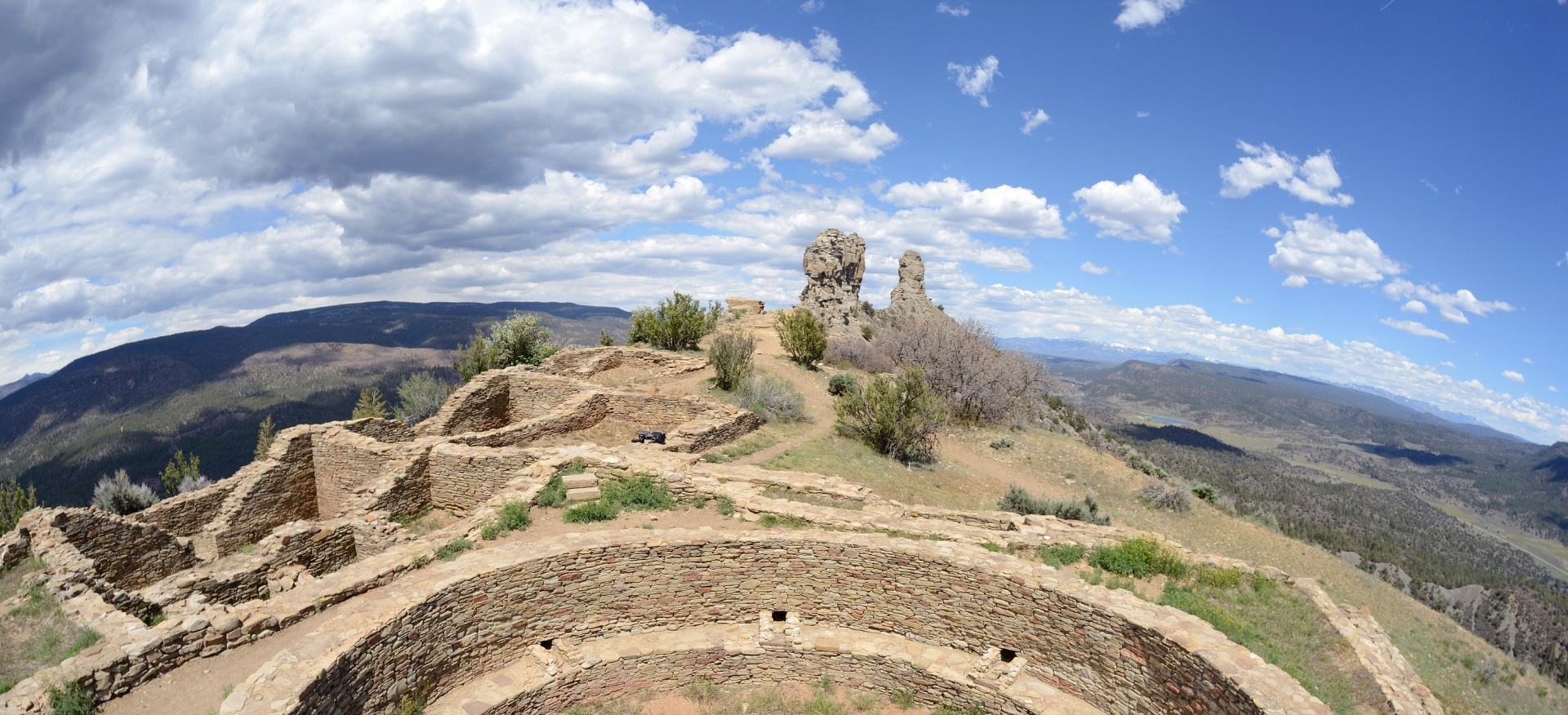
The pueblo contained multiple structures arranged into complex residential areas.
Rooms could serve different purposes.
Some were used for living.
Others were associated with storage, craft production, food preparation, or communal activities.
The architectural arrangement demonstrates that the settlement was not simply a collection of unrelated houses.
It was a socially interconnected community.
The Mogollon Background
Grasshopper Pueblo developed from traditions associated with the Mogollon cultural region.
During this period, Southwestern societies experienced increasing interaction.
People moved between regions, exchanged goods, and adopted architectural and artistic practices from neighboring communities.
Grasshopper Pueblo reflects this cultural dynamism.
Agriculture
The population depended substantially on farming.
Maize was the primary staple.
Beans and squash could provide dietary diversity.
Agriculture in a mountainous environment required careful management.
The inhabitants had to cope with:
frost;
drought;
soil variability;
seasonal limitations;
and fluctuating rainfall.
Hunting and Gathering
Agriculture did not eliminate hunting.
Wild animals supplemented the diet.
Plant gathering also remained important.
The surrounding forest environment supplied:
fuel;
timber;
nuts;
edible plants;
medicinal resources;
and game.
This diversified economy reduced dependence on agricultural production alone.
Craft Production
Archaeological evidence indicates that residents produced a variety of tools and objects.
Pottery was especially important.
Ceramics were necessary for cooking and storage and also served as cultural markers.
Other crafts included stone tool production and textile or fiber-related activities.
Population Growth
At its height, Grasshopper Pueblo housed a substantial population.
Large populations create both advantages and challenges.
A larger community can provide greater labor capacity and stronger social networks.
But it also requires more food, water, fuel, and agricultural land.
Environmental stress can therefore become more serious as population grows.
The Fourteenth-Century Context
The fourteenth century was a period of major change throughout the Southwest.
Communities expanded and contracted.
People migrated.
Settlement systems were reorganized.
Climate variability affected agricultural productivity.
Grasshopper Pueblo's history must therefore be considered within this wider regional context.
Why Was Grasshopper Pueblo Abandoned?
The precise causes remain debated.
Environmental factors likely played an important role.
Changes in rainfall and growing conditions could reduce agricultural reliability.
Population pressure may also have affected resource availability.
Social changes, regional migration, conflict, and changing exchange networks may have contributed.
Rather than searching for one explanation, archaeologists increasingly consider abandonment as a process involving multiple pressures.
Abandonment as a Social Decision
Leaving a settlement is not necessarily evidence of failure.
Communities may move because another location offers:
better agricultural opportunities;
stronger social connections;
improved access to water;
greater security;
or religious significance.
Migration can therefore be an active strategy.
Material Evidence
Archaeological deposits provide clues about the final phases of occupation.
Broken pottery, food remains, architecture, and abandoned objects can reveal patterns of daily life.
However, archaeologists must be cautious.
The presence of abandoned objects does not automatically mean that inhabitants fled suddenly.
Some materials may have been intentionally left behind because they were no longer useful or were too heavy to transport.
Indigenous Continuity
The abandonment of Grasshopper Pueblo should not be interpreted as the disappearance of Southwestern peoples.
Modern Indigenous communities maintain cultural traditions connected to the broader region.
Population movements created new communities rather than ending Indigenous history.
Archaeology therefore reveals migration and transformation rather than extinction.
Archaeological Importance
Grasshopper Pueblo is valuable because its scale allows researchers to study community organization.
The site can help answer questions about:
household structure;
population density;
agriculture;
craft production;
trade;
health;
diet;
and social relationships.
Conclusion
Grasshopper Pueblo stands as a powerful example of both human adaptation and cultural change.
For generations, its inhabitants built homes, cultivated crops, prepared food, manufactured pottery, hunted animals, raised families, and participated in community life.
Eventually, however, the settlement was abandoned.
The reasons were likely complex, involving environmental conditions and broader social transformations.
Its ruins therefore should not be seen simply as evidence of a failed civilization.
Instead, Grasshopper Pueblo represents one chapter in a much longer history of movement, adaptation, and community formation in the American Southwest.
The people left the settlement, but the cultural traditions.