Introduction
The Homol'ovi archaeological sites in northern Arizona preserve the remains of several large ancestral villages associated with the ancestors of modern Hopi people.
Situated near the Little Colorado River, Homol'ovi represents a remarkable example of how Indigenous communities created substantial settlements while maintaining strong relationships with agriculture, trade, religion, and the surrounding landscape.
The sites are particularly important because they demonstrate that ancient Southwestern communities were connected through extensive networks.
Homol'ovi was not an isolated settlement.
It participated in regional exchange systems linking Arizona, New Mexico, and other parts of the Southwest.
The Meaning of Homol'ovi
The name Homol'ovi is associated with the Hopi language and reflects the site's continuing importance to Hopi cultural traditions.
The archaeological landscape contains several village sites.
These settlements varied in size and organization.
Together, they preserve evidence of a significant period of ancestral Hopi history.
The Little Colorado River
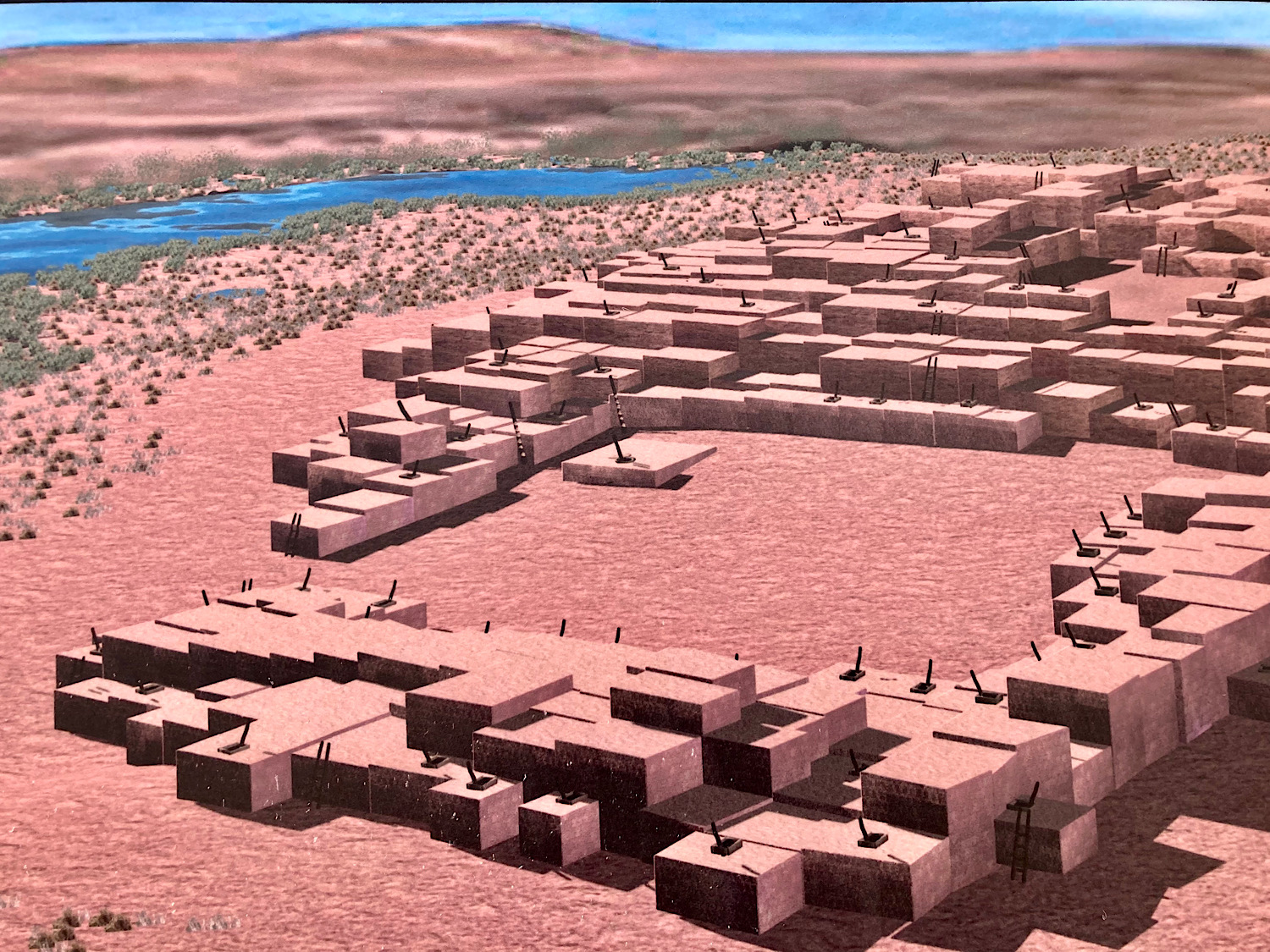
The location of Homol'ovi near the Little Colorado River was fundamental to its development.
Rivers provide:
water;
fertile soils;
transportation routes;
wildlife;
and plant resources.
Although the surrounding region is arid, the river valley created opportunities for agriculture and settlement.
The inhabitants adapted their farming practices to local conditions.
Agriculture
Maize was central to the diet.
Farmers also cultivated beans and squash.
Agriculture required knowledge of rainfall, soil, seasonal temperatures, and water availability.
The Little Colorado landscape could be unpredictable.
Successful farmers therefore had to manage risk.
Wild plants and hunted animals supplemented agricultural production.
Architecture
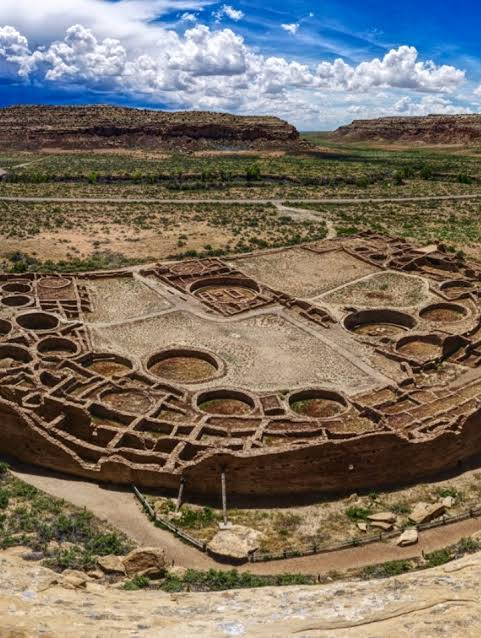
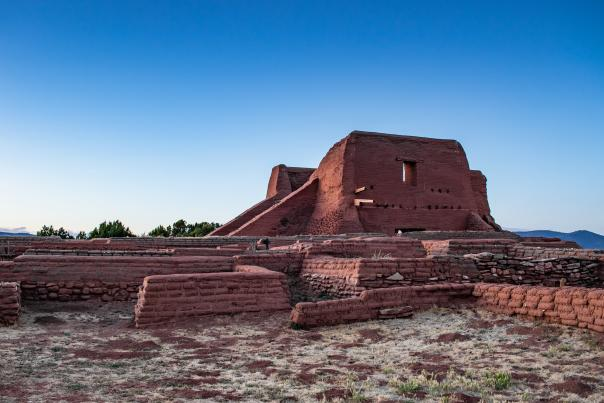
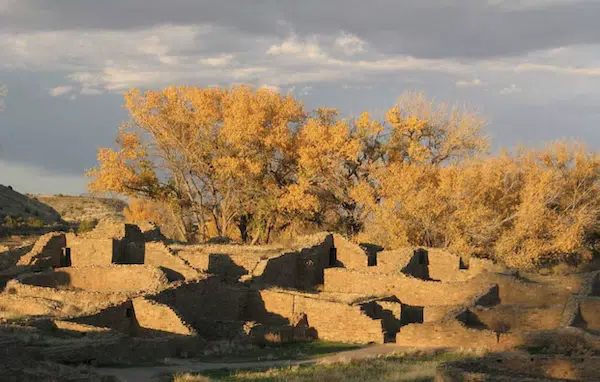
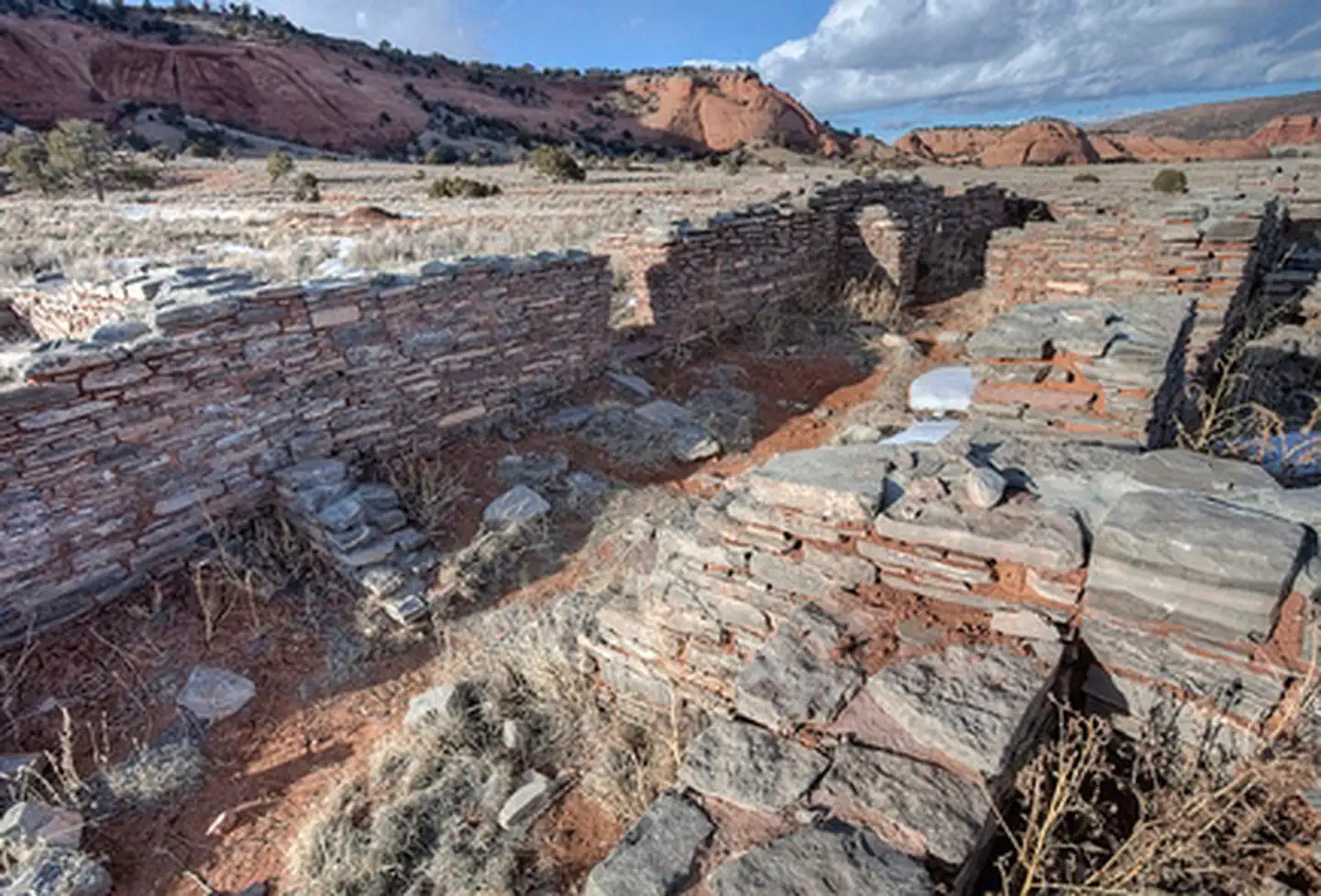
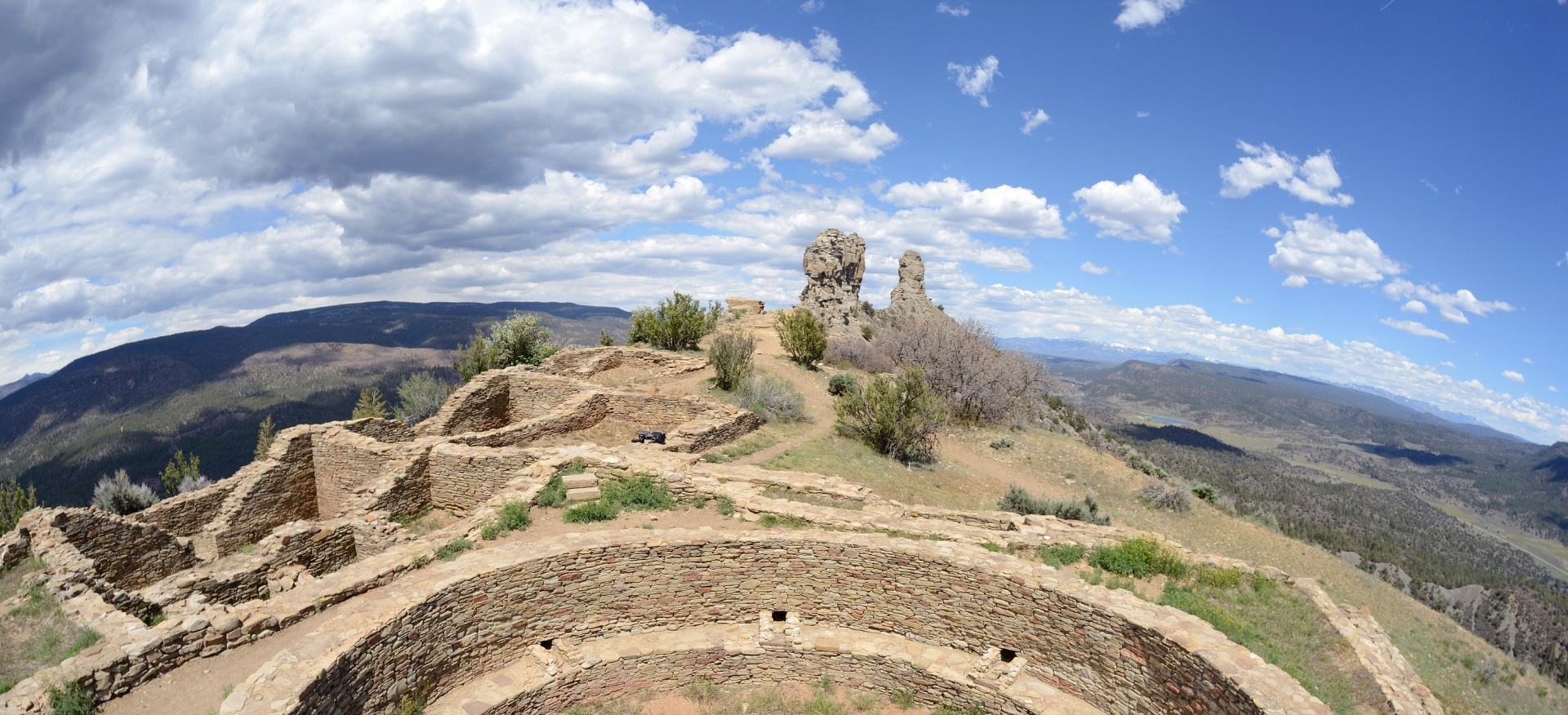
Homol'ovi's villages contained numerous rooms constructed from stone and other materials.
Buildings could function as residences, storage facilities, work spaces, and communal areas.
The scale of some settlements demonstrates substantial population density.
Large communities require social cooperation.
People had to coordinate construction, agriculture, water management, food storage, and ceremonial activities.
Pottery
Homol'ovi is particularly well known for its pottery.
Ceramics provide evidence for cultural relationships because styles can spread between communities.
Pottery vessels could be decorated with distinctive geometric and symbolic designs.
They were used for:
cooking;
storage;
serving;
and ceremonial activities.
Archaeologists can analyze pottery composition and style to investigate trade and migration.
Trade Networks
Homol'ovi occupied an important position in Southwestern exchange networks.
Objects and materials from distant regions have been found in the archaeological record.
These demonstrate long-distance interaction.
Trade could involve:
pottery;
stone;
shell;
pigments;
food;
and other materials.
Exchange also allowed ideas and technologies to travel.
Social Relationships
Large settlements were not merely collections of houses.
They were social communities.
People formed households, kinship relationships, ceremonial groups, and political institutions.
The organization of rooms and public spaces provides clues about these relationships.
Religious Life
Religion was deeply integrated into ancestral Puebloan society.
Ceremonial spaces could provide locations for communal rituals.
Although archaeologists cannot reconstruct every belief, architecture and material culture demonstrate that religious activities were important.
Modern Hopi traditions provide additional cultural perspectives on ancestral places.
Migration and Settlement Change
Homol'ovi communities eventually declined and were abandoned.
This occurred during a broader period of population movement across the Southwest.
The reasons were probably complex.
Environmental pressures may have contributed.
Changing political relationships, resource availability, and migration networks may also have influenced decisions.
Connection to Modern Hopi Communities
The archaeological sites have strong connections to Hopi history.
For modern Hopi people, ancestral sites are not simply ruins.
They form part of a broader landscape of cultural memory and identity.
This makes archaeological interpretation especially significant.
Researchers must therefore approach the sites with respect for Indigenous knowledge and cultural perspectives.
Preservation
Archaeological sites in arid environments can appear remarkably durable.
However, erosion can still damage structures.
Human disturbance and unauthorized artifact collection can cause irreversible losses.
Preservation allows future generations to study the site while protecting its cultural significance.
Conclusion
Homol'ovi represents a major chapter in the history of the ancestral Hopi world.
Its villages demonstrate sophisticated agricultural adaptation, architectural organization, craft production, trade, and community life.
The site also illustrates the importance of movement in Southwestern history.
People built communities, maintained networks, and eventually relocated.
Yet cultural continuity persisted.
Homol'ovi therefore provides more than archaeological information about the past. It represents an enduring connection between ancient settlements and living Indigenous traditions.