Introduction
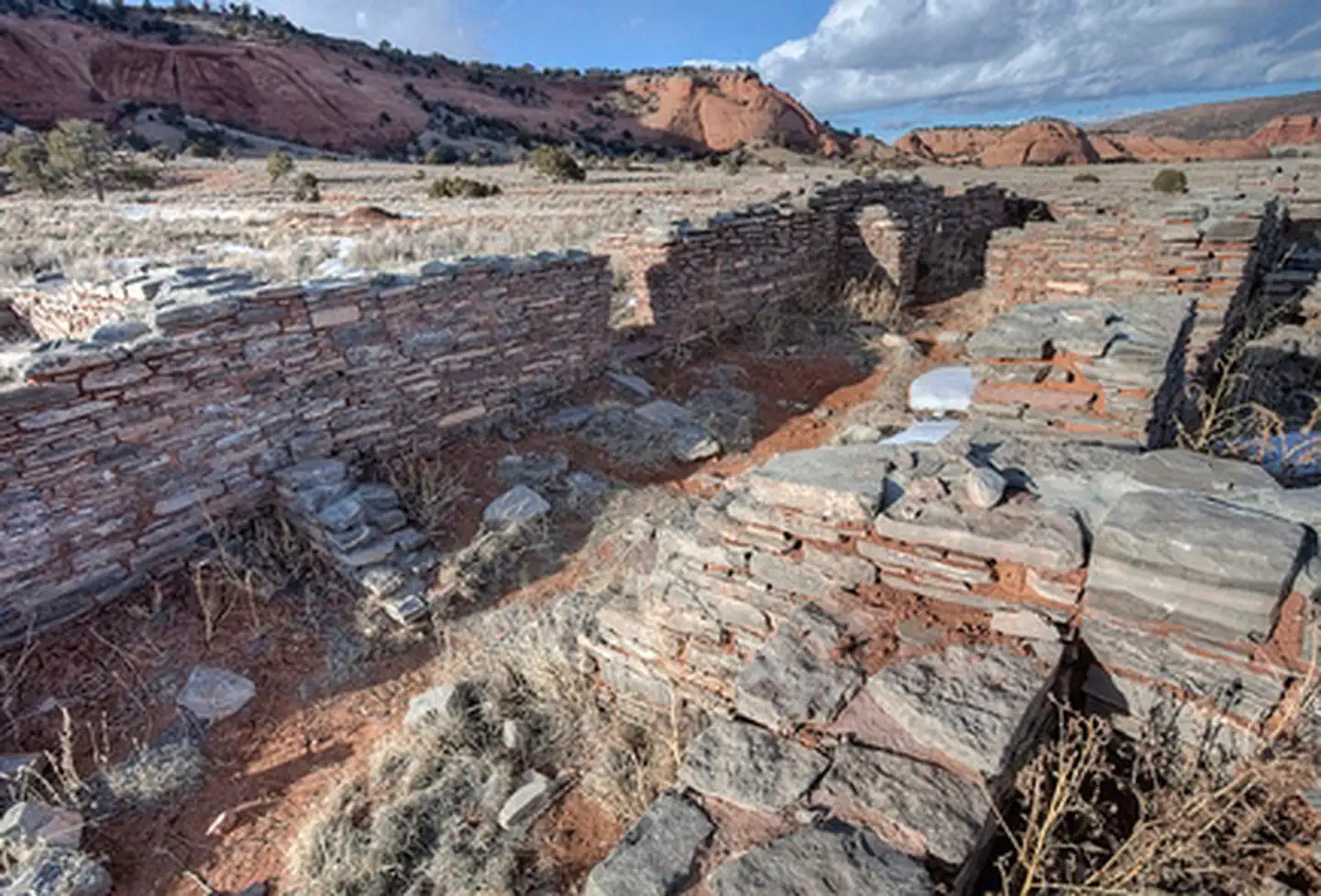
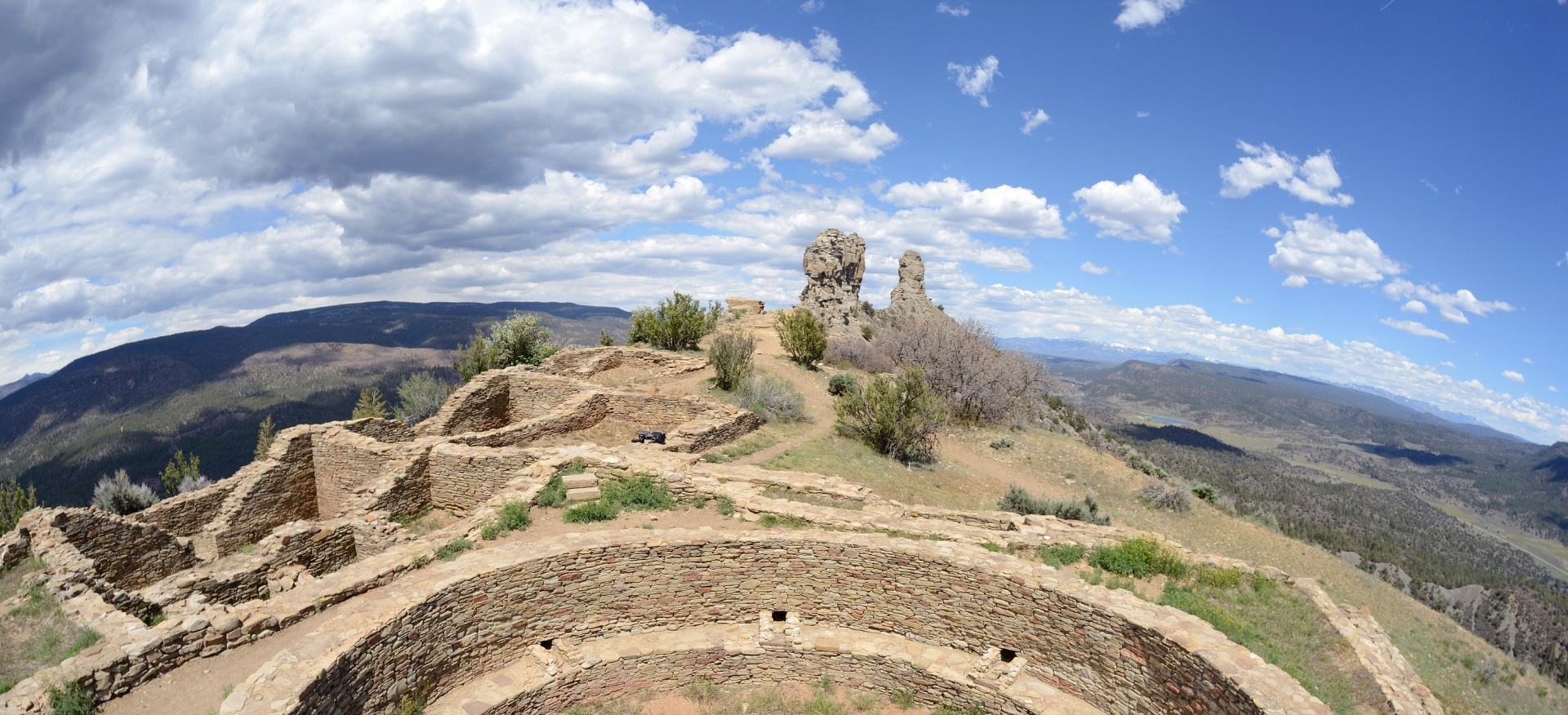
The Grewe Site, located in central Arizona near the modern community of Chandler, represents one of the most important archaeological landscapes for understanding the development of Hohokam society in the Salt River Valley. Rather than being a single isolated ruin, Grewe formed part of a much larger settlement landscape associated with extensive irrigation agriculture, residential compounds, ceremonial architecture, and regional exchange.
Archaeologists use the term Hohokam as a classification for an archaeological tradition that flourished in central and southern Arizona for more than a thousand years. Modern scholarship increasingly emphasizes that this term should not be treated as the name of a single ancient tribe. The communities archaeologists identify through Hohokam material culture were diverse, and modern Indigenous communities maintain important relationships with the ancestral landscapes of the region.
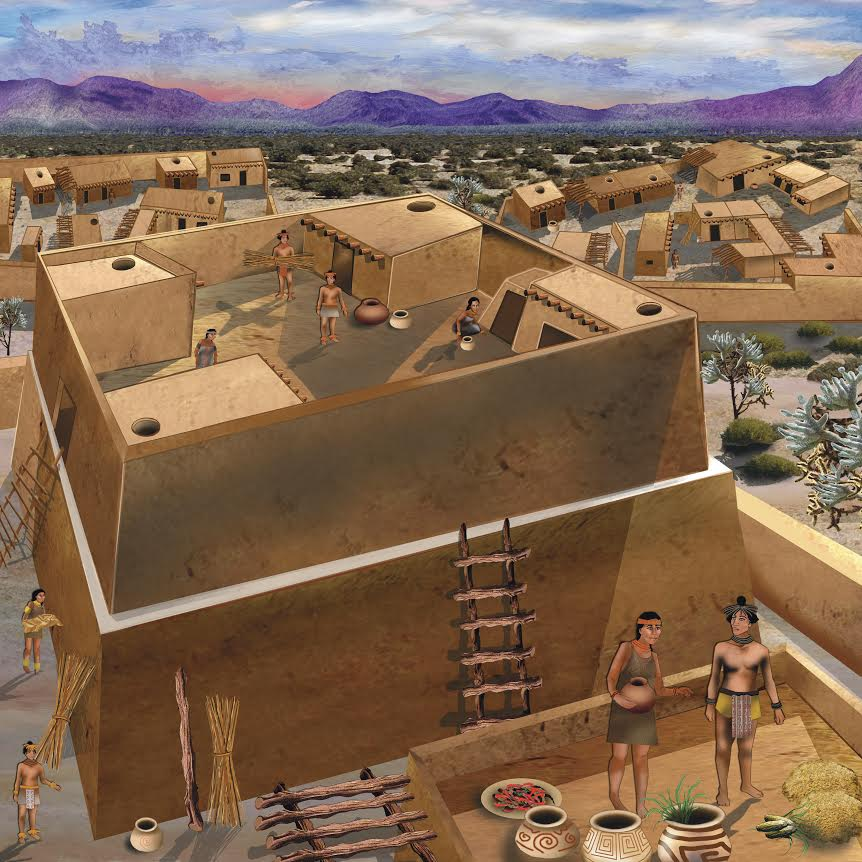
Grewe is particularly significant because of its evidence for platform mounds, large elevated earthen structures that appear to have served as important communal or ceremonial spaces.
The Hohokam World
The Salt and Gila river systems created an unusual environment in the Sonoran Desert. Rainfall was unpredictable and generally insufficient to support intensive agriculture without additional water management.
Ancient communities responded by constructing extensive irrigation canals. These canals transported river water across otherwise dry landscapes, allowing farmers to cultivate maize, beans, squash, cotton, and other crops.
The existence of large canal systems required cooperation.
A canal was not simply dug once and forgotten. It needed maintenance, cleaning, repair, and coordinated management. This encouraged the development of communities capable of organizing labor on a substantial scale.
Grewe belonged to this broader irrigation landscape.
Platform Mounds and Community Organization
Platform mounds are among the most distinctive architectural features associated with Classic-period Hohokam settlements.
Unlike ordinary residential structures, these elevated platforms required significant quantities of labor and earth. Their construction therefore indicates that certain places had importance beyond individual households.
Archaeologists have proposed several interpretations for platform mounds. They may have supported elite residences, ceremonial buildings, public structures, or spaces where community leaders organized collective activities.
The precise function of individual mounds cannot always be established with certainty.
Nevertheless, their construction demonstrates that Hohokam communities possessed the organizational capacity to mobilize labor for large architectural projects.
Residential Life
Grewe also provides insight into ordinary life.
Hohokam residential compounds could include multiple rooms arranged around courtyards. Houses were commonly constructed using locally available materials, including earth and plant resources.
The courtyard was particularly important because households were not simply collections of isolated rooms. Food preparation, craft production, social interaction, and other activities could take place within shared spaces.
Archaeological remains such as pottery fragments, stone tools, shell ornaments, food remains, and architectural debris help reconstruct these activities.
Trade and Exchange
Grewe existed within a large exchange network.
Hohokam communities traded over substantial distances. Archaeological discoveries throughout central Arizona demonstrate the movement of materials such as marine shell from the Gulf of California, mineral pigments, stone, and other objects.
Marine shell is especially important because it demonstrates connections between desert communities and coastal regions hundreds of kilometers away.
Shell ornaments were sometimes worked into bracelets, beads, pendants, and other objects.
Such discoveries demonstrate that the Sonoran Desert was not an isolated cultural environment.
Agriculture and Irrigation
The economic foundation of settlements such as Grewe was agriculture.
Maize was particularly important, but farming communities cultivated multiple crops to reduce risk. Beans provided protein, squash contributed additional food resources, and cotton could be transformed into textiles.
Irrigation transformed the agricultural possibilities of the valley.
However, irrigation also created environmental challenges. Water management could alter soil conditions, and long-term cultivation could contribute to salinization.
The rise and later transformation of Hohokam communities cannot therefore be explained through architecture alone. Environmental change, demographic shifts, social reorganization, political developments, and regional interaction all played roles.
Archaeological Importance
Grewe is valuable because it helps archaeologists understand Hohokam society at the scale of settlements rather than isolated artifacts.
Its evidence connects architecture, agriculture, craft production, trade, and community organization.
The site illustrates that the ancient Southwest contained sophisticated urban and agricultural systems long before European arrival.
Conclusion
Grewe's platform mounds are more than piles of ancient earth. They represent organized labor, community identity, ceremonial activity, and the social structures that made large settlements possible.
The site demonstrates how people living in an arid environment created productive agricultural landscapes through engineering and cooperation.
Its archaeological importance lies precisely in this combination of technology and society: Grewe reveals how irrigation, architecture, trade, and communal organization came together to create one of the most remarkable prehistoric traditions of the American Southwest.