Introduction
Pueblo Grande, located in what is now Phoenix, Arizona, was one of the major prehistoric settlements of the Salt River Valley. Today preserved as Pueblo Grande Museum Archaeological Park, the site provides an extraordinary opportunity to examine the architecture, irrigation technology, agriculture, trade, and social organization of ancestral Sonoran Desert communities.
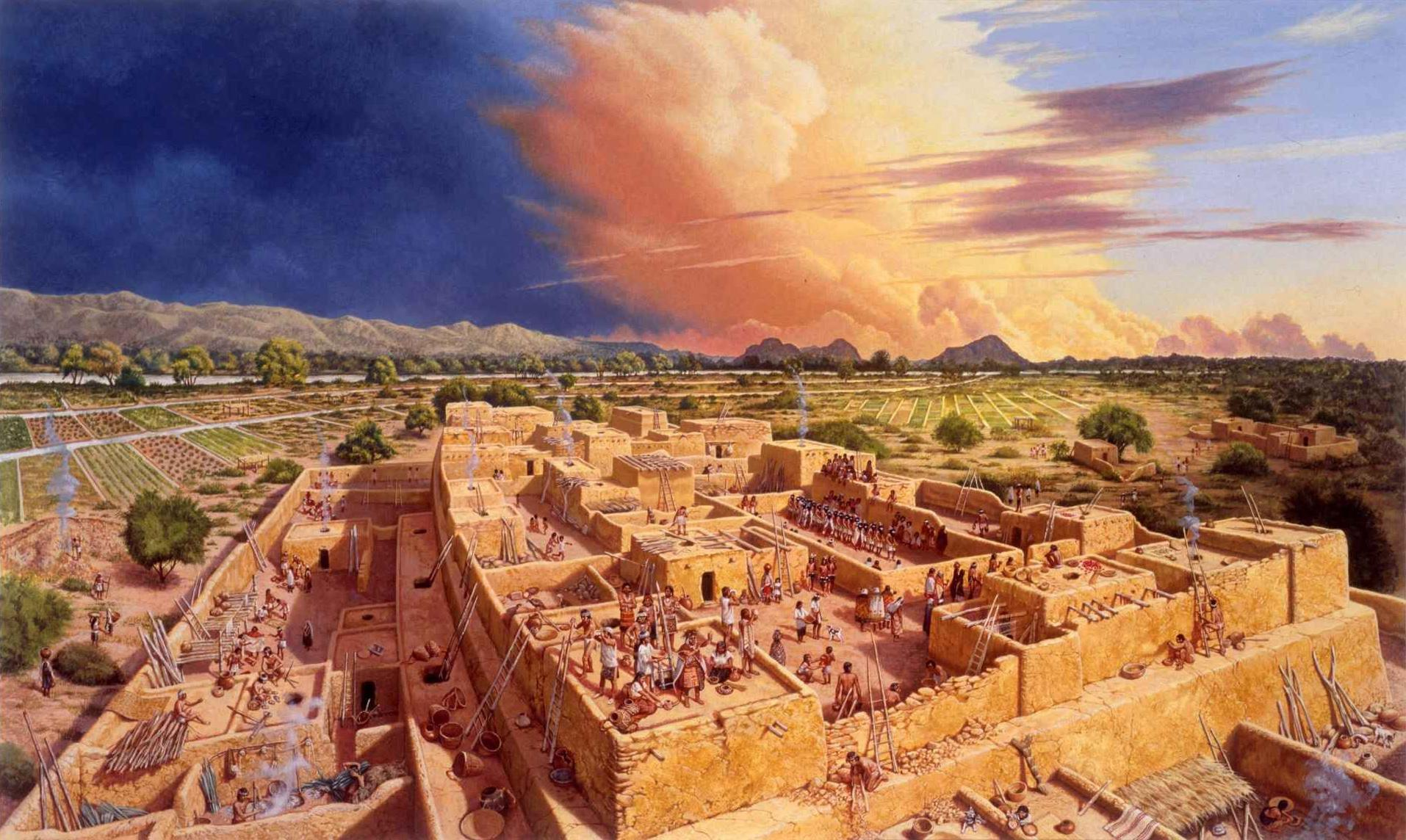
The settlement was not simply a village. It was part of an enormous cultural landscape containing canals, agricultural fields, residential compounds, ceremonial facilities, and monumental architecture.
Its platform mound is particularly important because it demonstrates that Hohokam communities created elevated public structures that required substantial collective labor.
A Desert Settlement Built Around Water
The Phoenix Basin receives limited rainfall, yet the Salt River provided a dependable source of water.
Ancient engineers constructed canals that redirected river water into agricultural areas.
These canals transformed the desert.
Fields could be planted with maize and other crops because water could be delivered to areas that would otherwise have been difficult to farm reliably.
The scale of the canal system demonstrates that ancient communities possessed detailed knowledge of topography, water flow, seasonal conditions, and coordinated labor.
The Platform Mound
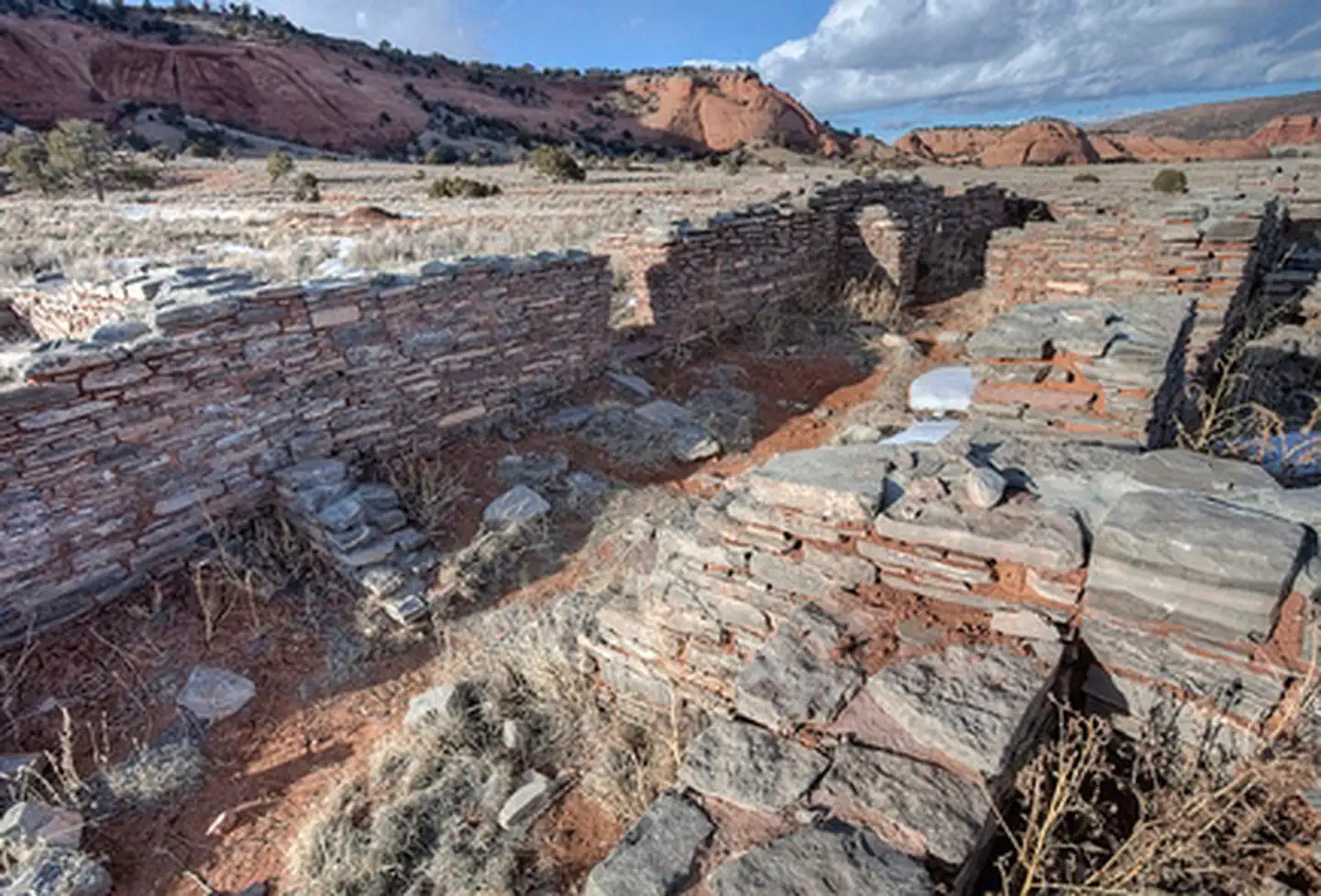
The platform mound was among Pueblo Grande's most impressive architectural features.
Unlike ordinary domestic structures, the mound represented a monumental investment.
Its elevated position would have made associated buildings visually prominent within the settlement.
Archaeologists have debated exactly how such structures functioned. Possible uses include ceremonial activities, administrative functions, elite residence, or combinations of these.
The uncertainty is important.
Archaeology rarely provides a simple label explaining precisely what every structure was used for. Instead, researchers compare architecture, artifacts, spatial organization, and similar sites.
Ballcourts and Public Life
Hohokam settlements also contained ballcourts.
These facilities provide evidence for organized communal activities and connections between different communities.
The famous Hohokam ballgame appears to have been more than simple entertainment. Public games could have brought communities together and provided opportunities for exchange, diplomacy, social interaction, and ritual.
The presence of such facilities indicates that large settlements had social institutions extending beyond individual households.
Craft Production
Pueblo Grande also reflects extensive craft production.
Residents manufactured pottery, stone tools, shell ornaments, textiles, and other objects.
Pottery was particularly important because vessels served practical purposes while also expressing regional artistic traditions.
Shell objects demonstrate long-distance connections.
Marine shells from the Gulf of California traveled inland through exchange networks, sometimes ending up hundreds of kilometers from their original source.
Agriculture
Agriculture supported the population.
Maize formed a major component of the diet, supplemented by beans, squash, wild plants, and animals.
Cotton was especially significant because it could be used to produce textiles.
The ability to cultivate cotton in an arid environment demonstrates how irrigation was integrated into both subsistence and craft production.
Environmental Challenges
Irrigation brought tremendous benefits but also created risks.
Poor drainage could allow salts to accumulate in soils.
Floods could damage canals.
Canals required constant maintenance.
Changes in river behavior could affect agricultural production.
Therefore, Hohokam agriculture required continuous adaptation.
The Meaning of Pueblo Grande
Pueblo Grande demonstrates that ancient desert communities developed complex systems without modern machinery.
Their achievements were based on detailed environmental knowledge, organized labor, engineering, and generations of accumulated experience.
The site also challenges simplistic assumptions about prehistoric societies.
Rather than being small, isolated communities, the people associated with the archaeological tradition created interconnected settlements extending across large portions of central Arizona.
Conclusion
Pueblo Grande stands as one of the most important archaeological reminders of ancient Phoenix.
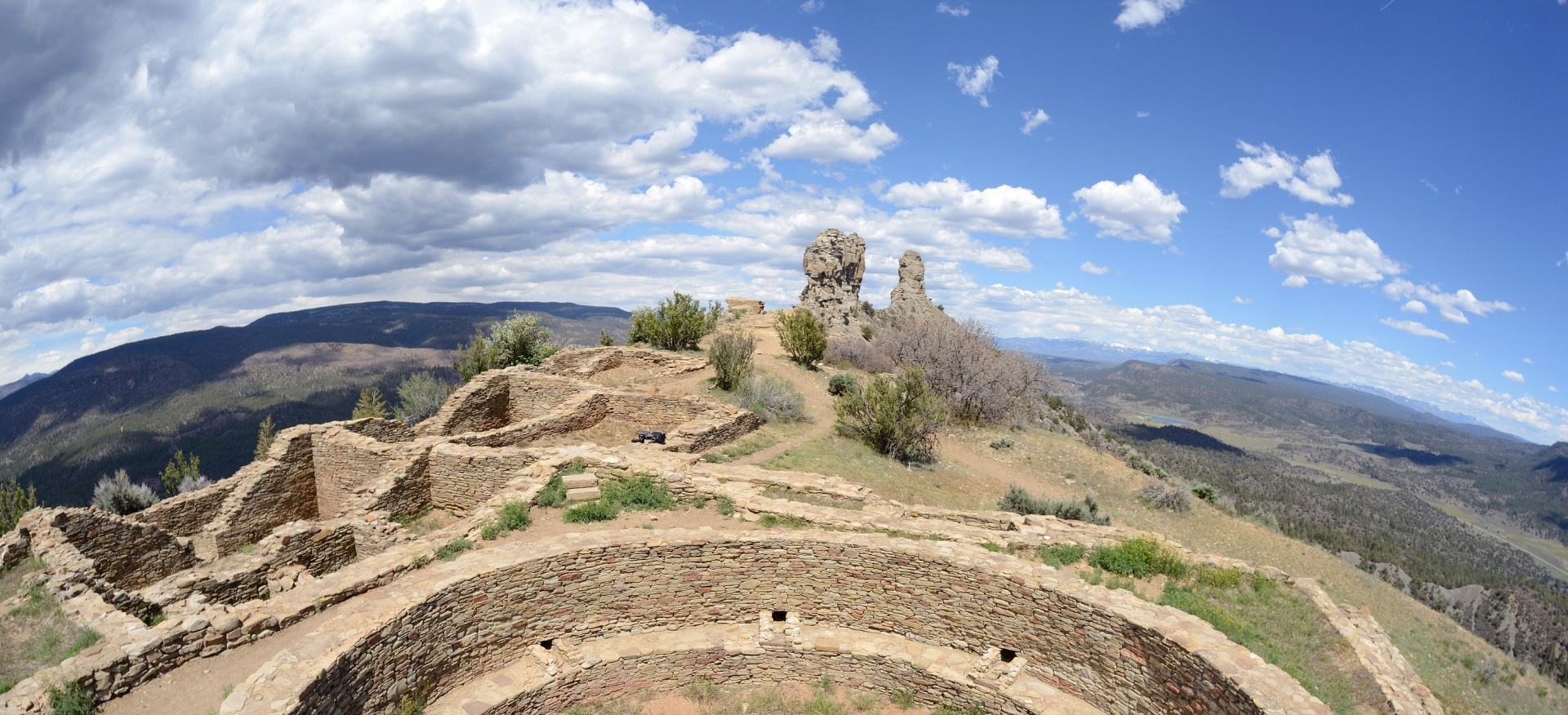
Its platform mound, canals, residential structures, agricultural systems, and artifacts reveal a society capable of transforming an arid environment into a productive cultural landscape.
The ruins are therefore not merely remains of abandoned buildings. They represent centuries of engineering, farming, exchange, social organization, and cultural creativity.