Introduction
Gudme, located on the Danish island of Funen, was one of the most important centers of power in Iron Age Scandinavia.
Its archaeological remains reveal a wealthy and influential community involved in craft production, long-distance trade, elite culture, and religious activity.
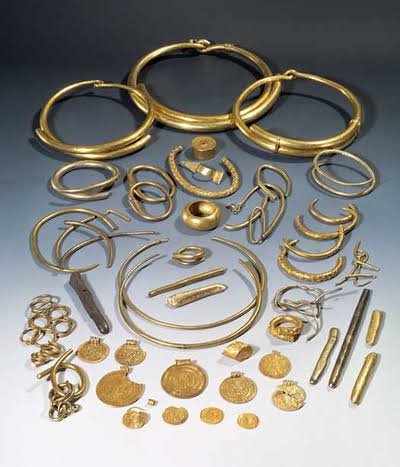
The enormous quantities of precious metal discovered in the region have made Gudme especially famous.
A Wealthy Power Center
Gudme flourished particularly during the late Iron Age.
Archaeologists have uncovered evidence suggesting that the settlement was more than an ordinary farming community.
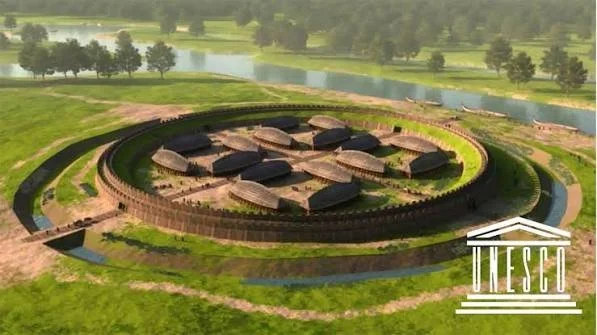
Large halls, workshops, imported objects, and precious metals indicate the presence of an elite political center.
Gold and Silver
The discovery of gold objects is one of Gudme's defining features.
Gold was an elite material.
It required access to wealth and extensive exchange networks.
Gold jewelry, ornaments, and other objects demonstrate the concentration of resources at the site.
Trade Networks
Gudme was connected to wider European networks.
Imported objects demonstrate interaction with continental Europe and other parts of Scandinavia.
Trade may have brought luxury goods, raw materials, technologies, and cultural influences to the settlement.
Craft Production
Gudme was also a major center of craftsmanship.
Metalworking required specialist knowledge.
The presence of workshops indicates that elite communities could support highly skilled artisans.
Craft production reinforced the status of political leaders by allowing them to acquire and display exceptional objects.
The Great Halls
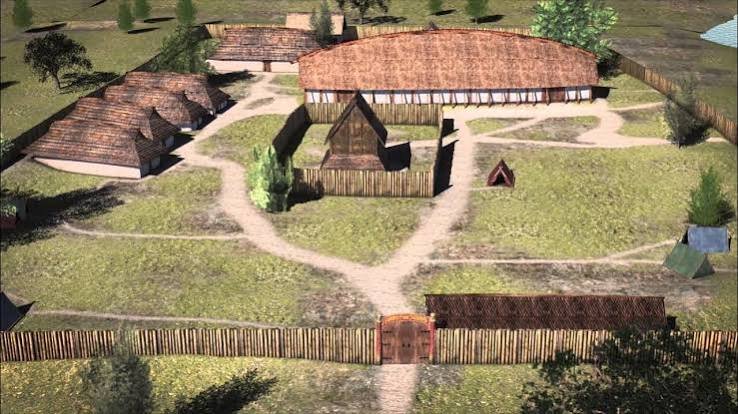
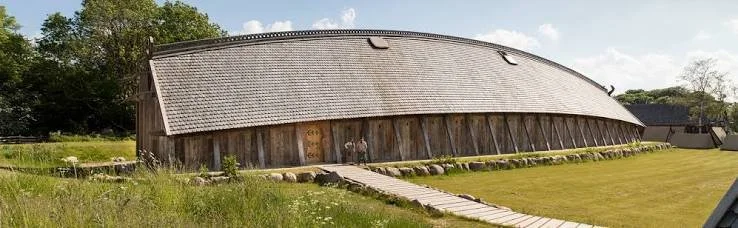
Large halls were central to elite life.
They could serve as residences, meeting places, ceremonial spaces, and locations for feasting.
Feasting was politically important because leaders strengthened alliances by providing food and hospitality.
The hall therefore represented both architecture and social power.
Religion
Gudme appears to have possessed significant religious importance.
The association between elite halls and ritual activity suggests that political and religious authority could overlap.
Religious ceremonies may have reinforced the legitimacy of local leaders.
Archaeological Significance
Gudme challenges simplistic ideas about Iron Age Scandinavia.
The region possessed sophisticated political economies before the Viking Age.
Long-distance trade, elite culture, craft specialization, and religious institutions were already well developed.
Transition to the Viking Age
The importance of Gudme declined as other centers rose.
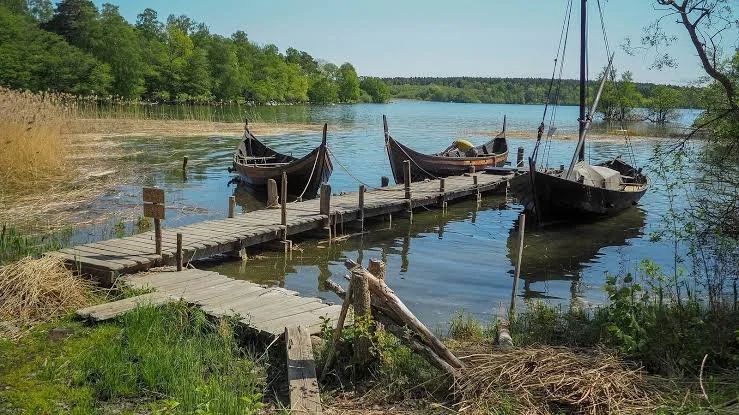
Nearby Lundeborg became an important trading site.
This transition demonstrates how economic centers could shift as political and commercial networks changed.
Conclusion
Gudme represents one of the most important Iron Age power centers in Denmark.
Its gold, workshops, halls, imported objects, and religious evidence demonstrate the wealth and complexity of Scandinavian society before the Viking Age.
Rather than appearing suddenly in the eighth century, Viking Age culture emerged from earlier traditions of trade, craftsmanship, elite power, and international exchange.
Gudme provides an essential archaeological foundation for understanding that development.