Introduction
Lejre is one of Denmark's most important archaeological sites associated with early royal power.
Located on Zealand, the site contains evidence of elite halls, ritual activity, settlement, and monumental architecture extending across several centuries.
Lejre has also been connected with medieval legends concerning Danish kings.
Although archaeology cannot simply confirm every legendary story, the extraordinary remains demonstrate that the region genuinely was an important center of power.
The Royal Hall
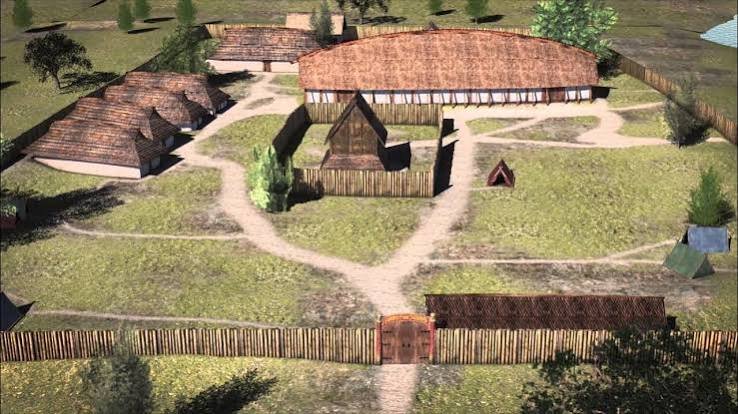
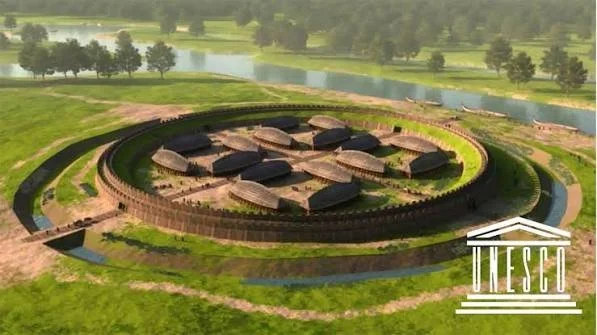
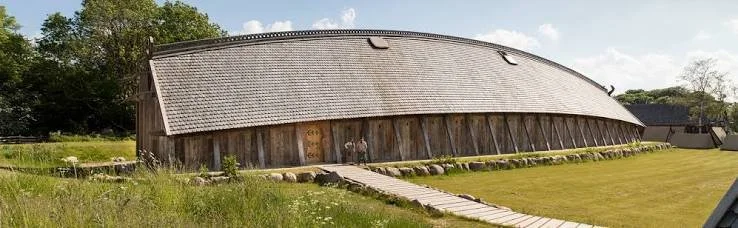
The most famous archaeological feature at Lejre is the sequence of large halls.
These structures were constructed from timber and required substantial resources.
Their size indicates that they were not ordinary houses.
They were probably used for elite gatherings, feasting, political meetings, and ceremonies.
Feasting and Kingship
Feasting was an essential component of early medieval political culture.
A powerful leader demonstrated generosity by distributing food and drink.
Guests developed relationships with the ruler.
Warriors could receive gifts.
Alliances could be strengthened.
The hall therefore functioned as a political institution.
Archaeological Finds
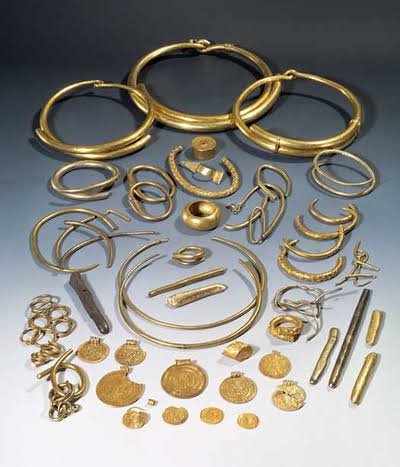
Lejre has produced numerous artifacts, including:
jewelry;
weapons;
glass vessels;
imported objects;
animal remains;
tools;
craft materials.
These discoveries indicate substantial wealth and international connections.
Myth and Archaeology
Lejre became associated with legendary Danish rulers, particularly figures preserved in medieval literature.
However, archaeological evidence must be interpreted independently from later stories.
The legends may preserve memories of powerful dynasties, but they were written centuries after the periods they describe.
Ritual Activity
Evidence suggests that religious activity occurred at Lejre.
Animal remains and unusual deposits may represent ritual practices.
The connection between political halls and religious ceremonies illustrates the close relationship between authority and belief.
Landscape
Lejre's significance extends beyond individual buildings.
The surrounding landscape contains archaeological features demonstrating long-term occupation and monument building.
The placement of elite structures within the landscape communicated status.
Political Center
Lejre may have functioned as a regional or dynastic center.
Its wealth and monumental architecture demonstrate the concentration of resources.
The ability to construct repeated large halls indicates that political authority persisted across generations.
Conclusion
Lejre offers a rare archaeological glimpse into the world of early Scandinavian kingship.
Its enormous halls, wealth, ritual evidence, and long occupation demonstrate that elite political centers existed before the fully developed Viking Age.
The site's association with Danish legend adds cultural significance, but its archaeological evidence is important in its own right.
Lejre stands as a powerful reminder that medieval kingship grew from centuries of Scandinavian traditions involving feasting, warfare, religion, wealth, and control of people and resources.