Dance in Minoan artistic representations
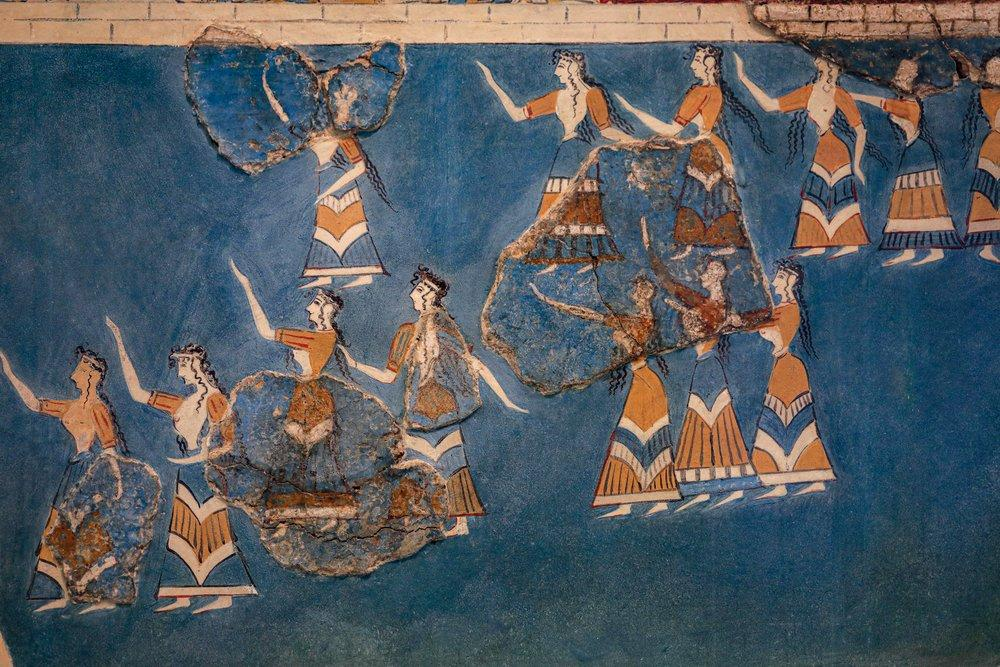
Minoan art includes depictions of human figures engaged in activities that may be connected with ceremony, performance, religious practice, or social interaction.
Frescoes, figurines, seal images, and other archaeological objects provide evidence for the representation of movement, gestures, and bodies in Bronze Age Crete.
Some images have been interpreted as depicting dance or ritual activity, although the precise meaning of individual scenes can be difficult to establish.
Dance, ritual, and community
Dance can serve several functions in society. It may accompany religious ceremonies, celebrations, social gatherings, rites of passage, or expressions of collective identity.
Movement can be connected with music, rhythm, symbolic gestures, and the organization of participants within a performance.
For Minoan Crete, the interpretation of dance scenes must be approached carefully because artistic representations may be symbolic rather than direct depictions of ordinary performance.
Rethymno and the Minoan landscape
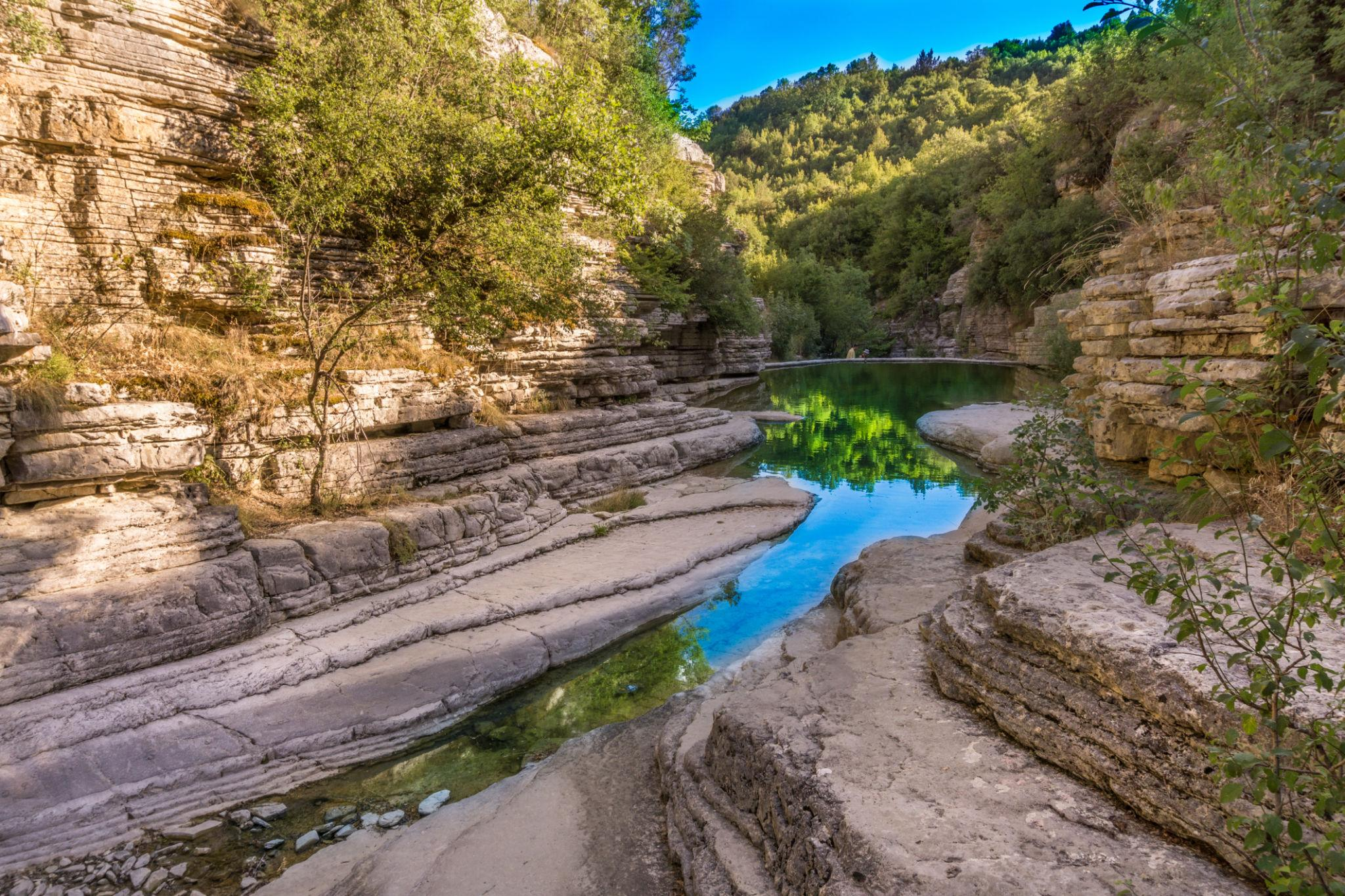
The wider Rethymno region contains archaeological sites and landscapes associated with different periods of Cretan history. Research in the region contributes to the study of prehistoric settlement, agricultural activity, architecture, and religious practices.
The reference to hidden Minoan dances in Rethymno valleys is a hypothetical theme rather than a verified discovery of an ancient dance tradition preserved in a specific valley.
Reconstructing prehistoric performance
Researchers can study ancient dance through visual representations, musical instruments, ritual objects, architectural settings, and comparisons with documented traditions.
However, the reconstruction of prehistoric choreography is highly uncertain. Images may not show the exact movement sequence, and later dances cannot be assumed to preserve Minoan choreography without evidence.
A study of Minoan dances in the Rethymno region would therefore focus on the interpretation of archaeological imagery, the possible role of movement in ritual, and the relationship between performance and social identity.