Introduction
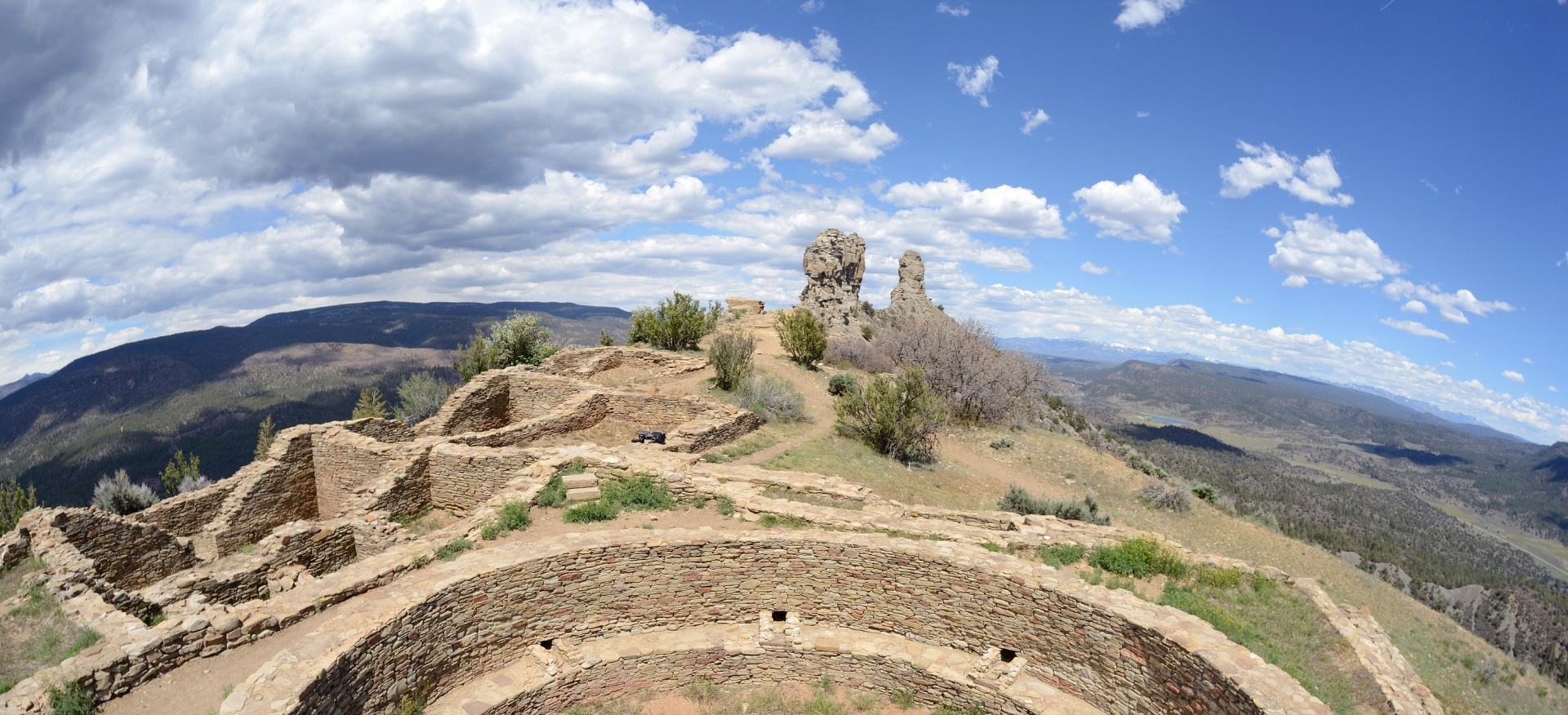
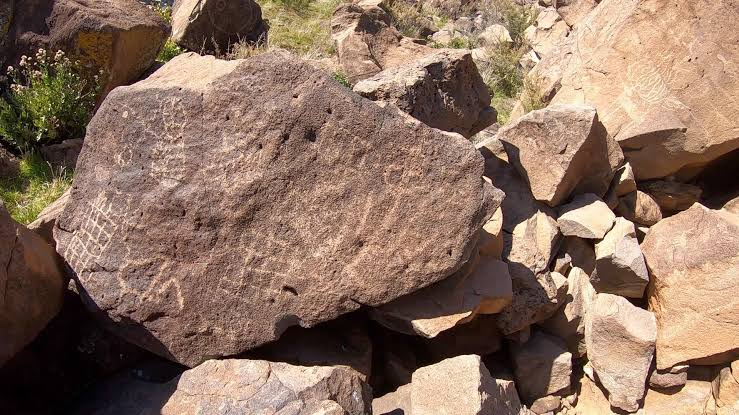
High above the surrounding valleys of central Arizona lies Perry Mesa, an extraordinary archaeological landscape containing hundreds of ancient architectural sites.
The area is particularly significant because many settlements were established on elevated terrain during the fourteenth century.
Rather than forming a single enormous city, Perry Mesa contains numerous small communities distributed across a broad landscape.
Archaeologists have described this pattern as an example of aggregation, in which populations concentrated into larger regional settlement systems while maintaining multiple local residential units.
The Landscape
Perry Mesa is characterized by elevated terrain surrounded by rugged valleys and desert environments.
The high mesa provided several advantages.
It offered:
visibility;
defensible terrain;
agricultural opportunities;
access to nearby ecological zones;
and separation from some lowland environments.
However, living on the mesa also presented challenges.
Water availability was limited.
Agriculture required careful planning.
The Ancient Settlements
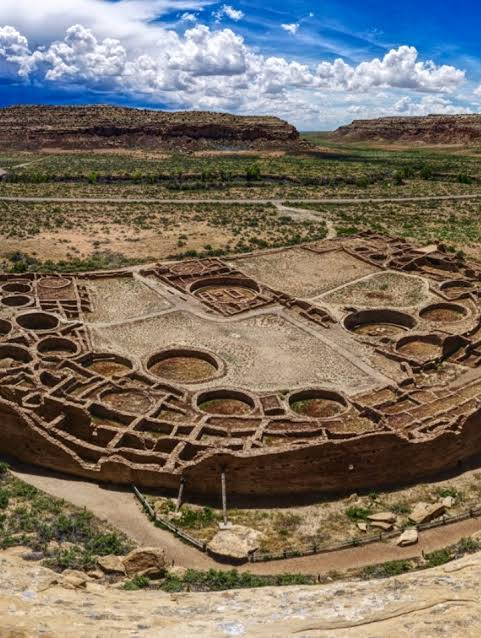
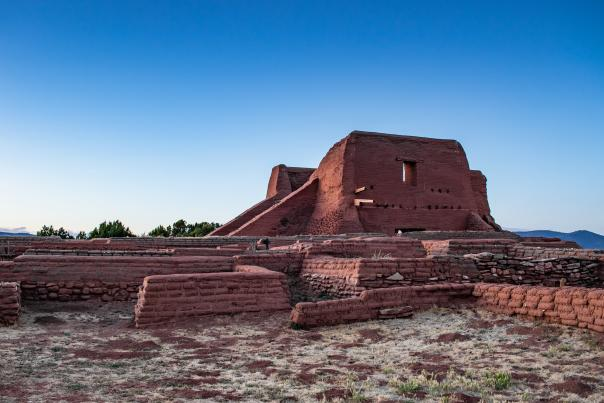
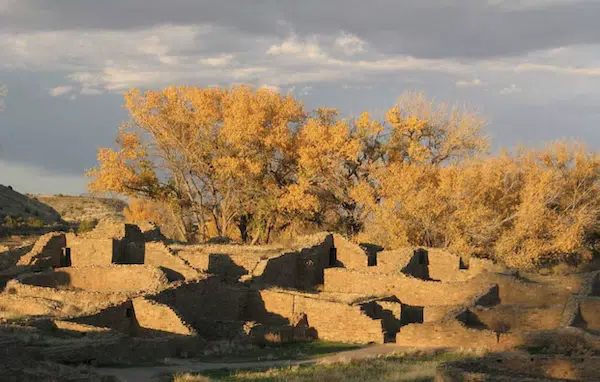
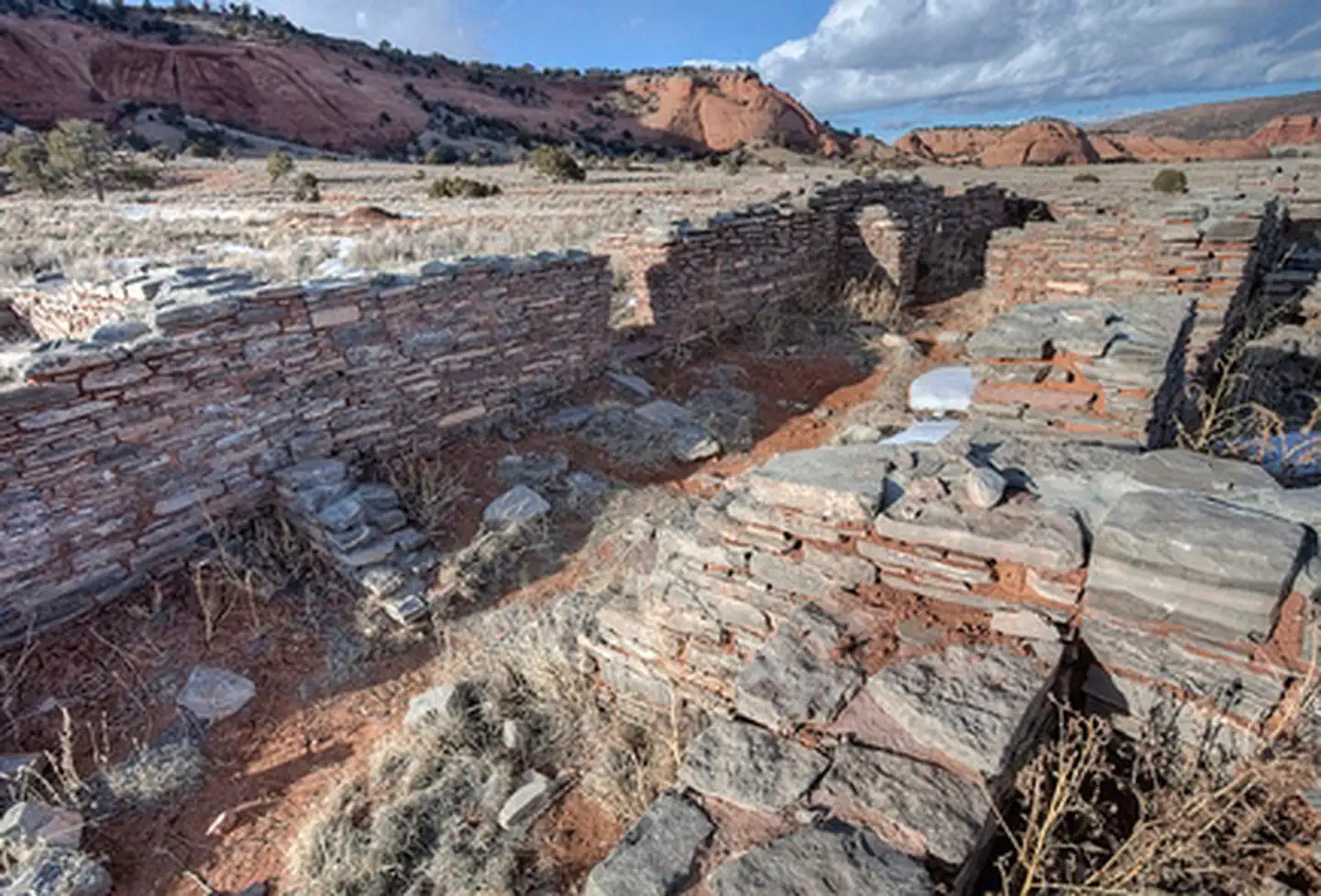
Archaeological remains include numerous stone structures.
These range from small habitation areas to larger complexes.
The distribution of structures suggests that Perry Mesa was not occupied by a single centralized community.
Instead, multiple settlements existed within a broader interconnected landscape.
Hilltop Settlement
The elevated location has encouraged interpretations involving defense and security.
However, defensive considerations were probably only one factor.
High places could also provide:
visibility;
social separation;
access to agricultural land;
symbolic importance;
and control over movement through surrounding valleys.
The architecture must therefore be interpreted within its broader environmental and social context.
Agriculture
Farmers cultivated maize and other crops.
Dry farming in the region required careful management of scarce moisture.
Farmers could take advantage of runoff and localized soil conditions.
Stone features may have helped manage erosion and water.
The agricultural system demonstrates detailed knowledge of desert environments.
Population Aggregation
One of Perry Mesa's most important archaeological characteristics is its concentration of settlements.
Aggregation can occur for several reasons.
People may gather because of:
environmental pressure;
warfare;
trade;
social opportunities;
religious activities;
population growth;
or changing political structures.
The precise combination of factors at Perry Mesa remains an area of research.
Warfare and Security
The fourteenth century was a period of significant social change throughout the Southwest.
Evidence from some sites suggests increased concern with security.
Elevated settlements can provide natural advantages against potential attacks.
However, archaeologists must distinguish between defensive architecture and architecture that merely happens to be located on high ground.
Not every hilltop settlement was a fortress.
Trade and Interaction
Perry Mesa communities interacted with neighboring populations.
Pottery styles and other artifacts demonstrate connections with broader cultural networks.
Exchange allowed communities to acquire materials not locally available.
It also transmitted ideas.
Abandonment
Perry Mesa settlements were eventually abandoned.
The abandonment forms part of broader fourteenth-century changes in central Arizona.
Environmental instability may have affected agricultural production.
Social conflict or changing regional networks may also have contributed.
As elsewhere in the Southwest, migration appears to have been an important response.
Indigenous Continuity
The people who lived at Perry Mesa were part of the long Indigenous history of Arizona.
Their departure from the mesa did not mean that their descendants disappeared.
Communities relocated and reorganized.
Modern Indigenous traditions preserve cultural connections to ancestral landscapes throughout the region.
Archaeological Significance
Perry Mesa is valuable because it allows archaeologists to study settlement at a regional scale.
Instead of examining one village in isolation, researchers can investigate:
settlement density;
agricultural areas;
water sources;
architecture;
movement;
and relationships among communities.
This makes Perry Mesa an important example of landscape archaeology.
Conclusion
Perry Mesa demonstrates that ancient Southwestern communities could respond to changing conditions by reorganizing settlement across entire landscapes.
Its hilltop villages reveal a society adapting to environmental uncertainty, population pressures, social change, and perhaps increased concerns about security.
The remains are particularly important because they show that ancient communities did not always organize themselves into centralized cities.
Instead, networks of villages could collectively create complex regional societies.
Perry Mesa is therefore best understood not as a collection of abandoned ruins, but as a dynamic landscape that once supported interconnected communities during one of the most transformative periods of Southwestern prehistory.