Introduction
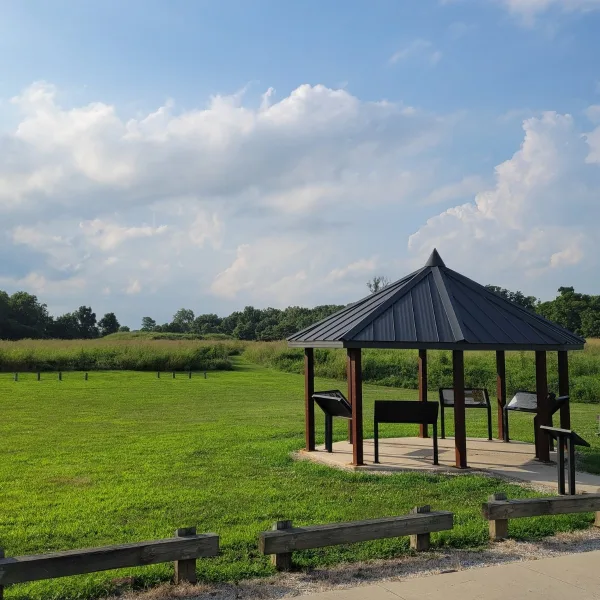
Located in southeastern Missouri, Hughes Mound is an important archaeological site associated with the Mississippian culture, dating between approximately 1000 and 1400 CE. Situated within the fertile floodplains of the Mississippi River, the settlement served as a regional ceremonial and political center connected to larger Mississippian communities such as Cahokia. The site included platform mounds, residential villages, storage facilities, and ceremonial spaces that illustrate the expansion of Mississippian culture throughout the central Mississippi Valley.
Settlement Layout
Hughes Mound was organized around a central ceremonial plaza bordered by one or more platform mounds. These earthen structures supported temples, council houses, and elite residences overlooking the surrounding village. Residential neighborhoods composed of rectangular wooden houses occupied the areas surrounding the ceremonial center.
Builders transported compacted clay and soil in woven baskets, gradually enlarging the platform mounds over multiple generations. Their elevated design protected important buildings from flooding while emphasizing political and religious authority.
Economy and Daily Life
Residents cultivated maize, beans, squash, and sunflowers while hunting deer, turkey, and fishing in nearby rivers. Storage pits preserved agricultural surpluses that supported specialized craftsmen and community leaders.
Potters manufactured shell-tempered ceramics, while artisans produced stone tools, bone implements, and shell ornaments. Long-distance trade brought marine shells, copper, and high-quality stone from distant regions, reflecting Hughes Mound's integration into the wider Mississippian exchange network.
Religion and Community Life
Religious ceremonies centered on temples built atop the platform mounds. Priests performed rituals honoring agricultural spirits, ancestors, and celestial forces, while the central plaza hosted public gatherings, seasonal festivals, communal feasts, and diplomatic meetings.
Artifacts recovered from the site display stylistic influences associated with the Southeastern Ceremonial Complex, demonstrating the community's participation in widespread religious traditions.
Archaeological Importance
Excavations have uncovered pottery, house remains, food remains, ceremonial objects, and construction phases of the platform mounds. These discoveries contribute significantly to understanding the spread of Mississippian culture into southeastern Missouri.
Conclusion
Hughes Mound illustrates the successful expansion of Mississippian civilization throughout the central Mississippi Valley. Its ceremonial architecture, organized settlement, thriving agriculture, and regional trade networks highlight the cultural sophistication of prehistoric communities in southeastern Missouri.