Introduction
Located near East Prairie, Missouri, Towosahgy State Historic Site preserves one of Missouri's finest examples of a Mississippian mound center. Occupied between approximately 1200 and 1400 CE, the settlement served as a regional political, ceremonial, and residential community connected to the broader Mississippian world. The name Towosahgy, meaning "old village" in the Osage language, reflects the site's ancient origins. Archaeologists have identified ten earthen mounds surrounding a large rectangular plaza enclosed by defensive walls, making Towosahgy one of Missouri's most significant prehistoric settlements.
Urban Planning and Earthworks
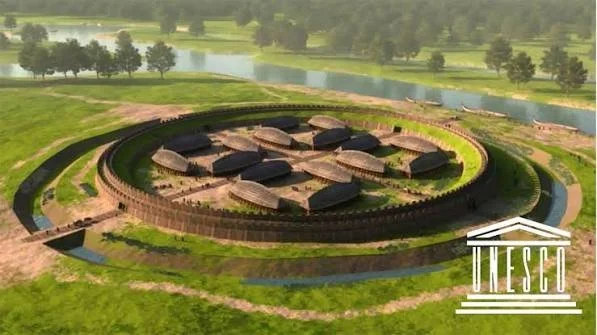
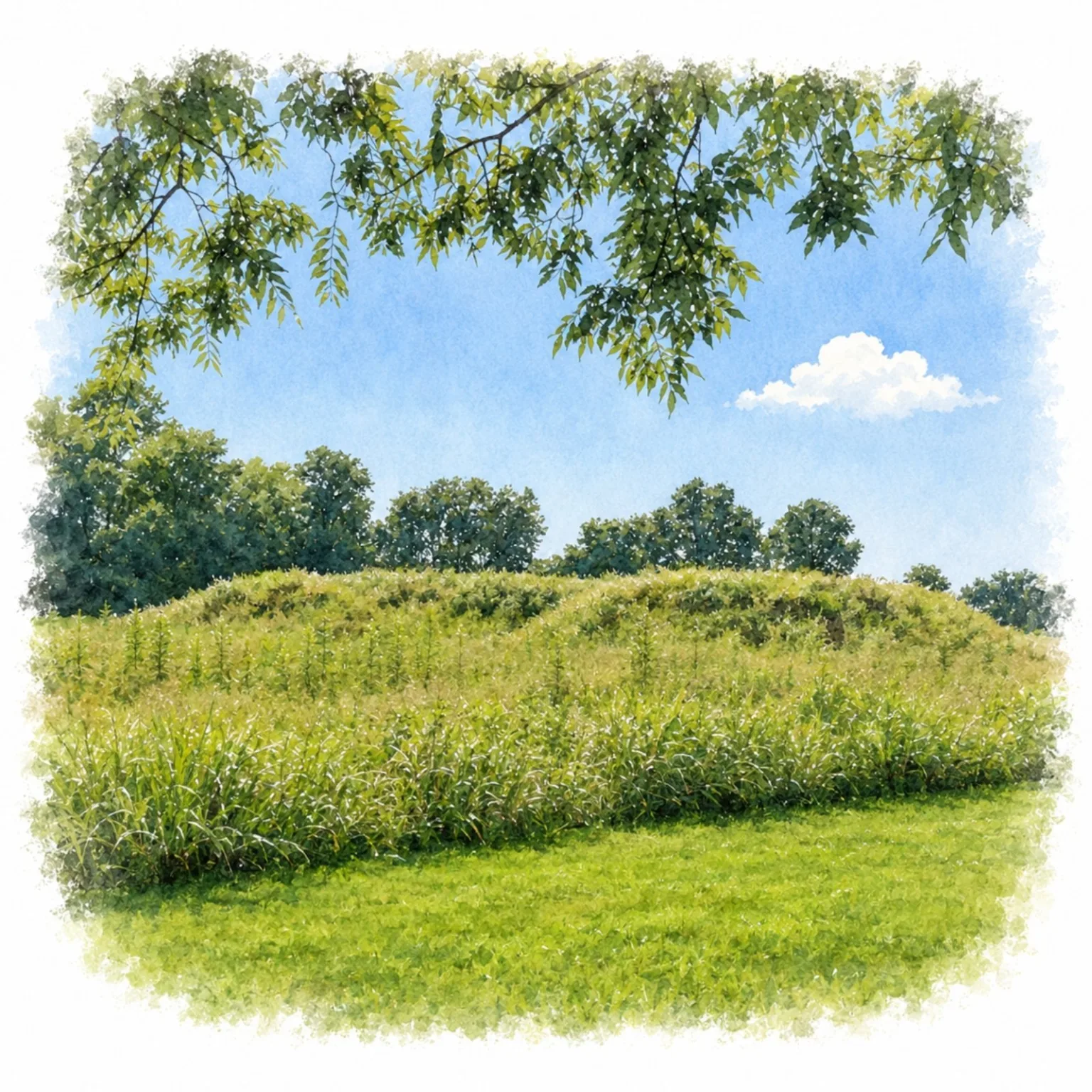
Towosahgy was carefully planned around a spacious central plaza bordered by ten platform mounds of varying sizes. The largest mound supported a temple or the residence of the ruling chief, while smaller mounds housed ceremonial structures, council houses, and elite residences.
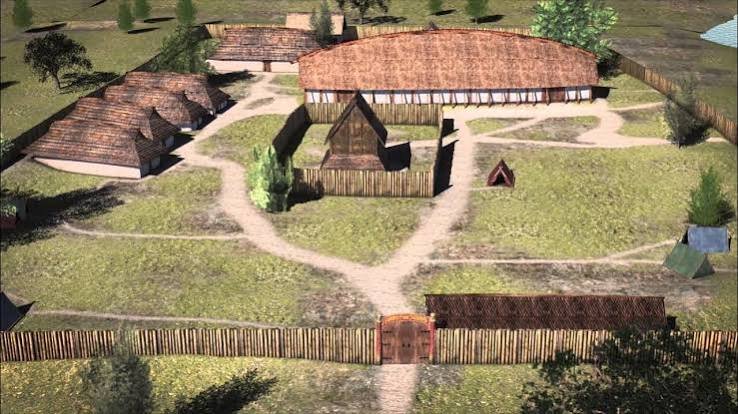
The settlement was protected by a wooden palisade with guarded gateways that enclosed the ceremonial center and nearby residential areas. Builders transported thousands of basket loads of earth to create the platform mounds, which were repeatedly enlarged as the community developed.
Agriculture and Economy
Residents cultivated maize, beans, squash, and sunflowers in the fertile Mississippi River floodplain. Hunting deer, turkey, and waterfowl, along with fishing, supplemented the agricultural economy.
Craft specialists produced shell-tempered pottery, chipped stone tools, shell ornaments, and bone implements. Trade connected Towosahgy with Cahokia and other Mississippian centers, facilitating the exchange of copper, marine shell, stone, and ceremonial goods.
Religion and Society
Temples atop the platform mounds served as sacred spaces where priests conducted ceremonies honoring ancestors and agricultural deities. The central plaza hosted religious festivals, athletic competitions, public assemblies, and communal feasts that strengthened social cohesion.
The site's architecture and ceremonial artifacts demonstrate participation in the broader Mississippian religious tradition shared across much of the southeastern United States.
Archaeological Importance
Excavations have revealed house foundations, defensive palisades, pottery workshops, storage pits, ceremonial buildings, and numerous artifacts that illustrate everyday life in a Mississippian town. Towosahgy remains one of Missouri's best-preserved prehistoric archaeological sites.
Conclusion
Towosahgy represents one of Missouri's most important Mississippian ceremonial centers, showcasing advanced urban planning, defensive engineering, monumental earthwork construction, and thriving agricultural communities. Its ten platform mounds and fortified layout demonstrate the remarkable political and religious organization of prehistoric Indigenous societies.