Introduction
Kinishba Pueblo, located in east-central Arizona near the White Mountains, is a major archaeological site that preserves evidence of a large prehistoric and protohistoric pueblo settlement.
The site is particularly valuable because it illustrates the complexity of cultural relationships in the Southwest. Its history cannot be reduced to a single group or a simple chronological sequence.
The ruins demonstrate how agricultural communities built substantial masonry settlements and participated in regional networks connecting different cultural traditions.
Architecture
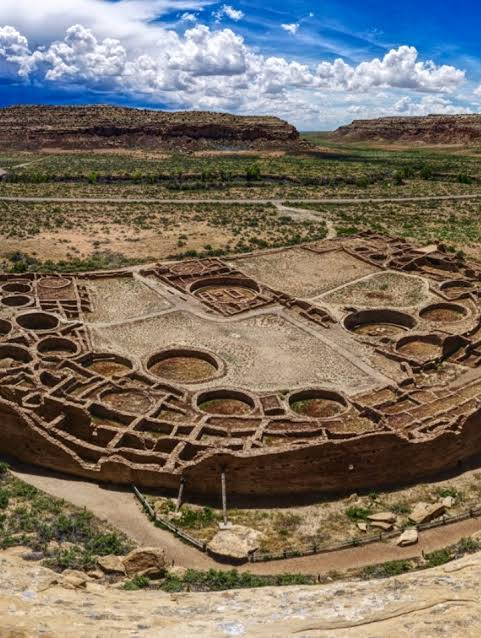
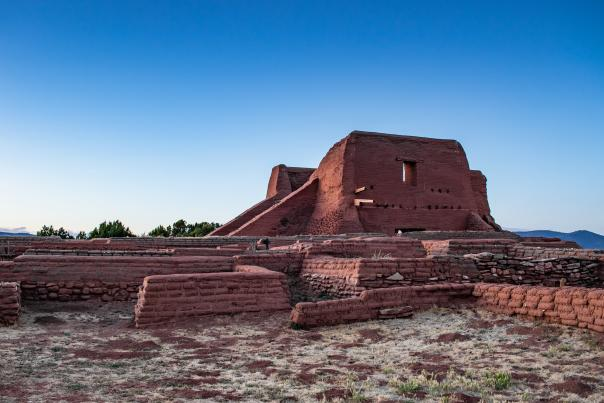
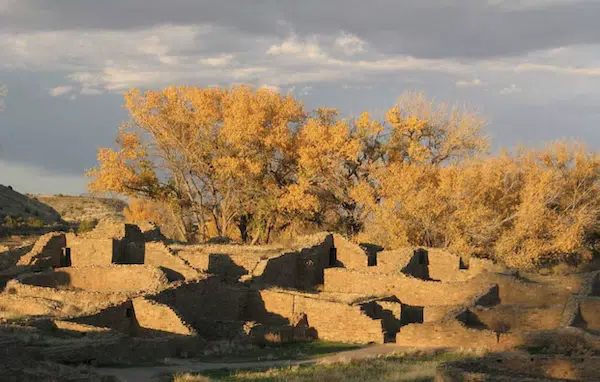
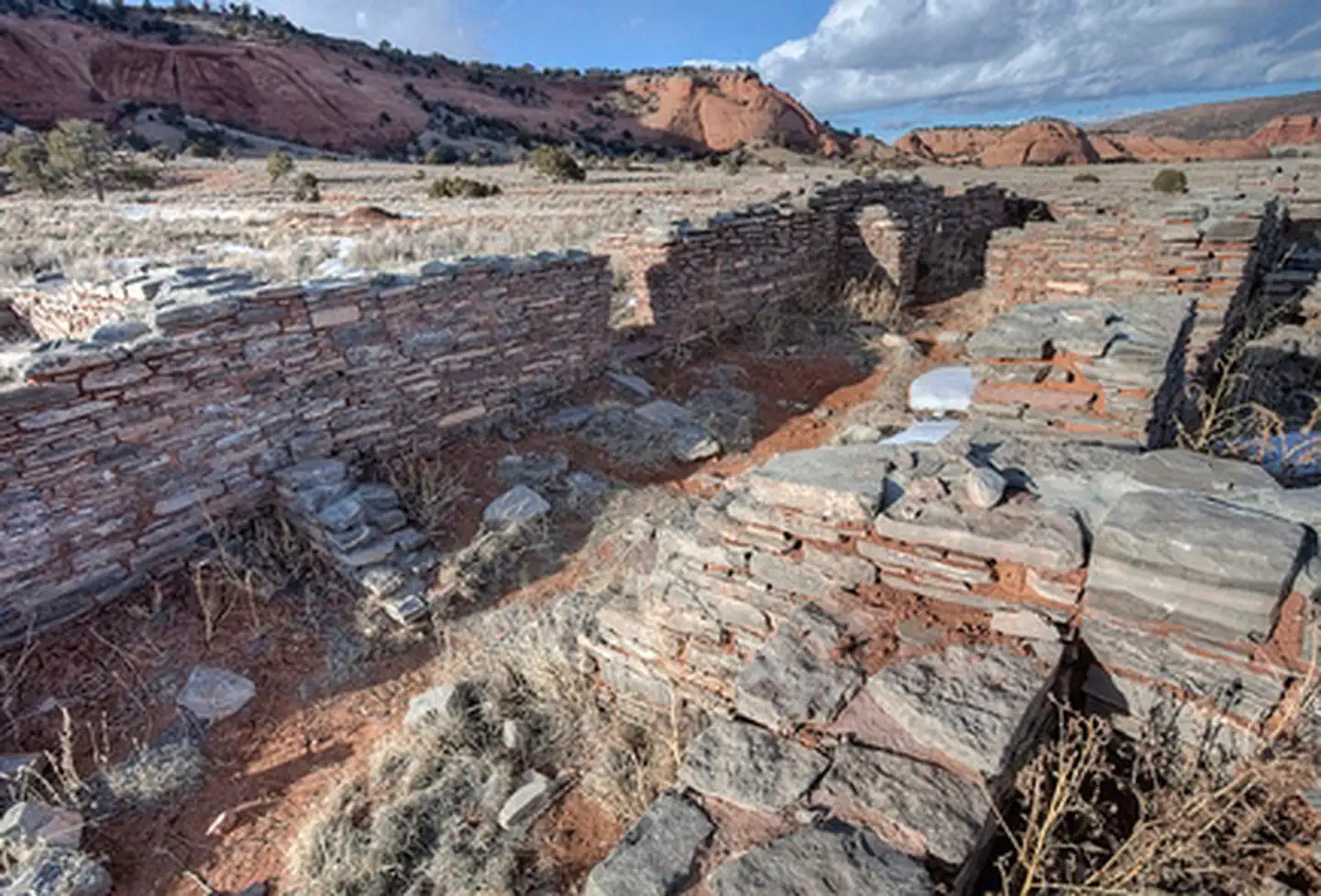
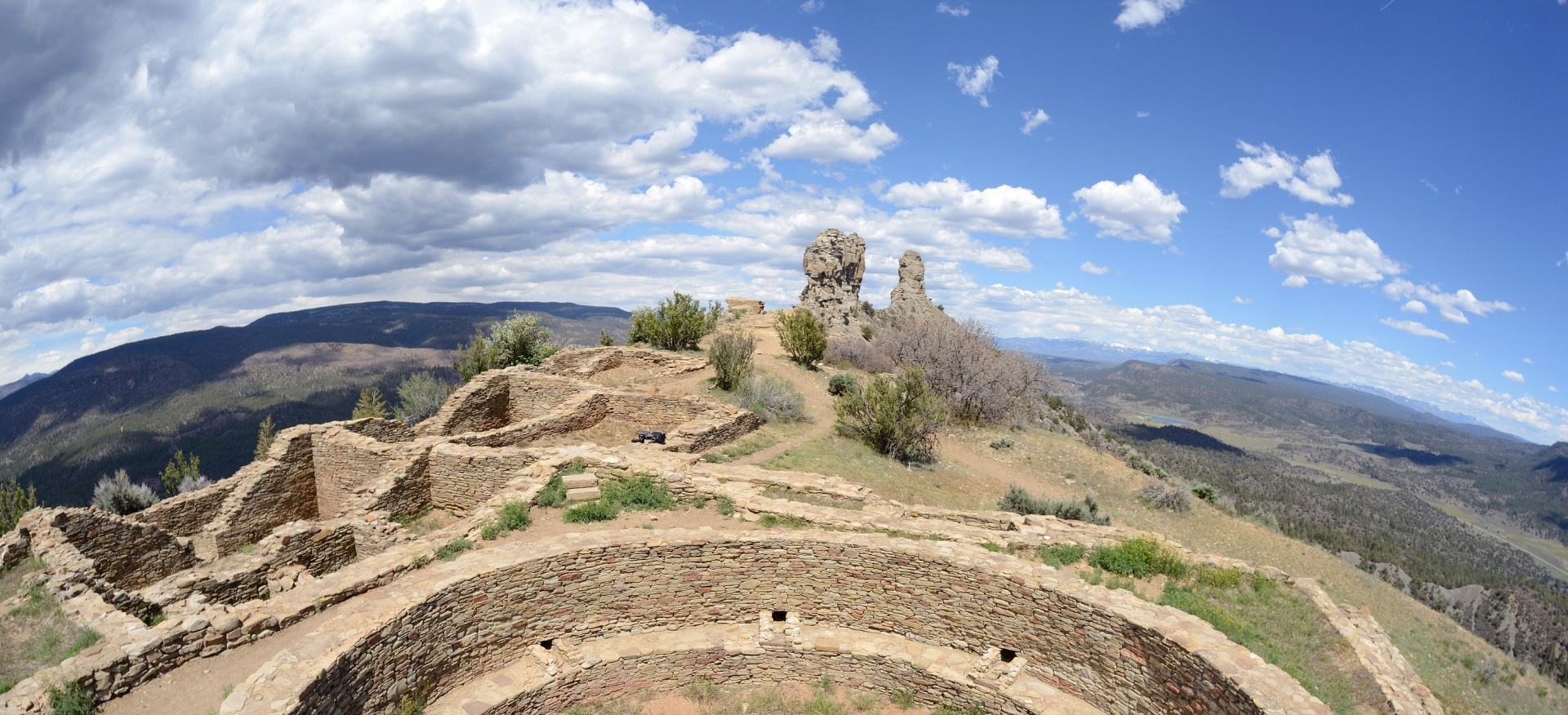
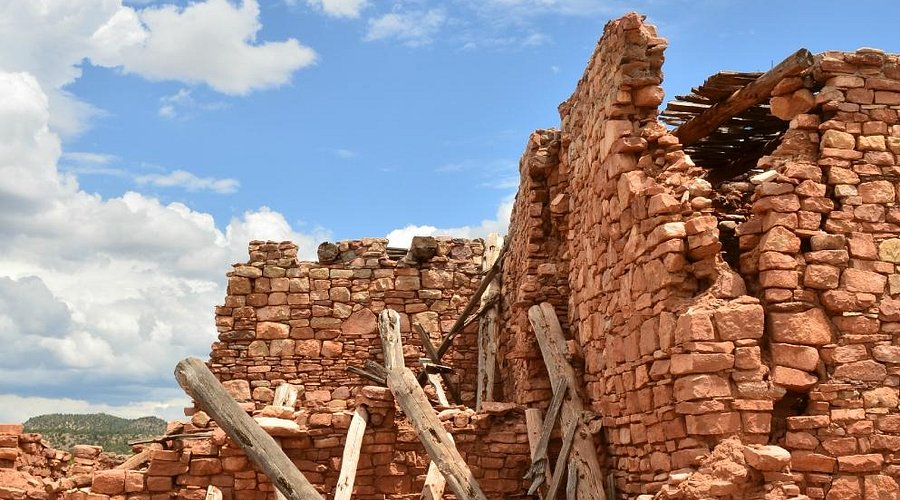
Kinishba consists of extensive masonry room blocks.
The buildings were constructed from stone and mortar, producing large multi-room complexes.
Such architecture required considerable planning.
Rooms were arranged into interconnected blocks, creating spaces for residence, storage, food preparation, craft production, and communal activities.
The scale of the settlement indicates that Kinishba was more than a temporary camp.
Agriculture and Daily Life
Like many prehistoric Southwestern communities, the inhabitants depended substantially on agriculture.
Corn, beans, squash, and other cultivated plants formed important components of the food economy.
Agriculture was supplemented by hunting and gathering.
The surrounding landscape provided wood, wild plants, game animals, and other resources.
This mixed economy was particularly important in an environment where rainfall could be unpredictable.
Cultural Connections
Kinishba is important for understanding cultural interaction.
Archaeologists identify similarities between material remains at the site and traditions found elsewhere in the Southwest.
Pottery styles, architecture, agricultural practices, and exchange goods can reveal relationships between communities.
However, archaeological labels should not automatically be interpreted as direct evidence for ethnic identity.
An archaeological culture is a scholarly classification based on material patterns. It does not necessarily correspond to the name or identity used by people who lived there.
The Western Apache Connection
The modern landscape around Kinishba is associated with Western Apache communities.
This creates an important distinction between archaeological interpretation and Indigenous history.
A site can have a long prehistoric history while also existing within landscapes that later became important to Apache peoples.
Archaeological research therefore needs to recognize that Southwestern landscapes have continuous and overlapping histories rather than belonging neatly to one ancient "culture."
Trade
Kinishba's location allowed it to participate in regional exchange.
Pottery, stone materials, shell, pigments, and other goods circulated across the Southwest.
Trade did more than move objects.
It also moved information.
Architectural ideas, artistic motifs, agricultural knowledge, and social practices could spread through interaction.
Why Kinishba Matters
Kinishba is particularly important because it demonstrates the scale and sophistication of prehistoric pueblo construction in a region sometimes overlooked in popular accounts of Southwestern archaeology.
The site provides evidence for permanent settlement, agricultural adaptation, architectural planning, and regional interaction.
Preservation
The preservation of Kinishba is important because masonry ruins are vulnerable to erosion and structural collapse.
Archaeological stabilization allows researchers and visitors to understand the settlement without reconstructing it into something that never existed.
Conclusion
Kinishba Pueblo demonstrates that the prehistoric Southwest contained numerous complex communities beyond the most famous sites.
Its architecture, agricultural economy, material culture, and later cultural connections reveal a landscape shaped by generations of human occupation.
Rather than treating Kinishba as a vanished civilization, it is more accurate to understand the site as part of a long history of Indigenous occupation and cultural transformation.