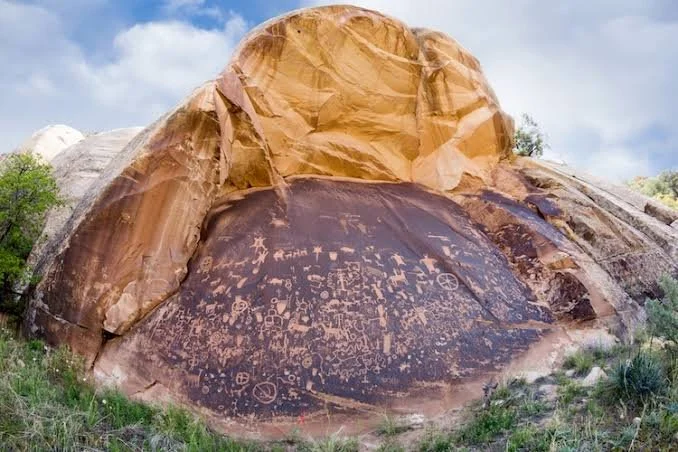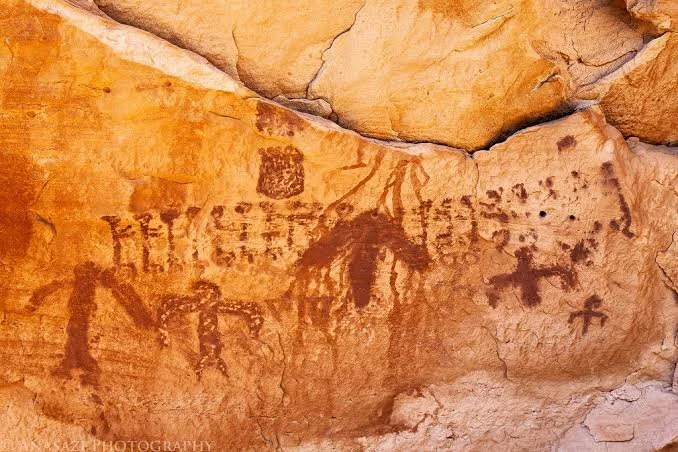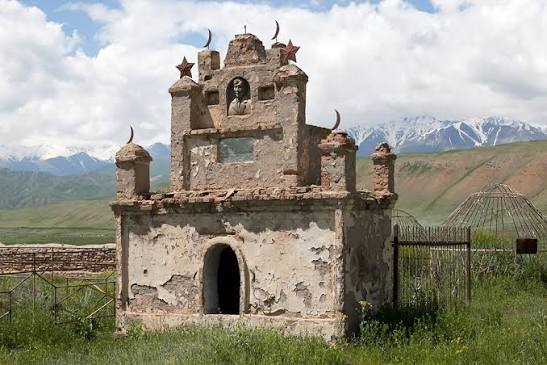
The highlands and steppe regions of Xinjiang contain archaeological evidence associated with many different ancient pastoral and nomadic communities. Among the most recognizable forms of archaeological monuments are kurgans, burial mounds constructed from combinations of earth, stone, and other materials.
The term “Kirghiz tombs” is often connected with burial traditions associated with Kyrgyz or related Turkic-speaking populations in the broader region. However, archaeological identification must be approached carefully because a particular mound cannot automatically be assigned to a specific ethnic group solely on the basis of its location or shape.
Kurgans were used by many populations across Eurasia over thousands of years.
What Is a Kurgan?
A kurgan is generally a burial mound constructed above or around a grave.
The structure could range from a small mound to a large monument.
Construction methods varied.
A kurgan might contain:
earth,
stones,
wooden structures,
grave chambers,
and associated objects.
The size and complexity of the mound could depend on local traditions and available resources.
Burial Mounds Across Eurasia
Kurgan traditions developed across vast regions of the Eurasian steppe.
Archaeological examples exist from areas stretching across:
Central Asia,
Siberia,
Kazakhstan,
Mongolia,
southern Russia,
and other regions.
Because the tradition was geographically widespread and continued for long periods, identifying the builders of an individual kurgan requires detailed archaeological evidence.
The Kyrgyz and the Central Asian Landscape
Kyrgyz populations became important participants in the history of Inner Asia.
Their historical development was connected with the movement of pastoral communities across steppe and mountain environments.
Xinjiang's geography—including high mountains, grasslands, and desert margins—created landscapes suitable for mobile pastoralism.
Communities could move animals seasonally between grazing areas.
Pastoral Life
Pastoral economies depended heavily on domesticated animals.
Herds could provide:
meat,
milk,
wool,
hides,
transport,
and other resources.
The seasonal movement of herds required detailed knowledge of:
water sources,
grazing conditions,
weather,
and mountain routes.
Nomadic or semi-nomadic life was therefore highly organized rather than random movement.
What Can a Tomb Reveal?
A burial mound can provide information about:
funerary practices,
technology,
diet,
animal use,
trade,
and social organization.
Archaeologists examine the position of human remains and the objects associated with them.
These may include:
weapons,
horse equipment,
jewelry,
ceramics,
and animal remains.
However, interpretation requires caution.
The presence of an object does not automatically reveal the occupation or social status of the deceased.
Horses and Steppe Societies
Horses played an important role in many Central Asian societies.
They could be used for:
transportation,
herding,
communication,
hunting,
and warfare.
Horse equipment discovered in burials can therefore provide important evidence about technological and cultural practices.
The relationship between humans and horses was central to the history of the Eurasian steppe.
Kurgans as Monuments
A burial mound was visible within the landscape.
This visibility may have given it social importance.
A community could create a monument that remained recognizable long after the burial ceremony ended.
Kurgans may therefore have contributed to:
collective memory,
territorial identity,
ancestry,
and the relationship between communities and landscapes.
The exact meaning varied between societies.
Archaeology and Ethnic Identity
One of the major challenges in Central Asian archaeology is the relationship between material culture and ethnic identity.
Archaeologists cannot simply assume that:
one type of pottery = one ethnic group
or that:
one burial style = one language or population.
Communities could share technologies and burial customs.
People also migrated, intermarried, traded, and adopted cultural practices.
For this reason, identifying a tomb as “Kyrgyz” requires multiple forms of evidence, including chronology and historical context.
Why These Tombs Matter
Ancient burial monuments in Xinjiang demonstrate the long history of human movement through Central Asia.
They provide evidence for societies that adapted to mountain and steppe environments through pastoralism, mobility, and regional exchange.
The archaeological record helps reconstruct histories that often predate extensive written documentation.
Conclusion
The kurgans associated with the ancient pastoral landscapes of Xinjiang represent an important part of Central Asia's archaeological heritage.
These burial monuments provide evidence of communities whose lives were connected with animals, mobility, mountains, and the open steppe.
At the same time, they demonstrate the importance of careful interpretation.
A burial mound can reveal extraordinary details about ancient life, but identifying its builders requires more than assigning a modern ethnic name to an ancient archaeological structue