Introduction
Lapakahi is one of Hawaiʻi's most important archaeological landscapes for understanding traditional Hawaiian settlement and subsistence.
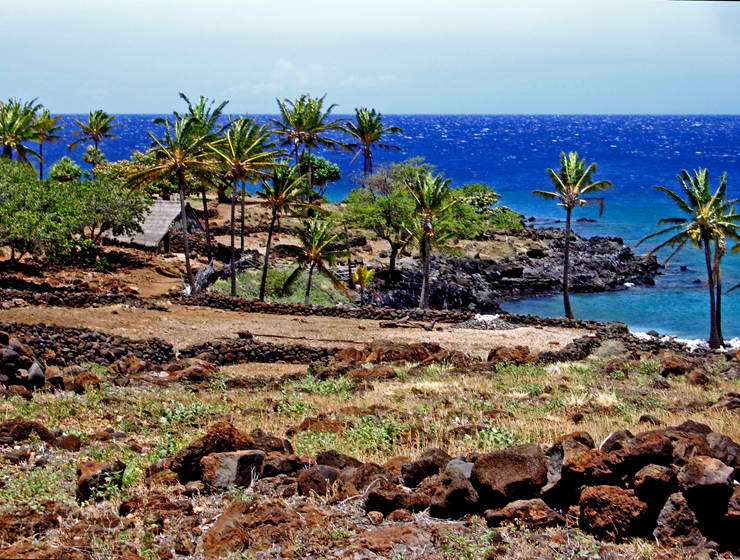
Located on the northwestern coast of Hawaiʻi Island, the area preserves evidence of a community that adapted to a relatively dry environment.
Unlike the lush volcanic landscapes often associated with Hawaiʻi, northern Kohala contains areas where freshwater and agricultural resources were limited.
Lapakahi therefore demonstrates how Hawaiian communities adapted their settlement strategies to environmental constraints.
Settlement Organization
The archaeological landscape includes evidence of:
residential structures;
agricultural areas;
trails;
religious sites;
fishing installations;
storage features;
work areas.
This demonstrates that the settlement was organized around multiple economic activities.
Dryland Agriculture
Agriculture in dry environments requires careful resource management.
Hawaiian farmers cultivated crops including:
sweet potato;
taro where conditions permitted;
bananas;
sugar cane;
gourds;
other plants.
Sweet potato was particularly suitable for relatively dry environments.
Stone Features
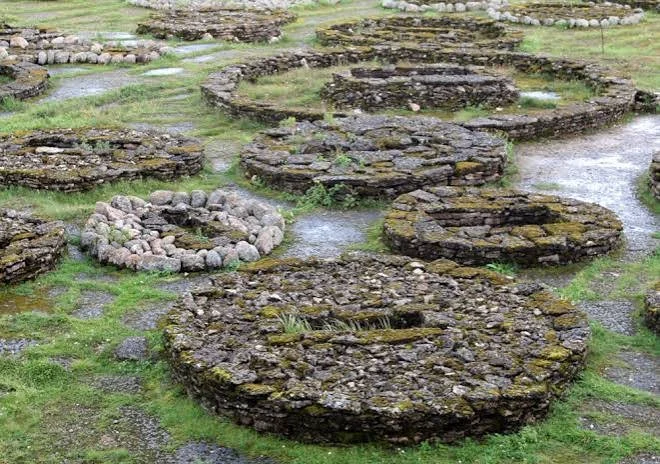
Lapakahi contains numerous stone structures.
These include:
house foundations;
walls;
terraces;
platforms;
field boundaries.
Stone was readily available from the volcanic landscape and became an essential construction material.
Fishing
The coastal environment provided another major source of food.
Fishing methods included:
hook-and-line fishing;
netting;
trapping;
shoreline gathering.
Archaeological fish remains provide evidence of dietary practices.
Social Organization
Household remains can reveal differences in activities and access to resources.
However, archaeologists must be careful when assigning social status solely on architectural size.
Hawaiian communities had complex systems of kinship, rank, land use, and political authority.
Religious Sites
The settlement landscape included structures associated with traditional Hawaiian religious practices.
These demonstrate that religion was embedded within daily life.
Sacred sites could be associated with:
ancestors;
agricultural productivity;
fishing;
household protection;
community ceremonies.
Environmental Adaptation
Lapakahi is particularly valuable because it illustrates how people modified their activities according to environmental conditions.
The community did not simply depend on abundant natural resources.
Instead, residents combined agriculture, fishing, gathering, construction, and water management.
Archaeological Preservation
Because many structures were constructed from stone, substantial archaeological remains survive.
Researchers can therefore reconstruct settlement organization more effectively than at sites dominated by organic architecture.
Conclusion
Lapakahi provides an exceptional example of Hawaiian environmental adaptation.
Its archaeological record demonstrates how communities developed sophisticated systems for living, farming, fishing, worshipping, and organizing social life in a relatively dry coastal environment.Introduction
Lapakahi is one of Hawaiʻi's most important archaeological landscapes for understanding traditional Hawaiian settlement and subsistence.
Located on the northwestern coast of Hawaiʻi Island, the area preserves evidence of a community that adapted to a relatively dry environment.
Unlike the lush volcanic landscapes often associated with Hawaiʻi, northern Kohala contains areas where freshwater and agricultural resources were limited.
Lapakahi therefore demonstrates how Hawaiian communities adapted their settlement strategies to environmental constraints.
Settlement Organization
The archaeological landscape includes evidence of:
residential structures;
agricultural areas;
trails;
religious sites;
fishing installations;
storage features;
work areas.
This demonstrates that the settlement was organized around multiple economic activities.
Dryland Agriculture
Agriculture in dry environments requires careful resource management.
Hawaiian farmers cultivated crops including:
sweet potato;
taro where conditions permitted;
bananas;
sugar cane;
gourds;
other plants.
Sweet potato was particularly suitable for relatively dry environments.
Stone Features
Lapakahi contains numerous stone structures.
These include:
house foundations;
walls;
terraces;
platforms;
field boundaries.
Stone was readily available from the volcanic landscape and became an essential construction material.
Fishing
The coastal environment provided another major source of food.
Fishing methods included:
hook-and-line fishing;
netting;
trapping;
shoreline gathering.
Archaeological fish remains provide evidence of dietary practices.
Social Organization
Household remains can reveal differences in activities and access to resources.
However, archaeologists must be careful when assigning social status solely on architectural size.
Hawaiian communities had complex systems of kinship, rank, land use, and political authority.
Religious Sites
The settlement landscape included structures associated with traditional Hawaiian religious practices.
These demonstrate that religion was embedded within daily life.
Sacred sites could be associated with:
ancestors;
agricultural productivity;
fishing;
household protection;
community ceremonies.
Environmental Adaptation
Lapakahi is particularly valuable because it illustrates how people modified their activities according to environmental conditions.
The community did not simply depend on abundant natural resources.
Instead, residents combined agriculture, fishing, gathering, construction, and water management.
Archaeological Preservation
Because many structures were constructed from stone, substantial archaeological remains survive.
Researchers can therefore reconstruct settlement organization more effectively than at sites dominated by organic architecture.
Conclusion
Lapakahi provides an exceptional example of Hawaiian environmental adaptation.
Its archaeological record demonstrates how communities developed sophisticated systems for living, farming, fishing, worshipping, and organizing social life in a relatively dry coastal environment.