• MAIN PAGE
  • LATEST NEWS
    • Lost Cities
    • Archaeology's Greatest Finds
    • Underwater Discoveries
    • Greatest Inventions
    • Studies
    • Blog
  • PHILOSOPHY
  • HISTORY
  • RELIGIONS
    • Africa
    • Anatolia
    • Arabian Peninsula
    • Balkan Region
    • China - East Asia
    • Europe
    • Eurasian Steppe
    • Levant
    • Mesopotamia
    • Oceania - SE Asia
    • Pre-Columbian Civilizations of America
    • Iranian Plateau - Central Asia
    • Indus Valley - South Asia
    • Japan
    • The Archaeologist Editor Group
    • Scientific Studies
    • Aegean Prehistory
    • Historical Period
    • Byzantine Middle Ages
    • Predynastic Period
    • Dynastic Period
    • Greco-Roman Egypt
  • Rome
  • PALEONTOLOGY
  • About us
Menu

The Archaeologist

  • MAIN PAGE
  • LATEST NEWS
  • DISCOVERIES
    • Lost Cities
    • Archaeology's Greatest Finds
    • Underwater Discoveries
    • Greatest Inventions
    • Studies
    • Blog
  • PHILOSOPHY
  • HISTORY
  • RELIGIONS
  • World Civilizations
    • Africa
    • Anatolia
    • Arabian Peninsula
    • Balkan Region
    • China - East Asia
    • Europe
    • Eurasian Steppe
    • Levant
    • Mesopotamia
    • Oceania - SE Asia
    • Pre-Columbian Civilizations of America
    • Iranian Plateau - Central Asia
    • Indus Valley - South Asia
    • Japan
    • The Archaeologist Editor Group
    • Scientific Studies
  • GREECE
    • Aegean Prehistory
    • Historical Period
    • Byzantine Middle Ages
  • Egypt
    • Predynastic Period
    • Dynastic Period
    • Greco-Roman Egypt
  • Rome
  • PALEONTOLOGY
  • About us

Lasers turn back time on Rome’s Column of Marcus Aurelius

December 19, 2025

ROME, Dec. 18 — Much like cosmetic specialists use lasers to erase wrinkles, archaeologists in Rome are directing focused light at the past, stripping away years of buildup from one of the city’s most iconic landmarks.

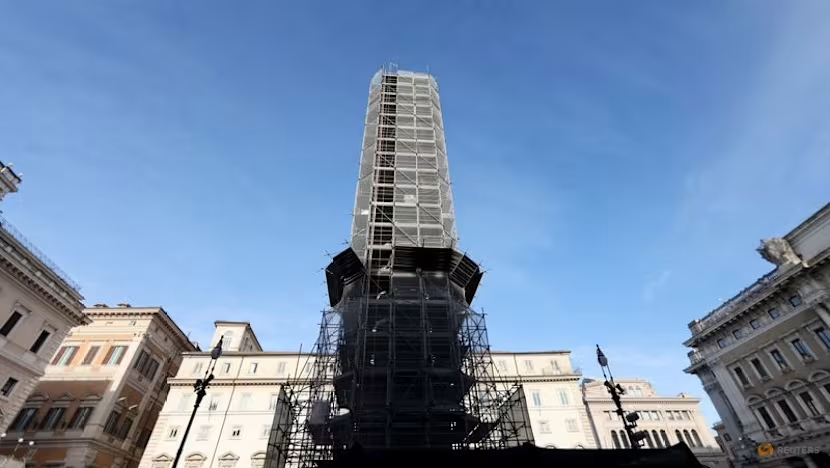
Conservators are employing laser technology on an unprecedented scale in Italy to clear accumulated grime from the Column of Marcus Aurelius, an 1,840-year-old monument honoring the emperor’s military campaigns against tribes along the Danube.

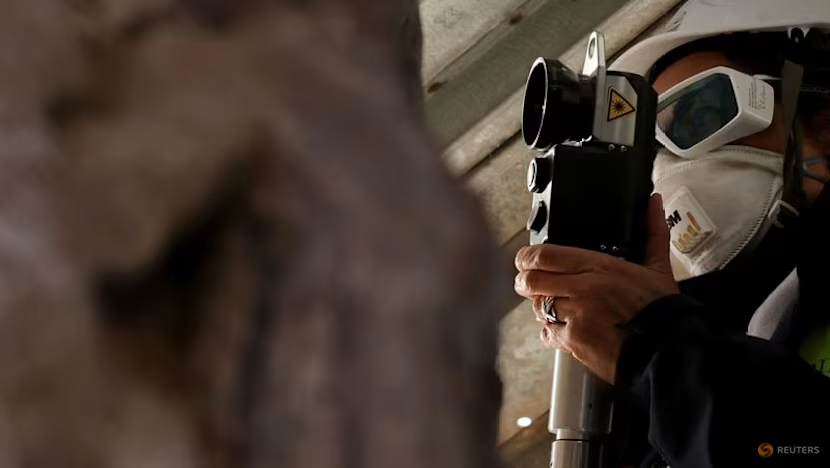
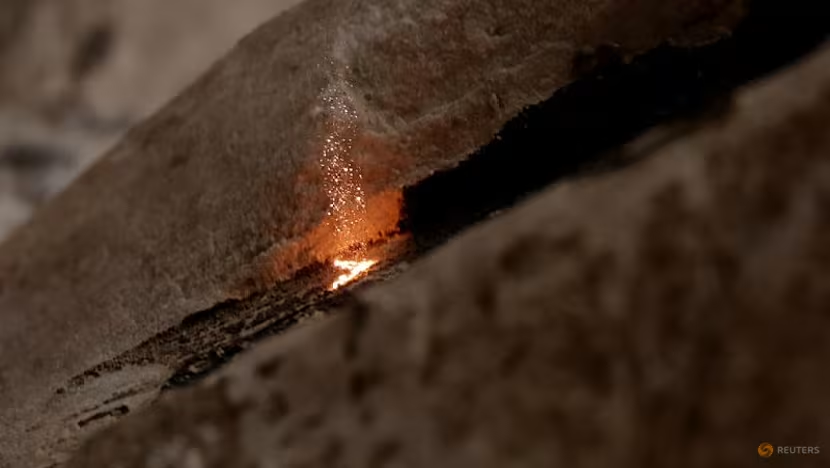
Using handheld devices, restorers aim pulsating laser beams at the stone surface. The heat produced removes dark layers of pollution, gradually exposing the bright Carrara marble underneath.

“It works on the same principle as medical laser treatments used to remove unwanted hair or skin,” explained Marta Baumgartner, the project’s chief architect.

“The results have been outstanding, which is why we decided to apply this technique to the entire exterior frieze of the column.”

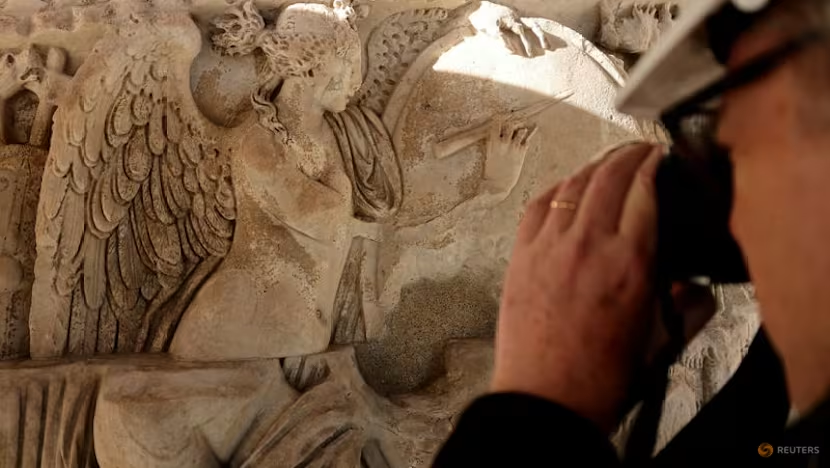
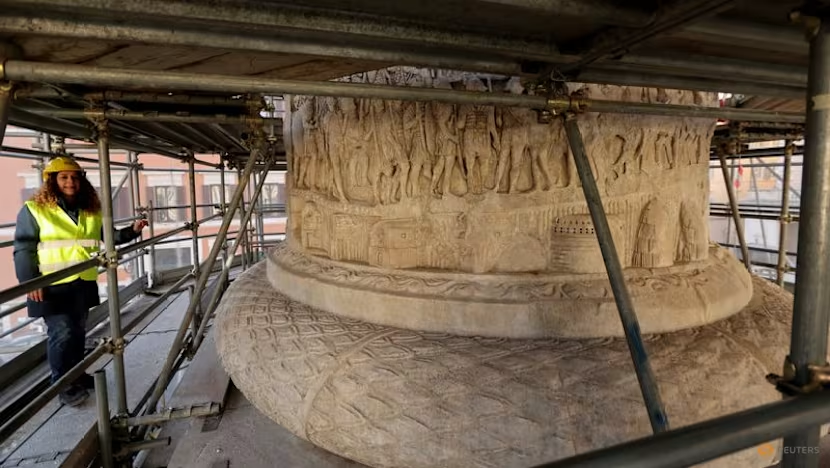
Created around AD 180, the spiral relief winds 23 times around the column, reaching nearly 40 meters (130 feet) high and featuring over 2,000 carved figures, including deities, soldiers, animals, and repeated portrayals of Emperor Aurelius himself.

The carvings vividly portray the brutality of war and offer scholars crucial insights into Roman history. Scenes show executions, beheadings, and civilians being forcibly taken captive.

Unlike many ancient structures that have vanished from this part of Rome, the column still stands in its original location. Today, it overlooks the official residence of Prime Minister Giorgia Meloni, with Italy’s parliament close by.

The restoration began in March and is expected to conclude early next year, with a budget of 2 million euros ($2.3 million). The funding comes from low-interest loans and grants provided by the European Union as part of Italy’s COVID-19 recovery efforts.

“Securing this level of funding made the project an opportunity we simply could not pass up,” Baumgartner said.

The first restoration was undertaken in the late 1500s under Pope Sixtus V, who replaced the original statue of Marcus Aurelius at the top with one of St. Paul, which still crowns the column today.

The most recent cleaning took place in the 1980s, but exposure to time and weather continues to cause damage. Conservators have identified areas where the marble is beginning to separate, making immediate stabilization necessary.

← Colossal Statues of Ancient Pharoah Stand Again in Luxor After 30 Years of WorkLigament clues refine picture of how early hominins moved →
Featured
image_2025-12-19_225650954.png
Dec 19, 2025
Geological Surveys in Mongolia Uncover 3,000-Year-Old Nomadic Khirgisuur Burial Mounds
Dec 19, 2025
Read More →
Dec 19, 2025
image_2025-12-19_225350450.png
Dec 19, 2025
A trove of precious material
Dec 19, 2025
Read More →
Dec 19, 2025
image_2025-12-19_222925951.png
Dec 19, 2025
From Macedon to the Alps: Two of Switzerland’s Oldest Celtic Gold Coins Discovered in Arisdorf
Dec 19, 2025
Read More →
Dec 19, 2025
image_2025-12-19_221610560.png
Dec 19, 2025
Memorial award honouring York historian Florence E. Wright
Dec 19, 2025
Read More →
Dec 19, 2025
image_2025-12-19_221219427.png
Dec 19, 2025
Archaeologists Found Evidence of a 7,000-Year-Old Sunken City
Dec 19, 2025
Read More →
Dec 19, 2025
image_2025-12-19_220516520.png
Dec 19, 2025
If Mount Vesuvius Erupted in August, Why Were Pompeii Victims Wearing Heavy Wool Garments?
Dec 19, 2025
Read More →
Dec 19, 2025
read more

Powered by The archaeologist