Introduction
Tissø was an important Viking Age settlement and elite center located near a lake on the Danish island of Zealand.
The site is particularly valuable because it combines evidence for aristocratic residence, craft production, religious activity, agriculture, and long-distance trade.
Tissø demonstrates that Viking Age power was not concentrated exclusively in fortified towns.
Elite centers could also develop within rural landscapes.
The Lake Setting
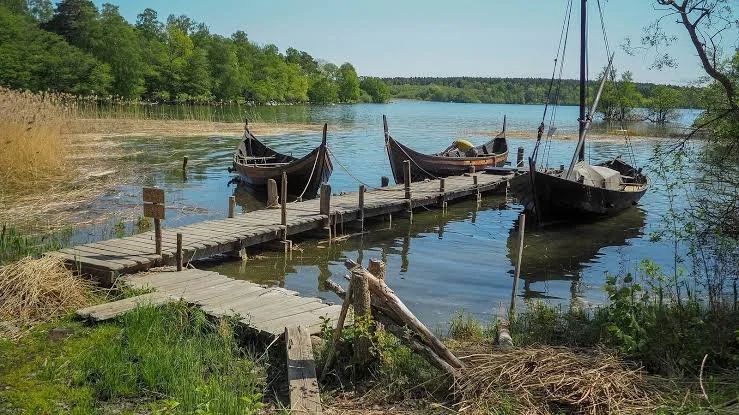
The settlement was situated beside Lake Tissø.
Water provided transportation, food resources, and symbolic significance.
The lake could also serve as a natural boundary around which settlement and ritual activities developed.
The Elite Residence
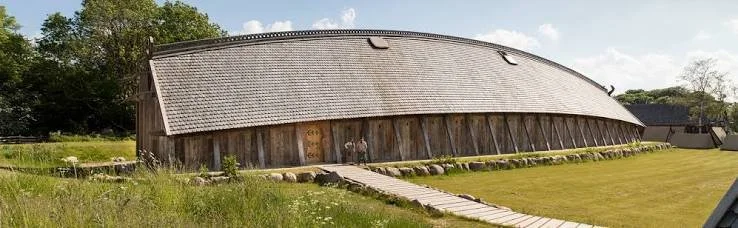
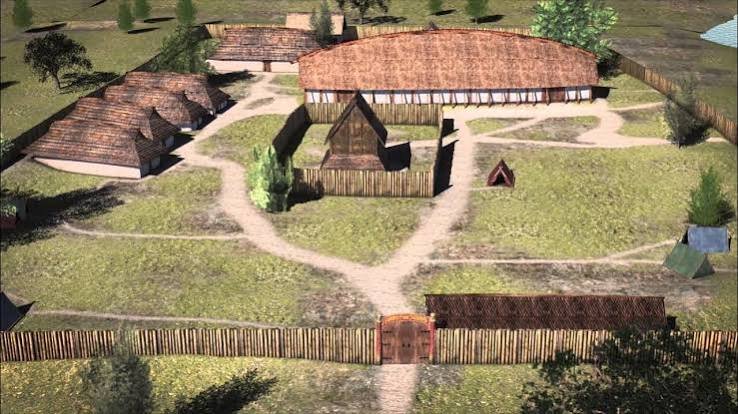
Archaeological discoveries indicate the presence of a large elite hall.
The building was probably associated with a powerful local ruler or aristocratic family.
Such halls were centers of political and social life.
Craft Production
Tissø was an important manufacturing center.
Archaeologists have discovered evidence of:
metalworking;
jewelry production;
weapon manufacture;
textile production;
bone and antler working.
Craft specialization indicates that elite households could support skilled workers.
International Trade
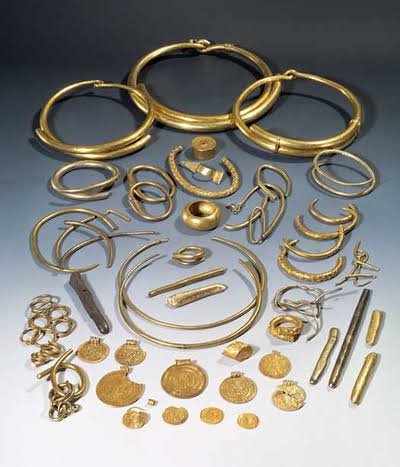
Imported artifacts demonstrate contact with distant regions.
Luxury objects from continental Europe and other Scandinavian areas reached Tissø.
The site therefore participated in broader commercial networks.
Religion
Tissø is particularly important for understanding Viking religious practices.
Deposits of valuable objects in and around the lake have been interpreted in connection with ritual activity.
Water played a major role in many ancient religious traditions.
Objects deposited in lakes may have been offerings to supernatural powers.
Elite Power
The combination of a large hall, workshops, wealth, and ritual evidence suggests that Tissø was a major center of authority.
The ruler associated with the site could command labor and access to trade networks.
Rural Kingship
Tissø demonstrates that Viking Age political power did not require urban living.
An elite center could control surrounding agricultural communities while maintaining international connections.
The hall was the political heart of a wider landscape.
Archaeological Importance
Tissø helps archaeologists reconstruct the relationship between:
agriculture;
craft production;
trade;
religion;
political authority.
These systems were interconnected.
Conclusion
Tissø was an important Viking Age elite settlement where political authority, craftsmanship, commerce, and religion converged.
Its lakeside location and ritual deposits make it especially valuable for studying Viking belief systems, while its workshops and imported objects reveal extensive economic connections.
Tissø demonstrates that Viking Age Denmark consisted of a network of elite centers, farms, trading towns, religious sites, and military installations.
Its archaeological remains provide a detailed picture of how power operated within the Scandinavian countryside.