The ancient kingdom of Loulan was one of the most strategically important settlements in the history of the eastern Silk Road. Located near the northeastern edge of the Tarim Basin, Loulan occupied a position where routes connecting China with Central Asia passed through an extremely difficult desert environment.
For centuries, the kingdom served as a point of contact between different cultures, languages, political powers, and commercial networks.
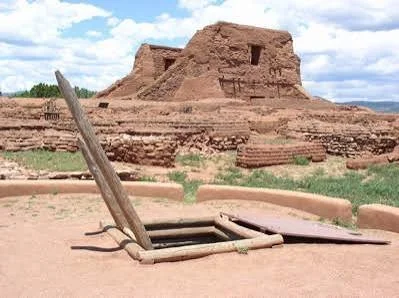
Today, the ruins of Loulan stand in an arid landscape that demonstrates how dramatically environmental change can transform human settlements.
The Strategic Location of Loulan
Travel across the Tarim Basin was shaped by geography.
The vast Taklamakan Desert was difficult to cross directly, so long-distance routes generally followed chains of oases and waterways.
Loulan occupied a strategically valuable location near ancient routes associated with the Lop Nur region.
Travelers moving between eastern China and Central Asia could pass through or near this region.
As a result, Loulan became important for:
trade,
taxation,
diplomacy,
military movement,
and communication.
Loulan and the Silk Road
The term “Silk Road” describes a network rather than a single road.
Goods, people, technologies, and ideas moved through multiple interconnected routes.
Loulan occupied a position within these networks.
Products moving across Eurasia included:
silk,
textiles,
horses,
metals,
spices,
glass,
and other valuable materials.
However, the movement of ideas was equally important.
Religious traditions, artistic styles, languages, and administrative practices also traveled through Central Asia.
A Multicultural Frontier
Archaeological and historical evidence demonstrates that the communities of the Tarim Basin were culturally diverse.
Different languages and writing systems appeared in the region over time.
Loulan became connected with wider political developments involving Chinese dynasties and Central Asian powers.
Its location made it valuable but also vulnerable.
Control over an oasis settlement could influence the movement of travelers and the security of trade routes.
The Role of Water
The survival of Loulan depended on water.
In an arid environment, settlements could flourish only where rivers, lakes, or irrigation systems provided reliable resources.
Changes in waterways could therefore have catastrophic consequences.
Environmental shifts affecting the Lop Nur region likely contributed to the decline and eventual abandonment of settlements associated with Loulan.
Why Loulan Was Abandoned
The disappearance of Loulan has fascinated historians and archaeologists.
The decline was likely connected to environmental changes, particularly shifts in water systems that affected the region.
Without sufficient water, agriculture and permanent settlement became increasingly difficult.
Trade routes may also have shifted toward other corridors.
The decline of a city is rarely caused by only one factor.
Environmental change, political instability, economic transformation, and changes in transportation routes can interact over time.
Archaeological Discoveries
Archaeological work in the Loulan region has revealed evidence of:
buildings,
administrative documents,
textiles,
household objects,
and other materials.
Written documents are particularly valuable because they provide direct evidence of administration and daily life.
They demonstrate that the region was connected to wider systems of literacy and governance.
Life on the Edge of the Desert
The inhabitants of Loulan lived in a challenging environment.
Daily survival required careful management of:
water,
food,
agriculture,
and trade connections.
Yet the city also benefited from its strategic location.
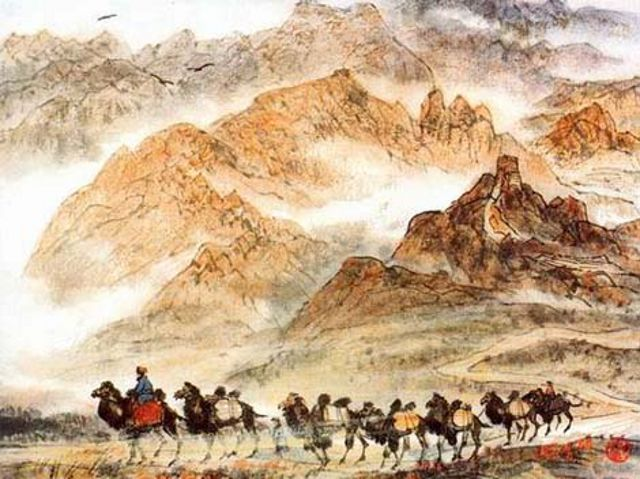
Caravans traveling through the region needed places to rest, obtain supplies, and exchange goods.
This created economic opportunities for oasis settlements.
Loulan as a Meeting Point of Civilizations
The historical importance of Loulan lies partly in its role as a cultural crossroads.
The city existed between major regions of Eurasia.
Influences from East Asia, Central Asia, South Asia, and the wider western world could reach the Tarim Basin through networks of movement and exchange.
Loulan demonstrates that the Silk Road was not merely a route for luxury goods.
It was a system through which cultures interacted and changed one another.
The Modern Archaeological Landscape
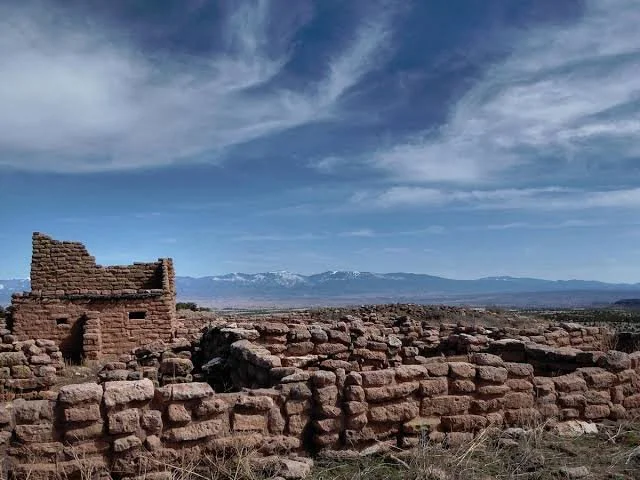
Today, the ruins of Loulan are surrounded by an environment very different from the flourishing settlement that once existed there.
Wind and desert conditions have affected the surviving structures.
The site is also vulnerable to environmental damage and human disturbance.
Archaeological conservation is therefore essential.
Conclusion
Loulan Kingdom was one of the great oasis centers of the eastern Silk Road. Its strategic location allowed it to participate in long-distance networks connecting China with Central Asia and beyond.
Yet Loulan's history also demonstrates the vulnerability of human settlements in arid environments.
The same waterways that allowed the kingdom to flourish could shift or disappear, transforming a once-important settlement into ruins surrounded by desert.
Today, Loulan remains a powerful symbol of the interconnected history of Eurasia and the ability of environmental change to reshape civilizations.