A remarkable scientific discovery on the island of New Guinea has revealed that two marsupial species known only from ancient fossils are actually still alive. The finding pushes the limits of what scientists thought possible about extinct animals returning to the modern world.
The two species—Pygmy Long‑Fingered Possum (Dactylonax kambuayai) and Ring‑Tailed Glider (Tous ayamaruensis)—were previously known only from fossilized bones dating back more than 6,000 years. Their rediscovery places them among a rare category of organisms scientists call Lazarus taxa, species that disappear from the fossil record for long periods before being found alive again.
Fossils First, Living Animals Later
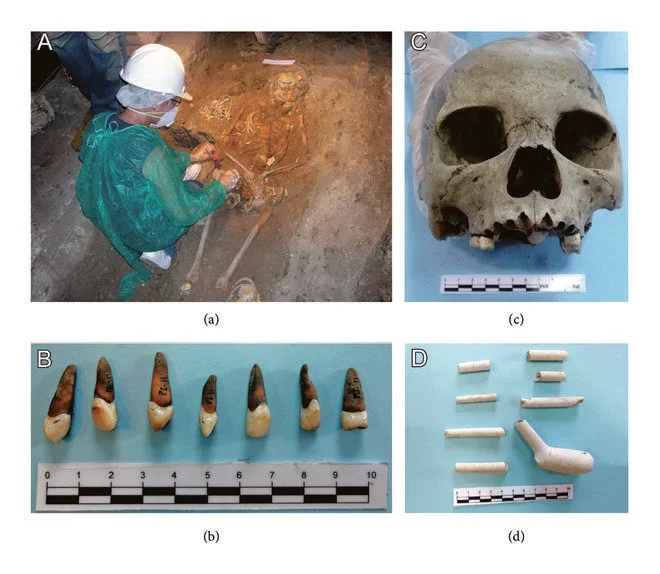
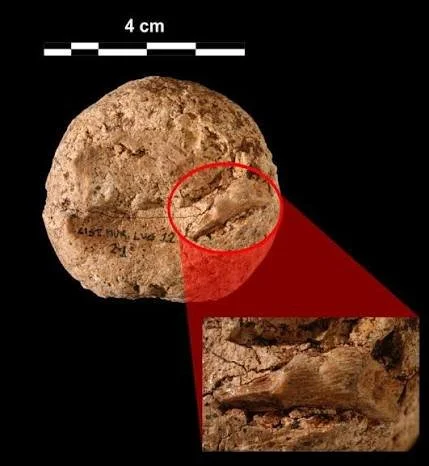
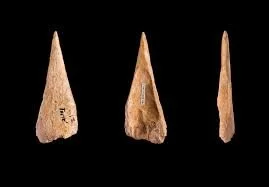
The earliest evidence for these animals came from archaeological excavations at Stone Age sites on the Bird’s Head Peninsula—also known as the Vogelkop Peninsula—in West Papua, the Indonesian-controlled region of New Guinea. Researchers discovered skull and tooth fragments belonging to a mysterious marsupial that had not previously appeared in the fossil record.
Years later, a scientist proposed that the species might still exist somewhere in the dense and largely unexplored forests of the island. New Guinea is well known among biologists for its remote terrain and many undiscovered or poorly documented species.
A Chance Photograph
During a wildlife expedition organized through Mammalwatching, photographer Carlos Bocos captured an image of a long-fingered possum perched in a tree on the Vogelkop Peninsula. However, this alone could not confirm the rediscovery, because two other closely related possum species also live in the region.
Long-fingered possums are distinctive animals with extremely elongated third digits, which they use to probe tree bark and extract wood-boring insects—one of their primary food sources.
Museum Specimens Reveal the Truth
Further evidence came when Tim Flannery, the lead author of the research paper describing the rediscovery, examined specimens stored at the University of Papua New Guinea. Two animals in the collection had previously been misidentified as a related species and used mainly for teaching purposes.
Careful study revealed that these specimens actually belonged to the supposedly extinct pygmy long-fingered possum. Their correct identification helped confirm that the species had survived unnoticed for thousands of years.
The rediscovery highlights how little scientists still know about the biodiversity of New Guinea, one of the most biologically rich yet least explored regions on Earth. It also demonstrates how museum collections, field research, and chance observations can combine to reveal species that were once thought lost to time.
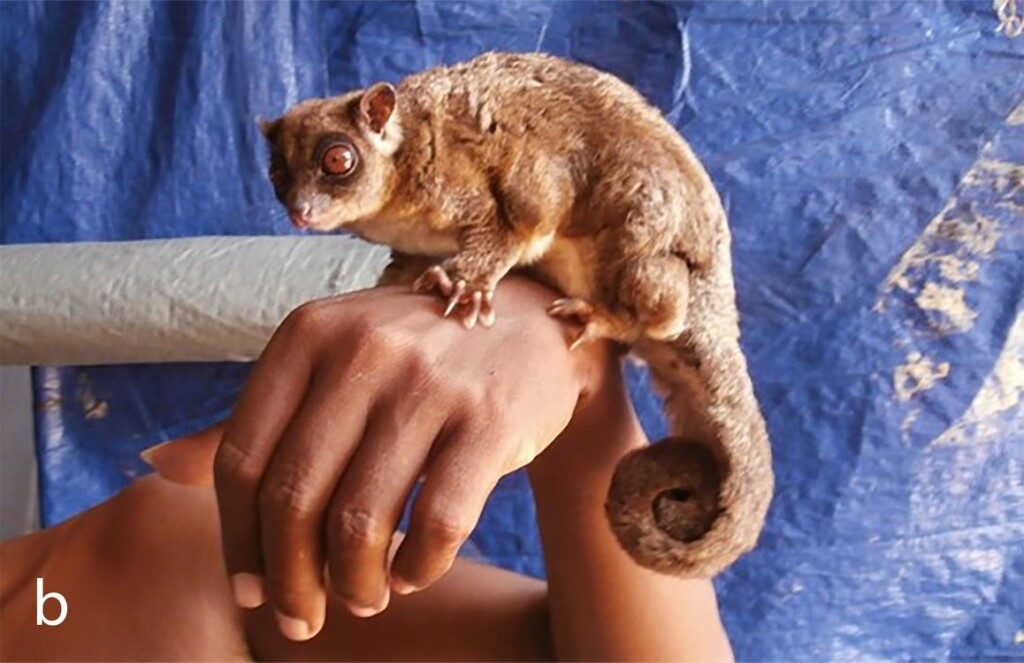
A ring-tailed glider subadult photographed in 2015
“We’ve been able to finalize two pieces of work that are incredibly important from a biological and conservation perspective, documenting the existence of rare marsupials in an area under threat,” said Tim Flannery in an interview with The Guardian. “It’s sort of a crowning glory in my career as a biologist.”
The statement highlights the significance of confirming the survival of the Pygmy Long-Fingered Possum and the Ring-Tailed Glider in the forests of New Guinea. For scientists and conservationists, the discovery not only solves a long-standing biological mystery but also draws attention to the need to protect habitats in West Papua, where development and environmental pressures threaten unique wildlife.