Mill Lade: Eday's Neolithic House
The island of Eday, in the northern part of the Orkney archipelago, preserves an extraordinary concentration of prehistoric remains. Its landscape contains chambered cairns, standing stones, settlements, later farmsteads, and Iron Age structures, making it an important place for understanding how communities repeatedly used Orkney's islands over thousands of years. Among the less spectacular but potentially significant archaeological remains are settlement sites such as Mill Lade, associated with the long Neolithic tradition of domestic occupation on Eday.
Unlike monumental sites such as Maeshowe or the Ring of Brodgar, a Neolithic house represents something much more intimate: the physical setting in which prehistoric people actually lived. Archaeological houses can reveal how families organized domestic space, prepared food, stored possessions, manufactured tools, and interacted with one another.
Eday During the Neolithic
The Neolithic period in Orkney began roughly in the fourth millennium BC and witnessed major changes in settlement, agriculture, architecture, ritual, and social organization.
Orkney is particularly important because its Neolithic communities constructed substantial stone architecture. Skara Brae, Barnhouse, the Knap of Howar, and the settlements around the Ness of Brodgar demonstrate that domestic buildings could be carefully planned and constructed from locally available stone.
Eday participated in this broader cultural world.
The island's geology provided abundant stone, while its fertile areas and access to marine resources made it suitable for settlement. Communities could combine farming with fishing, shellfish collection, hunting, and exploitation of other coastal resources.
A house such as the one associated with Mill Lade therefore needs to be understood as part of a wider settlement landscape rather than as an isolated building.
What a Neolithic House Looked Like
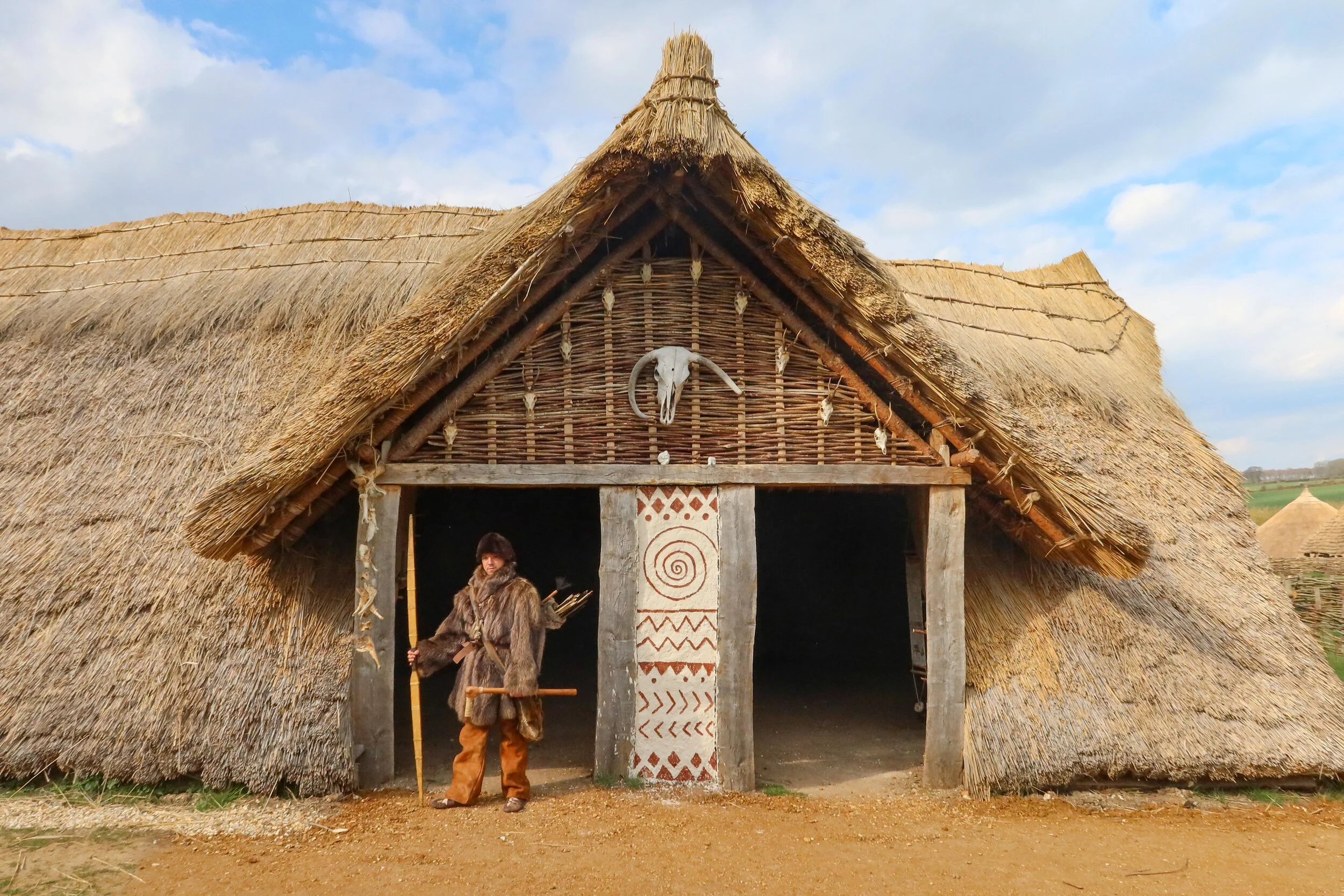
Orkney's Neolithic houses commonly used thick stone walls to create substantial, durable structures. Many had circular or sub-circular interiors, although architectural arrangements varied considerably.
A typical Orcadian Neolithic domestic building could include:
A central hearth
Stone-built internal furniture
Sleeping platforms
Work areas
Storage compartments
Entrances carefully positioned within the structure
Thick walls providing insulation and structural stability
These features make Neolithic Orcadian houses especially valuable because stone survives far better than the wooden architecture found elsewhere in prehistoric Europe.
The surviving archaeological architecture gives researchers an unusual opportunity to reconstruct domestic life.
More Than a House
One of the most important lessons from Orkney's Neolithic settlements is that the distinction between "domestic" and "ritual" spaces was probably not as rigid as modern categories suggest.
People lived, worked, cooked, repaired tools, processed food, socialized, and perhaps conducted ceremonies within interconnected settlements.
Some houses were repeatedly rebuilt or modified. Floors could be resurfaced, walls altered, entrances changed, and internal spaces reorganized.
Such modifications suggest that buildings were not disposable shelters. They accumulated histories.
A house could therefore become part of a family's or community's identity.
Food and Daily Life
Archaeological deposits from Orcadian Neolithic houses demonstrate that inhabitants depended on both agriculture and wild resources.
Cereal cultivation, particularly barley, formed an important part of the agricultural economy. Cattle, sheep, goats, and pigs were also important domestic animals.
Marine resources added another dimension.
The surrounding waters provided:
Fish
Shellfish
Seabirds
Marine mammals
Seaweed and other coastal resources
The combination of farming and maritime exploitation gave island communities considerable economic flexibility.
Technology
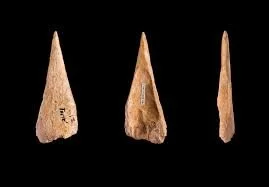
Stone tools were fundamental to everyday life.
People manufactured cutting tools, scrapers, axes, grinding equipment, and other implements from locally available stone and imported materials.
Orkney's Neolithic communities also participated in wider exchange networks. Certain types of stone and artifacts traveled considerable distances, demonstrating that prehistoric island communities were not isolated.
Objects found within domestic contexts can therefore reveal connections extending far beyond Eday.
Why Mill Lade Matters
Mill Lade is important precisely because sites like this complement the spectacular monuments that dominate discussions of Orkney's prehistory.
A chambered cairn tells us something about death, ancestry, and ritual.
A standing stone tells us something about landscape and monumentality.
A domestic house tells us about ordinary life.
Together, these categories create a more complete picture of Neolithic society.
The archaeological significance of Mill Lade therefore lies in placing Eday's inhabitants back into the landscape as active communities rather than simply as builders of monuments.