Introduction
Lesotho's archaeological record reflects a long history of people adapting to mountainous terrain, managing livestock, cultivating crops, making tools, and interacting with neighboring communities. The title Mohale Dam Sites: Lesotho's Iron Age focuses on the potential archaeological significance of areas associated with Mohale Dam and the wider history of Iron Age settlement.
As with other large infrastructure projects, the creation of a reservoir can affect archaeological sites by flooding land, changing access, and exposing remains to new environmental conditions. The precise dates and cultural affiliations of any Iron Age sites around Mohale Dam must be established through archaeological evidence. The wider context, however, helps explain what researchers may learn from settlements and artefacts associated with this period.
Understanding the Iron Age in Lesotho
The term “Iron Age” is used by archaeologists to describe periods in which iron technology became part of the material culture of communities. It does not mean that every household used iron tools exclusively, nor does it imply that stone tools immediately disappeared.
In Southern Africa, ironworking developed alongside other technologies and economic practices. Farming, livestock keeping, pottery production, and the use of stone and organic materials could all remain important within Iron Age communities.
The timing of these developments varied between regions. Archaeologists therefore establish local chronologies using dated deposits, artefact styles, settlement evidence, and comparisons with other sites.
In Lesotho, the mountainous environment influenced how communities used land and organized settlement. Valleys, slopes, water sources, and grazing areas created different opportunities for cultivation and livestock management.
Ironworking and Technological Knowledge
Ironworking required knowledge of raw materials, fuel, heat, and the processes needed to produce usable metal. Where suitable iron ore was available, craftspeople could extract and process it through specialized techniques. The production process required careful control and considerable practical experience.
Iron objects could be used for cutting, woodworking, agriculture, and other tasks. Their value depended on the quality of the metal, the skill of the craftsperson, and the needs of the household or community.
However, the presence of an iron object does not prove that iron was produced at the location where it was found. The object may have been imported, exchanged, inherited, or transported from another settlement.
Evidence of local ironworking may include furnaces, slag, tuyères or air-delivery components, ore fragments, and other production remains. Even these materials require careful interpretation because metalworking debris can be moved or reused.
Farming, Livestock, and Domestic Life
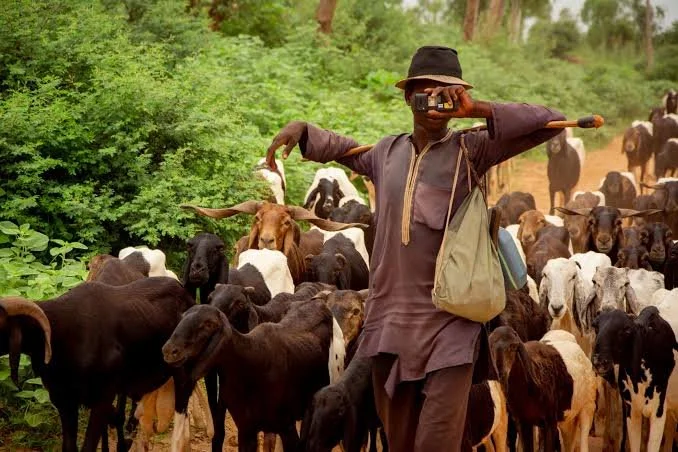
Iron Age settlements in Southern Africa were often associated with combinations of cultivation and livestock keeping, although the importance of each activity varied according to local conditions.
Cultivation required knowledge of soils, rainfall, planting seasons, and crop management. Livestock keeping required access to grazing and water, as well as strategies for protecting animals and managing disease or seasonal shortages.
These activities could complement one another. Crops provided food, while animals supplied milk, meat, hides, and other resources. Manure could improve cultivated soils, although its use depended on local farming practices.
Archaeological evidence may include charred seeds, animal bones, pottery, grinding stones, storage features, and domestic structures. Each type of evidence offers only part of the picture, so researchers combine them to reconstruct household economies.
Pottery and Cultural Connections
Pottery can help identify technological traditions and interactions between settlements. Vessel shapes, decorative patterns, clay composition, and manufacturing methods may be compared across sites to investigate similarities and differences.
A resemblance between pottery assemblages may indicate shared traditions or contact between communities. It does not necessarily prove that the same people lived at both sites, since styles and techniques can spread through exchange, marriage, movement, or imitation.
Pottery also provides evidence of everyday activities such as cooking, storage, and food processing. Residue analysis may sometimes reveal traces of materials once held in vessels, although preservation and contamination must be considered.
When pottery is recovered from a secure archaeological layer, it can contribute to a site's chronology. However, researchers must account for the possibility that older and younger objects became mixed through later disturbance.
Mohale Dam and Archaeological Survey
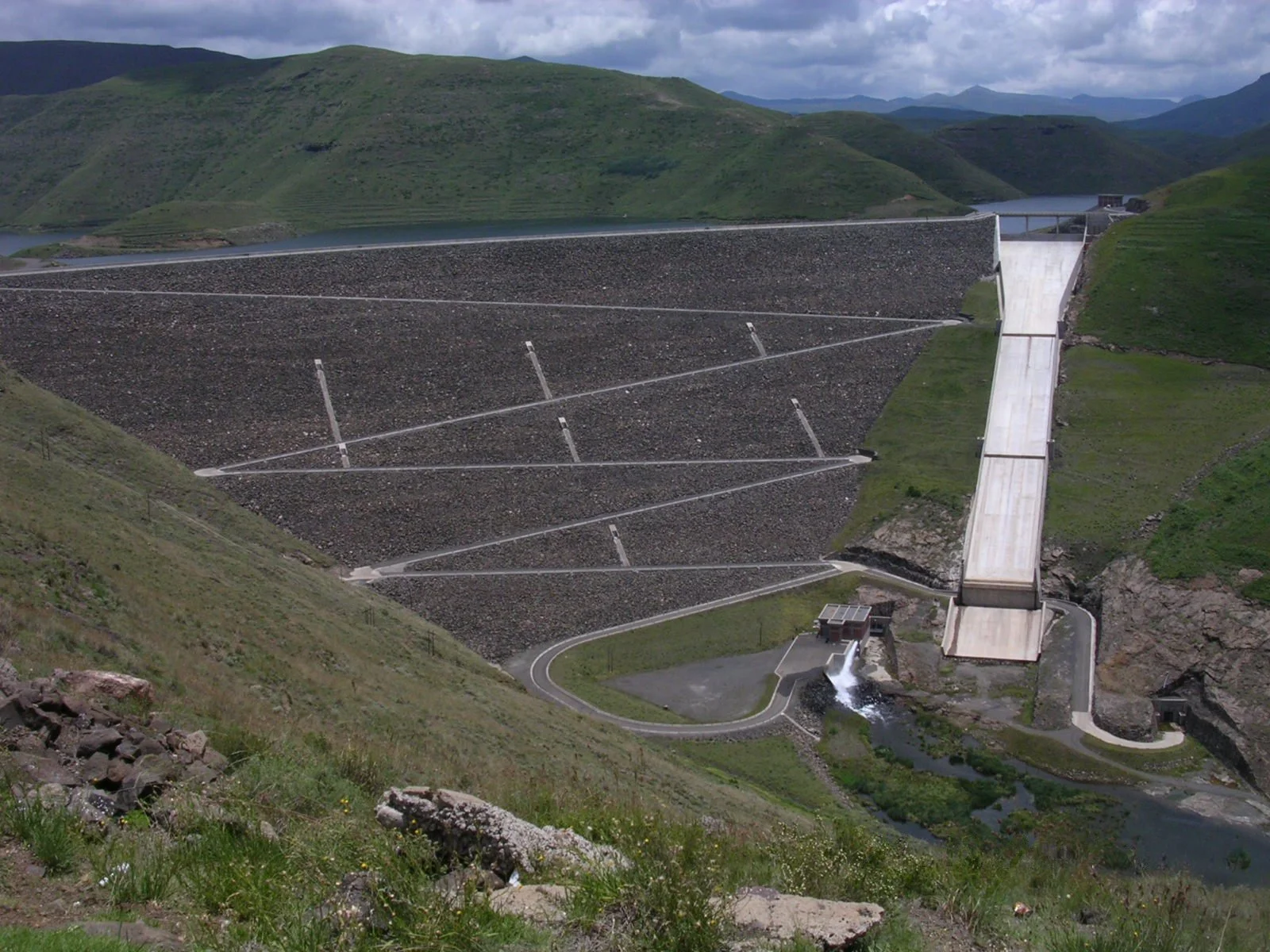
The construction of Mohale Dam and its reservoir created a need to consider the cultural and environmental heritage of the affected landscape. Before flooding, archaeological surveys and assessments can identify places where material evidence may be at risk.
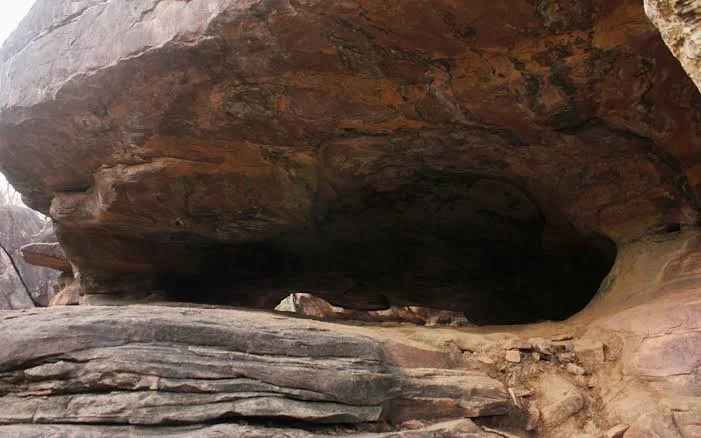
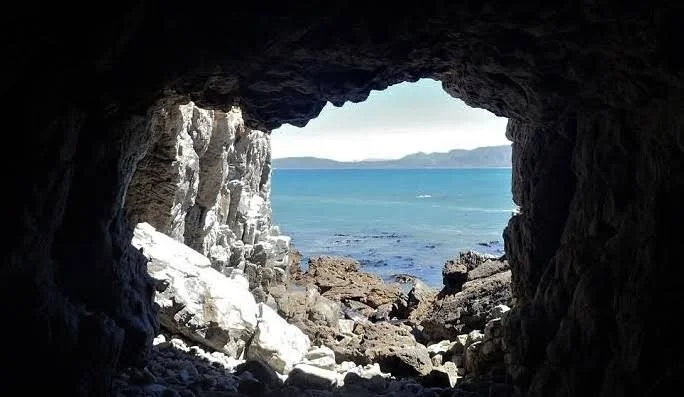
Researchers may document settlement remains, pottery, stone tools, metal objects, and other finds. They may also record caves, rock shelters, paths, and other features that help explain how people used the area.
The presence of Iron Age material must be established through careful analysis. A stone wall alone does not reveal its date, and pottery or metal objects found on the surface may have been displaced. Excavation and scientific dating, where possible, can help establish the sequence of occupation.
The archaeological record may also reveal repeated use of a location over different periods. A place occupied during the Iron Age could later have been used by other communities, meaning that its history cannot be reduced to a single cultural phase.
The Effects of Reservoir Creation
The creation of a reservoir can make archaeological sites inaccessible, alter shorelines, and change the movement of sediment. Some remains may become submerged, while others may be exposed as water levels fluctuate.
Submersion does not necessarily preserve archaeological material indefinitely. Water movement, erosion, changing chemical conditions, and repeated exposure can damage deposits. For this reason, documentation before flooding is particularly important.
The effects extend beyond archaeological objects. The landscape may contain former fields, grazing areas, paths, and settlement locations that remain important in community memory. Oral histories can help record how people used these places before the reservoir transformed the area.
Interpreting the Evidence Responsibly
A strong account of Mohale's Iron Age sites should distinguish between three questions: when people occupied the area, what activities they carried out, and how those activities changed over time.
Dating helps establish chronology, while artefact and environmental analysis provide evidence of daily life. Settlement mapping reveals how households related to one another and to the wider landscape.
Researchers should avoid attributing every artefact to one community or assuming that a particular archaeological tradition corresponds directly to a modern ethnic identity. Cultural practices can change, overlap, and spread between groups.
Consultation with local communities and heritage institutions is important for establishing site histories and determining how findings should be presented to the public.
Conservation and Public Education
Archaeological remains around dams require careful management. Documentation, museum interpretation, digital records, and public education can preserve knowledge even where physical access becomes difficult.
Community participation can help ensure that research recognizes the human significance of the landscape. Educational materials should explain both the scientific value of the archaeological record and the changes experienced by people whose lives were connected to the affected area.
Conclusion
Mohale Dam's archaeological context provides an important opportunity to investigate Iron Age settlement, technology, farming, livestock management, and cultural interaction in Lesotho. The exact history of individual sites depends on reliable archaeological evidence, but the wider questions are significant for understanding how people adapted to the highlands over time.
By combining archaeological survey, scientific dating, artefact analysis, environmental research, and community knowledge, researchers can reconstruct the lives of earlier inhabitants and document how the modern reservoir changed the landscape. This approach preserves a more complete record of Lesotho's past, connecting ancient technologies and settlement patterns with the modern history of infrastructure and environmental transformation.