Giants Carved in Stone
Scattered across the tropical lowlands of Mexico are massive stone sculptures unlike anything else in the ancient world—the colossal heads of the Olmec civilization.
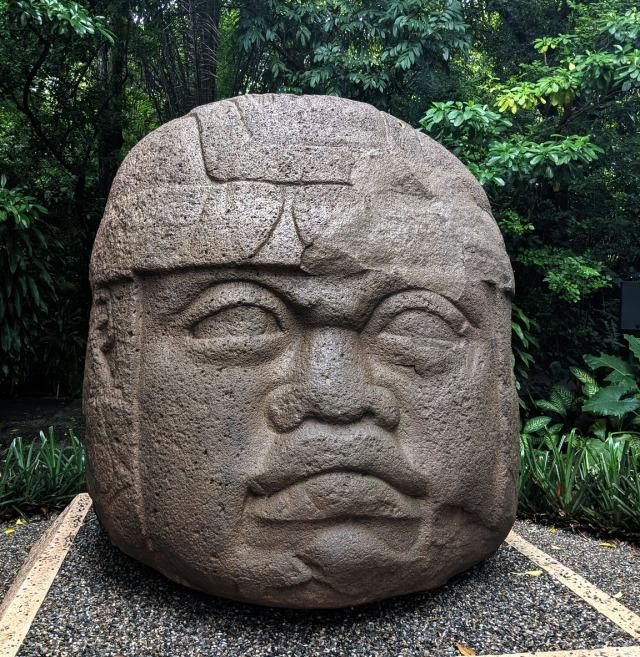
Weighing up to 50 tons and standing several meters tall, these heads are among the most mysterious artifacts in archaeology.
The Olmec Civilization
The Olmec flourished between 1400 and 400 BCE, making them one of the earliest known civilizations in Mesoamerica. They built complex societies with:
Planned cities
Monumental architecture
Artistic traditions
Because of their influence, they are often called the “mother culture” of later civilizations like the Maya and Aztec.
The Purpose of the Heads
Each colossal head is unique, with distinct facial features, expressions, and helmet-like headgear. This suggests they may represent:
Powerful rulers
Elite warriors
Possibly deified leaders
Their individuality indicates that they were likely portraits, not generic figures.
How Were They Made and Moved?
The heads were carved from basalt, a volcanic rock sourced from quarries many kilometers away.
Transporting these massive stones without modern tools remains one of the biggest mysteries. Possible methods include:
Rolling them on logs
Using rafts along rivers
Coordinated human labor
The effort required shows a high level of organization and engineering skill.
Why Do They Matter?
The Olmec heads are more than sculptures—they are symbols of a civilization that laid the groundwork for Mesoamerican culture.
They demonstrate:
Artistic sophistication
Political structure
Cultural identity
A Mystery That Endures
Despite decades of research, many questions remain unanswered. Who exactly did the heads represent? What rituals were associated with them?
The Olmec left no written records, leaving their story carved only in stone—waiting to be fully understood.