The Birthplaces of Civilization
Some of the greatest civilizations in history were built along rivers. These waterways provided everything early societies needed to survive and grow—fresh water, fertile soil, and transportation routes.
The Great Rivers That Shaped History
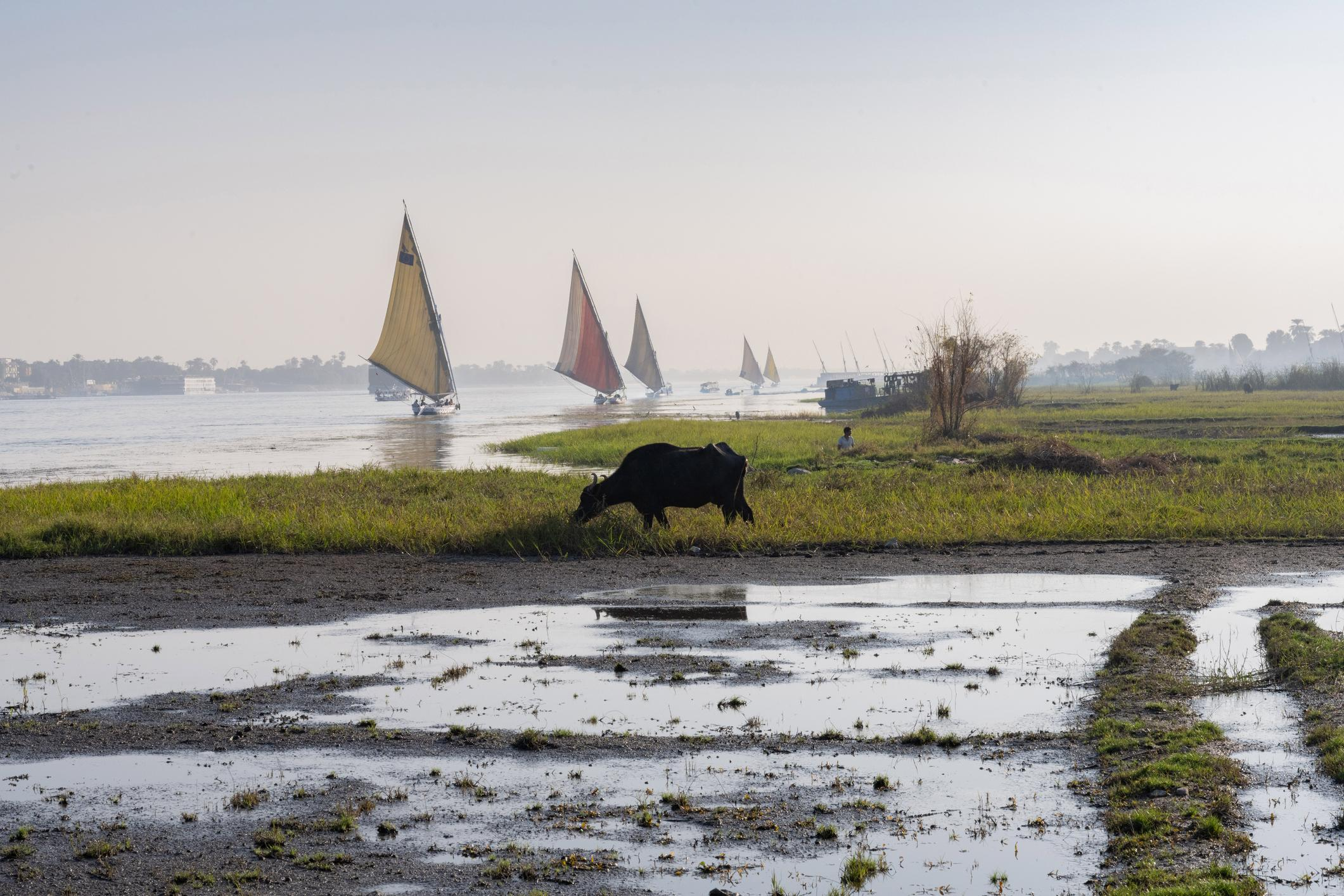
Nile River
The Nile’s predictable flooding created rich farmland, allowing ancient Egypt to flourish for thousands of years.
Indus River
This river supported highly organized cities with advanced planning, sanitation, and trade systems.
Tigris River and Euphrates River
These rivers formed Mesopotamia, where some of the world’s first cities, writing systems, and laws emerged.
Yellow River
Often called the “Mother River,” it nurtured early Chinese civilization, though its floods could also be destructive.
Agriculture and Power
Rivers made large-scale farming possible through irrigation systems. This led to:
Food surpluses
Population growth
The rise of cities and governments
Control over water often meant control over power.
Rivers as Sacred Forces
Ancient peoples did not see rivers as mere resources—they saw them as living, divine forces.
The Nile was associated with gods of fertility
Mesopotamian myths described rivers as part of creation
Asian traditions viewed rivers as sacred lifelines
Rituals, offerings, and festivals were often centered around these waterways.