Cities of Legend
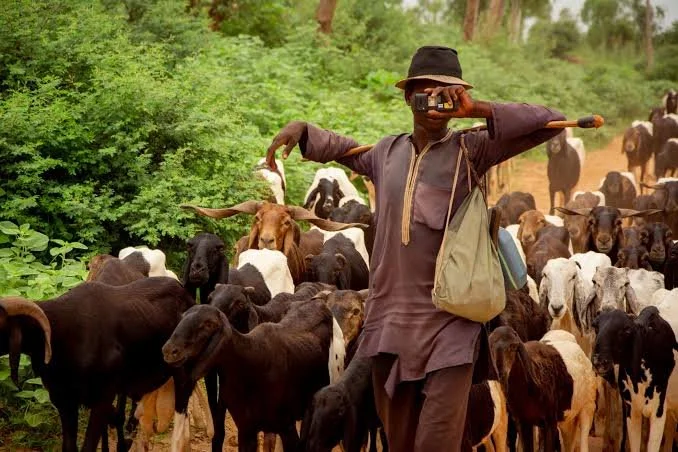
Throughout history, stories have been passed down through generations, describing cities of great wealth, beauty, or mystery. These mythic cities often exist only in oral traditions—narratives shared through storytelling rather than written records.
These legends capture the imagination, describing lost civilizations, hidden treasures, or powerful kingdoms that once existed but disappeared over time.
The Power of Oral Tradition
Before writing systems became widespread, oral storytelling was the primary way of preserving history. These stories were carefully memorized and passed down, often with symbolic elements added over time.
While details may change, core elements of these stories often remain consistent, suggesting that they may be rooted in real events or places.
Clues from Archaeology
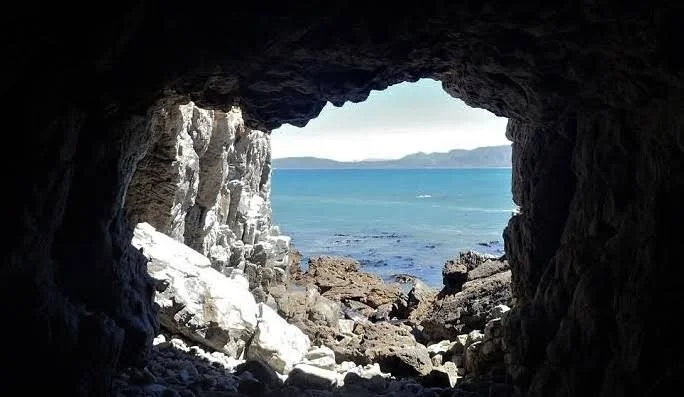
In some cases, archaeological discoveries have provided evidence that supports these legends. Ruins uncovered in remote areas sometimes match descriptions found in oral traditions.
For example, the discovery of ancient settlements in regions once thought uninhabited has led researchers to reconsider the historical basis of certain myths.
Blending Myth and History
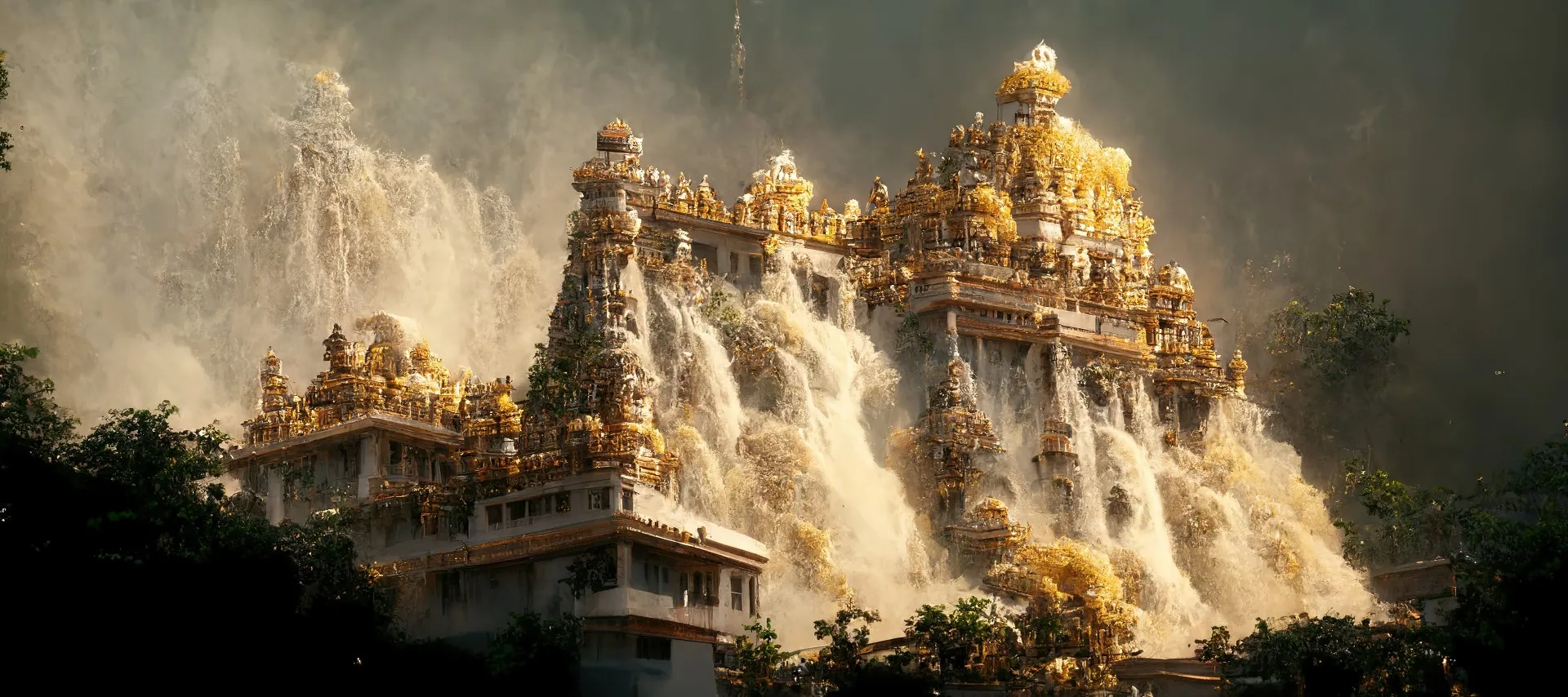
Interpreting these stories can be challenging because they often combine factual events with symbolic or exaggerated elements. A city described as “golden” may not literally be made of gold but could represent wealth or importance.
Understanding these narratives requires careful analysis, comparing them with physical evidence and historical context.
The Search Continues
The search for mythic cities continues to inspire archaeologists and historians. Advances in technology, such as satellite imaging and remote sensing, have made it possible to explore previously inaccessible areas.
Each discovery brings us closer to understanding whether these legendary cities were real, symbolic, or a combination of both.
Why These Stories Matter
Even if some mythic cities never existed exactly as described, they still hold cultural value. They reflect human hopes, fears, and imagination, preserving the identity and beliefs of ancient societies.