Navigating the Open Ocean
Crossing the vast Pacific Ocean is a remarkable challenge even with modern technology. Yet thousands of years ago, ancient seafarers accomplished this feat using only their knowledge of nature and simple vessels.
These early navigators explored and settled islands across thousands of kilometers, making them some of the greatest explorers in human history.
Star Navigation and Environmental Knowledge
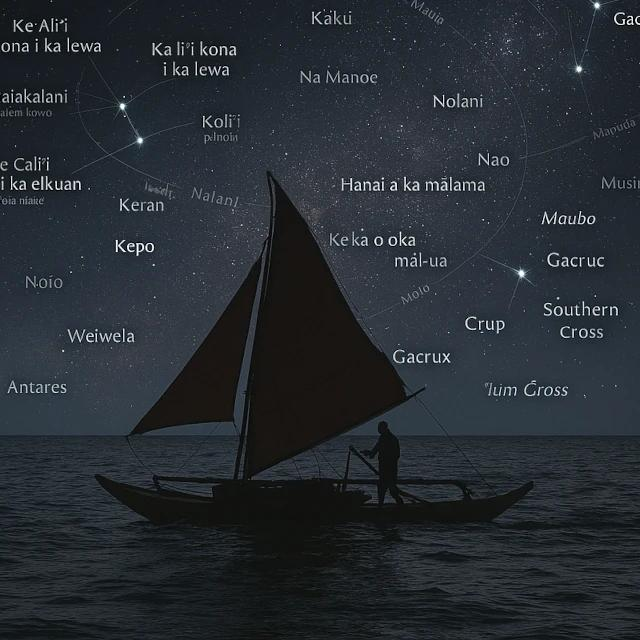
Pacific seafarers relied on detailed knowledge of the natural world. They studied the stars, using their positions to determine direction. They also observed ocean currents, wave patterns, and wind behavior.
Bird movements and cloud formations provided additional clues about nearby land. This combination of observations created a highly effective navigation system.
Voyaging Technology
The vessels used for these journeys were carefully designed. Outrigger canoes provided stability, allowing sailors to travel long distances safely.
These boats were lightweight yet durable, capable of carrying people, supplies, and even plants for cultivation on new islands.
Expansion Across the Pacific
Using these techniques, seafarers reached and settled remote islands across the Pacific. This expansion required courage, planning, and deep knowledge passed down through generations.
Cultural Significance
Navigation was more than a skill—it was a respected tradition. Knowledge was preserved through teaching, storytelling, and practice.
A Remarkable Achievement
The success of these early seafarers demonstrates the power of human ingenuity. Their achievements remain impressive and continue to inspire modern navigation studies.