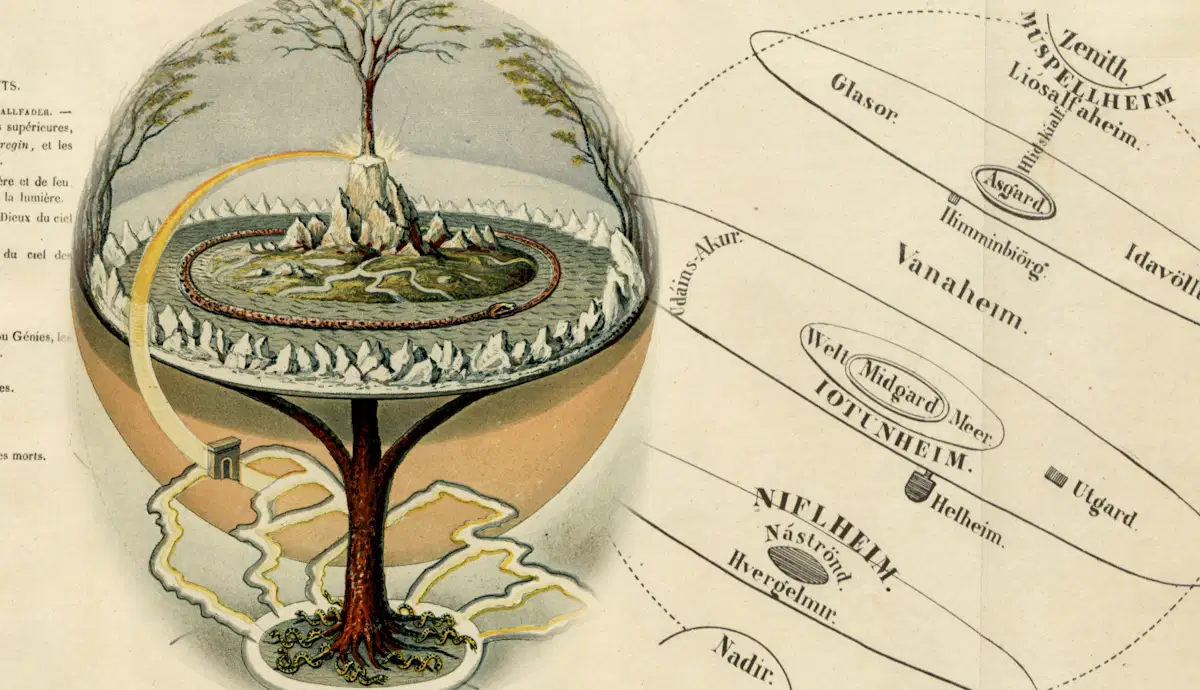
Connecting Heaven, Earth, and Beyond
Across many ancient cultures, myths describe a عظ great tree or pillar that connects different realms of existence. These “world-trees” or cosmic pillars served as powerful symbols of how the universe was structured.
They offered a way to understand creation, balance, and the relationship between the physical and spiritual worlds.
The World-Tree Concept
In these myths, a massive tree stands at the center of the universe.
Its roots reach into the underworld, its trunk exists in the human realm, and its branches extend into the heavens. This structure represents the connection between all levels of existence.
Such stories appear in various cultures, each with unique details but similar core ideas.
Symbolism and Meaning
The world-tree symbolized life, growth, and continuity.
It reflected the idea that all parts of the universe are interconnected. Just as a tree depends on its roots and branches, the cosmos was seen as a balanced system.
Cosmic Order
These myths helped explain how the universe functioned.
They provided a framework for understanding natural cycles, such as seasons, life, and death. The world-tree acted as a stable center in an ever-changing world.
Ritual and Belief
World-trees were often represented in rituals, art, and sacred spaces.
They could appear in carvings, stories, or ceremonial practices, reinforcing their importance in cultural belief systems.
A Universal Symbol
The presence of similar myths across cultures suggests a shared human desire to explain the structure of existence.
These stories continue to inspire modern interpretations of spirituality and cosmology.