From Wild Companions to Human Partners
The domestication of animals marked one of the most important turning points in human history. Long before cities and written language, early humans began forming relationships with certain species—transforming wild animals into companions, workers, and sources of survival.
This process did not happen overnight. It developed gradually, as humans learned to observe animal behavior, select traits, and build mutual dependence.
Early Domestication
Some of the earliest domesticated animals included the dog, sheep, goats, and cattle.
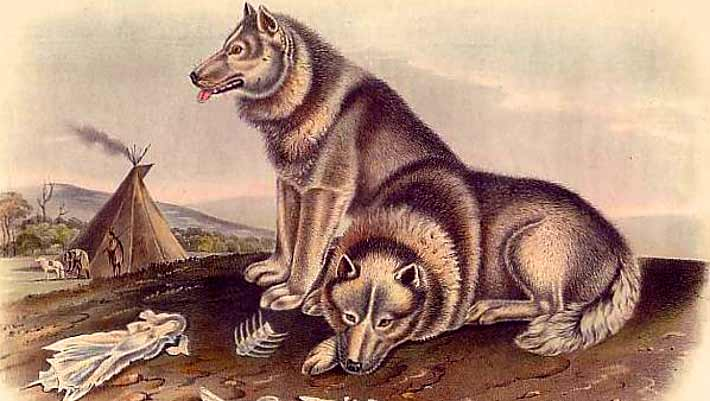
Dogs were likely the first, forming partnerships with humans for hunting and protection. Over time, other animals were domesticated for food, labor, and materials such as wool and leather.
This shift allowed humans to move from purely hunting and gathering to more stable, agricultural lifestyles.
Transforming Daily Life
Domesticated animals reshaped everyday life.
They provided reliable food sources, helped with farming, and made transportation easier. Oxen could pull plows, while horses allowed faster travel and communication across long distances.
These changes increased productivity and supported the growth of larger, more complex societies.
Animal Symbolism
Animals also held deep symbolic meaning in ancient cultures.
They were often associated with strength, fertility, protection, or divine power. In many societies, certain animals were considered sacred or linked to specific deities.
This symbolic role strengthened the bond between humans and animals, extending beyond practical use into spiritual life.
Social and Economic Impact
Domestication influenced social structure and economy.
Owning animals became a sign of wealth and status. Trade networks developed around livestock and animal products, connecting distant communities.
Animals also played roles in rituals, ceremonies, and storytelling.
A Lasting Legacy
The domestication of animals continues to shape human life today.
It laid the foundation for agriculture, transportation, and even companionship—demonstrating how deeply connected human history is to the animal world.