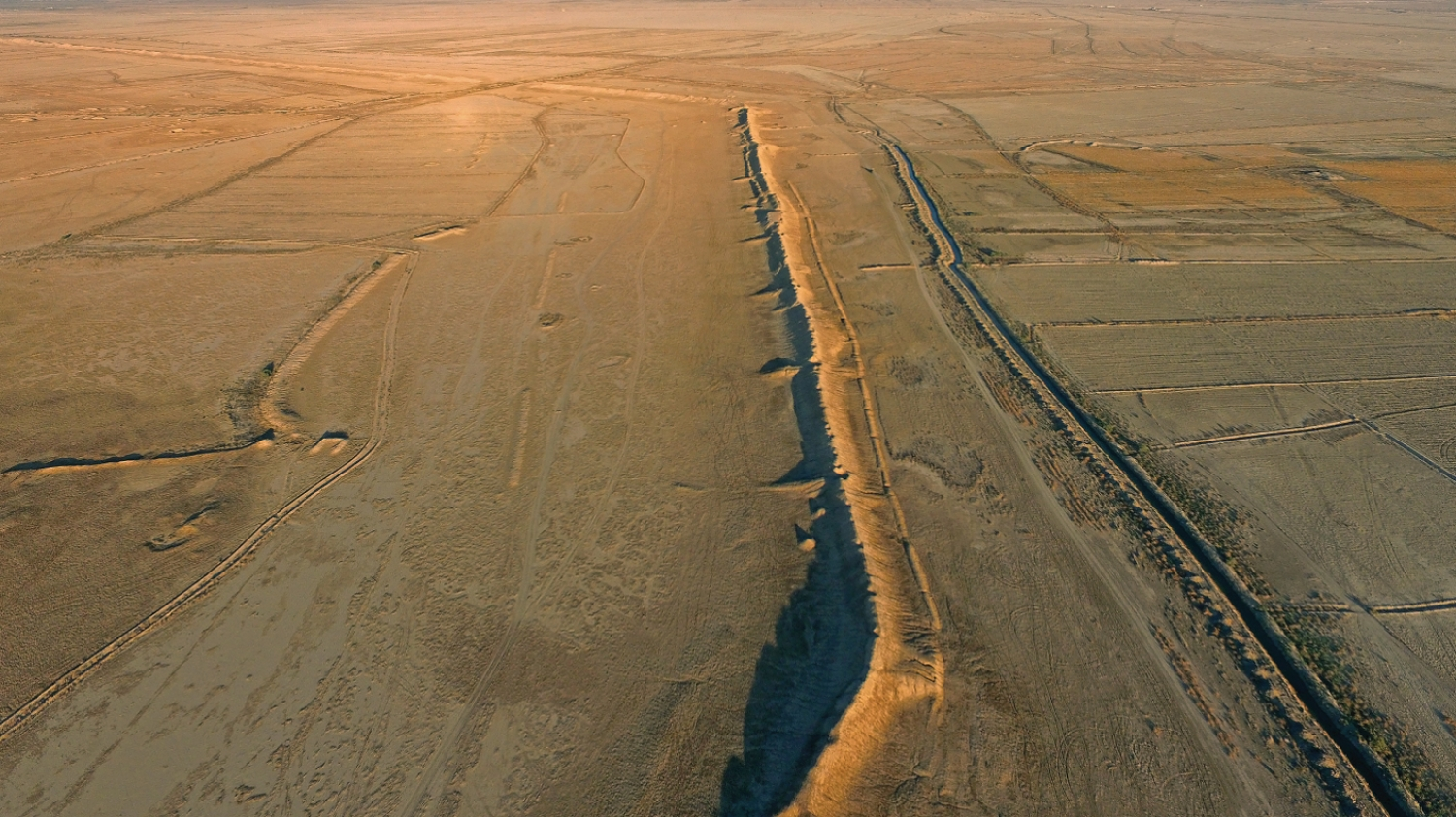
JEBEL KHAYYABER, IRAQ — Ancient texts state that after returning from the Indus Valley around 324 B.C., Alexander the Great established a key port city in Mesopotamia called Alexandria on the Tigris. For centuries, however, archaeologists were unable to pinpoint its exact location.
According to La Brújula Verde, recent research has now identified the long-lost site and revealed new insights into its scale and design. An international team led by Stefan Hauser of the University of Konstanz used aerial photography, drone surveys, and ground investigations to confirm the city’s location at Jebel Khayyaber in modern-day Iraq.
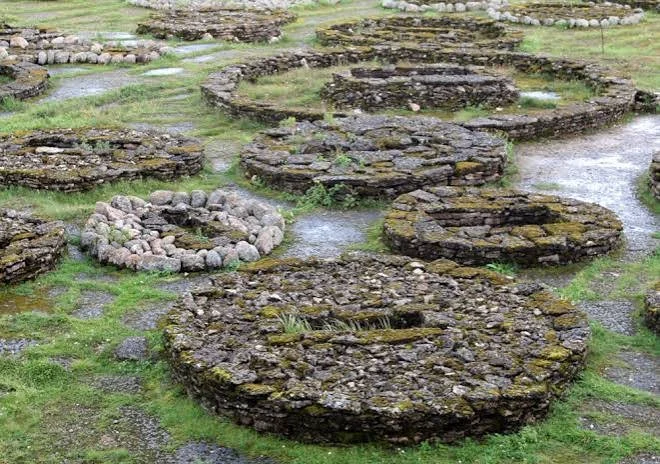
Geophysical scans uncovered a carefully planned urban layout, including streets, defensive walls, canals, and insulae—large residential blocks that rank among the biggest known from the ancient world. The imagery also revealed expansive temple complexes and industrial zones. Hauser noted that the scale of the settlement rivaled that of Alexandria in Egypt.
Between 300 B.C. and A.D. 300, the city—later renamed Charax Spasinou—developed into a thriving commercial hub linking trade routes across Mesopotamia, India, Afghanistan, and China. However, by the third century A.D., shifts in the course of the Tigris River gradually distanced the waterway from the city, contributing to its eventual decline.