• MAIN PAGE
  • LATEST NEWS
    • Lost Cities
    • Archaeology's Greatest Finds
    • Underwater Discoveries
    • Greatest Inventions
    • Studies
    • Blog
  • PHILOSOPHY
  • HISTORY
  • RELIGIONS
    • Africa
    • Anatolia
    • Arabian Peninsula
    • Balkan Region
    • China - East Asia
    • Europe
    • Eurasian Steppe
    • Levant
    • Mesopotamia
    • Oceania - SE Asia
    • Pre-Columbian Civilizations of America
    • Iranian Plateau - Central Asia
    • Indus Valley - South Asia
    • Japan
    • The Archaeologist Editor Group
    • Scientific Studies
    • Aegean Prehistory
    • Historical Period
    • Byzantine Middle Ages
    • Predynastic Period
    • Dynastic Period
    • Greco-Roman Egypt
  • Rome
  • PALEONTOLOGY
  • About us
Menu

The Archaeologist

  • MAIN PAGE
  • LATEST NEWS
  • DISCOVERIES
    • Lost Cities
    • Archaeology's Greatest Finds
    • Underwater Discoveries
    • Greatest Inventions
    • Studies
    • Blog
  • PHILOSOPHY
  • HISTORY
  • RELIGIONS
  • World Civilizations
    • Africa
    • Anatolia
    • Arabian Peninsula
    • Balkan Region
    • China - East Asia
    • Europe
    • Eurasian Steppe
    • Levant
    • Mesopotamia
    • Oceania - SE Asia
    • Pre-Columbian Civilizations of America
    • Iranian Plateau - Central Asia
    • Indus Valley - South Asia
    • Japan
    • The Archaeologist Editor Group
    • Scientific Studies
  • GREECE
    • Aegean Prehistory
    • Historical Period
    • Byzantine Middle Ages
  • Egypt
    • Predynastic Period
    • Dynastic Period
    • Greco-Roman Egypt
  • Rome
  • PALEONTOLOGY
  • About us

Archaeologists Finally Decoded a 4,000-Year-Old Tablet—and It Warns, ‘A King Will Die’

February 11, 2026

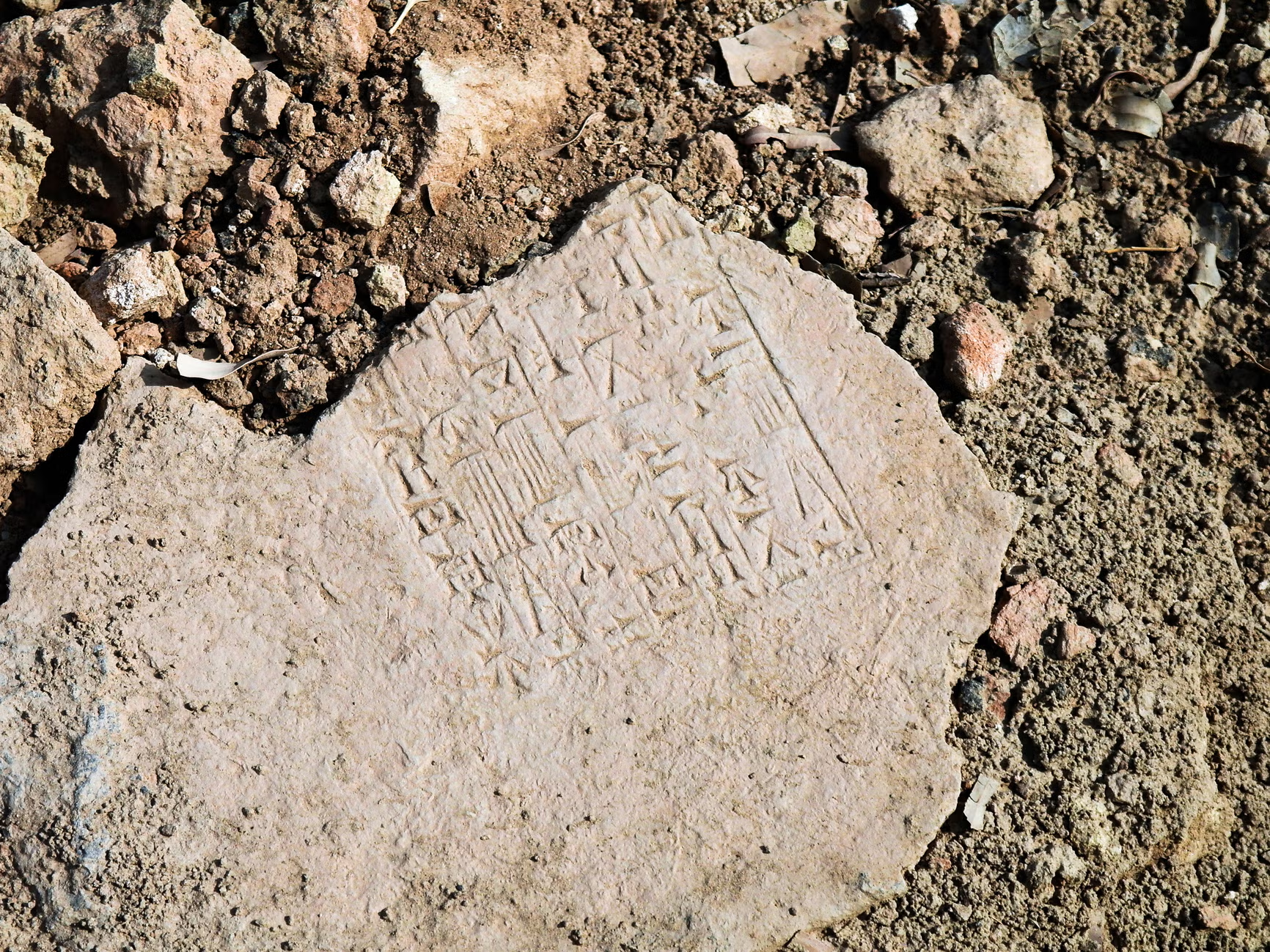
More than a century after their discovery, scholars have finally decoded inscriptions on a set of 4,000-year-old tablets. The texts contain ominous predictions warning of disasters such as famine, disease, invasions—and even the death of a king.

In ancient Mesopotamia, lunar eclipses were often interpreted as signs of impending misfortune. One chilling inscription bluntly states, “A king will die”—hardly reassuring news for a superstitious ruler.

In a study published in the Journal of Cuneiform Studies, researchers translated 73 cuneiform omens from ancient Babylonia. Cuneiform, a logo-syllabic script in which symbols represent words or sounds, was widely used across the Ancient Near East, a region corresponding broadly to today’s Middle East.

← New Research Confirms Location of Lost City Founded by Alexander the GreatDeer Skull Headdress Highlights Neolithic Community Exchange →
Featured
image_2026-02-11_175047959.png
Feb 11, 2026
Roman altars acquired for nation to go on show for first time
Feb 11, 2026
Read More →
Feb 11, 2026
image_2026-02-11_174626221.png
Feb 11, 2026
Archaeologists Discovered Hidden Messages in the Likely Room of Jesus’s Last Supper
Feb 11, 2026
Read More →
Feb 11, 2026
image_2026-02-11_174228363.png
Feb 11, 2026
Researchers crack the rules of unknown board game from the Roman period
Feb 11, 2026
Read More →
Feb 11, 2026
image_2026-02-11_173720076.png
Feb 11, 2026
12,000-year-old woven items found in Oregon cave may be among oldest clothing ever found
Feb 11, 2026
Read More →
Feb 11, 2026
image_2026-02-11_173458881.png
Feb 11, 2026
Rules of mysterious ancient Roman board game decoded by AI
Feb 11, 2026
Read More →
Feb 11, 2026
image_2026-02-11_173004904.png
Feb 11, 2026
New Research Confirms Location of Lost City Founded by Alexander the Great
Feb 11, 2026
Read More →
Feb 11, 2026
read more

Powered by The archaeologist