Introduction
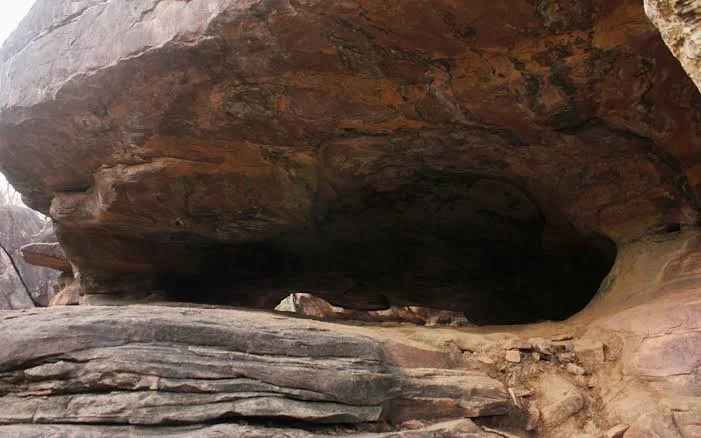
Rock shelters are among the most revealing places for investigating human settlement in mountainous environments. Formed by natural geological processes, they can provide protection from rain, wind, and direct sunlight. When people repeatedly use these spaces, archaeological deposits may accumulate beneath the overhang, preserving evidence of activities that occurred over long periods.
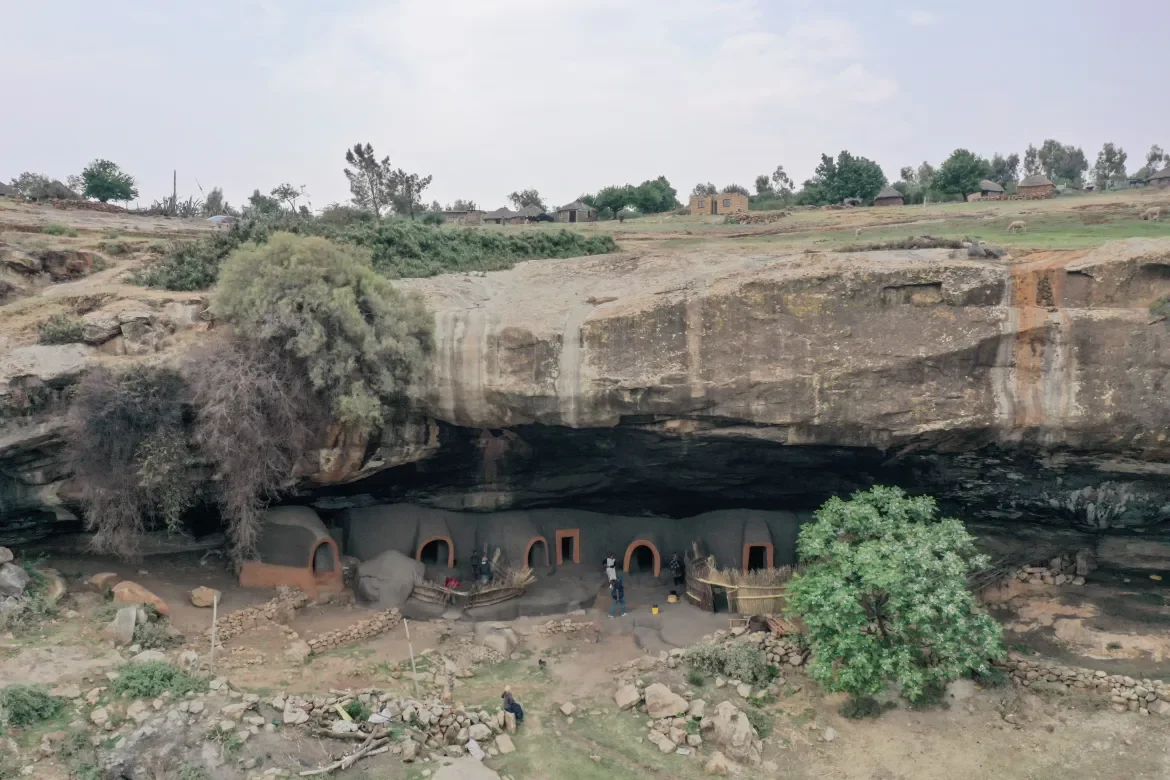
The title Ntloane: Lesotho's Rock Shelter Village suggests a relationship between a natural shelter and a wider settlement. The word “village” should be treated carefully, however. A rock shelter may have been occupied by a single household, visited seasonally by small groups, used for specialized activities, or incorporated into a larger settlement system. Its actual role must be established through archaeological evidence.
Why Rock Shelters Attracted People
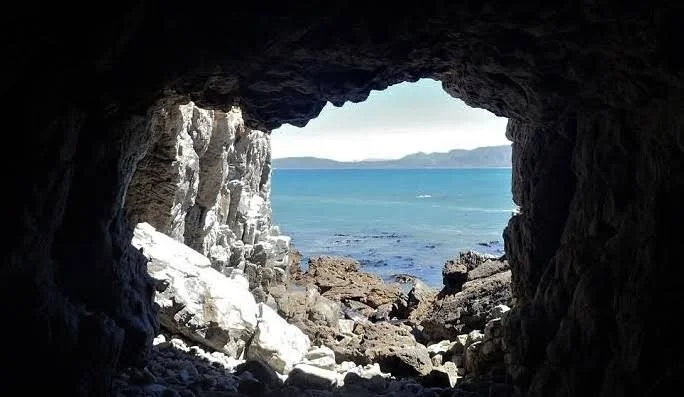
A rock shelter can offer several practical advantages. Its overhanging roof provides some protection from precipitation, while nearby rock surfaces may reduce exposure to wind. A shelter situated close to water, grazing, wild foods, or travel routes could be especially useful.
The advantages depend on the shelter's orientation, size, accessibility, and surrounding landscape. Some shelters are spacious enough to accommodate repeated domestic activity, while others provide only limited protection.
People may have used shelters differently across seasons. A group could occupy a location temporarily while hunting, gathering plants, tending animals, or traveling between settlements. Other shelters may have been used more intensively or repeatedly over generations.
The discovery of hearths, food remains, tools, and domestic artefacts can help researchers identify activities that took place within a shelter. Yet the presence of a hearth alone does not establish permanent residence, since fires can be used during short visits.
How Archaeological Deposits Form
Everyday activities can leave traces beneath a rock overhang. Ash from fires, fragments of broken pottery, animal bones, discarded tools, plant remains, and sediment carried by wind or water may accumulate over time.
In favorable conditions, the shelter's roof can help protect deposits from some forms of weathering. This does not mean that all archaeological material survives intact. Water movement, animal burrowing, rockfall, erosion, and later human activity can disturb or destroy deposits.
The depth of an archaeological layer does not automatically indicate its age. Sediment can accumulate at different rates, and later disturbances may move older objects into younger layers or bring younger material into earlier deposits.
Careful excavation therefore records the position of each find in relation to the surrounding soil, structures, and other artefacts. This contextual information helps researchers reconstruct the sequence of occupation.
From Shelter to Settlement
The idea of a “rock shelter village” raises an important question: what evidence distinguishes a temporary shelter from part of a larger settlement?
Researchers might investigate whether the shelter is surrounded by the remains of houses, livestock enclosures, pathways, terraces, or other structures. The presence of several nearby shelters may suggest a wider pattern of landscape use, although proximity alone does not prove that all were occupied at the same time.
A settlement can also extend beyond visible buildings. Paths connecting water sources, fields, grazing areas, and sheltered locations may reveal how people moved through the landscape. Archaeological survey can identify features that are difficult to see from a single excavation trench.
If the evidence indicates repeated occupation by different groups over long periods, the site may be better understood as a persistent place within a settlement network rather than a continuously inhabited village.
Rock Shelters and Earlier Communities
Rock shelters throughout Southern Africa are associated with a long record of human activity. Depending on their location and archaeological sequence, they may preserve evidence from hunter-gatherer communities, later farming populations, or more recent historical periods.
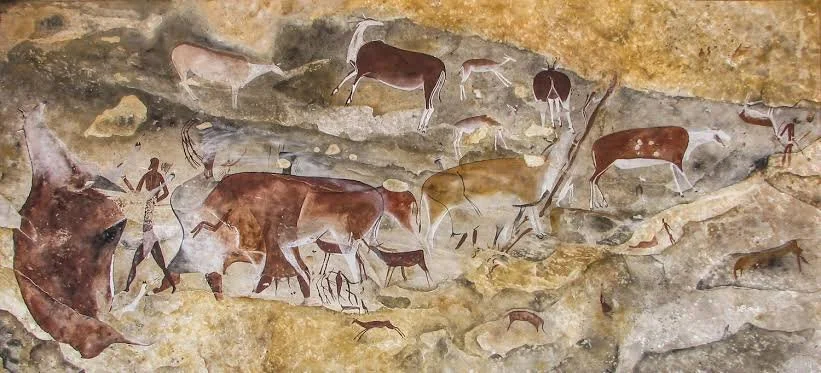
In Lesotho, rock shelters are also relevant to the study of San history and rock art. Some shelters contain paintings or other cultural traces, but not every shelter has rock art, and not every archaeological deposit is associated with the same community or period.
San communities should not be represented solely as people of the distant past. Contemporary San communities maintain diverse identities and cultural connections, and archaeological interpretations should acknowledge this continuity rather than suggesting that San history simply ended with the appearance of later populations.
Where rock art is present, it should be studied within its cultural and archaeological context. Researchers should avoid assuming that every image is a straightforward record of hunting or that the meaning of a painting can be determined from appearance alone.
Investigating Ntloane
A detailed investigation of Ntloane would begin with recording the shelter's dimensions, orientation, geological formation, and relationship to nearby natural resources. Researchers would then document visible archaeological material and identify areas where deposits may survive.
Excavation, where appropriate and authorized, could reveal the sequence of occupation. Charcoal, seeds, animal remains, and other suitable materials may help establish dates. Artefact analysis could provide information about tool production, food preparation, craft activities, and contact with other communities.
Oral histories and local knowledge could contribute information about remembered uses of the shelter and its place in the surrounding landscape. Researchers should consult relevant communities before publicizing sensitive information or conducting interventions.
Conservation Challenges
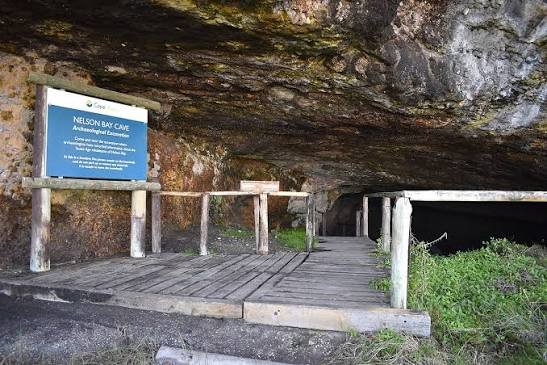
Rock shelters can be vulnerable to vandalism, graffiti, uncontrolled fires, litter, construction, and the removal of artefacts. Visitors may damage fragile deposits by walking across exposed archaeological layers or moving stones to create seating and fire pits.
Protecting a shelter requires both physical conservation and public education. Clear access guidelines, community involvement, and careful monitoring can reduce damage while allowing appropriate research and visitation.
Conclusion
Ntloane offers a compelling subject for examining how natural shelters may have supported human activity in Lesotho's mountainous landscape. Its potential significance lies in the relationship between geology, settlement, subsistence, and movement.
Whether the evidence supports a permanent village, repeated seasonal occupation, or a more specialized role must be determined through systematic research. By combining archaeological excavation, landscape survey, scientific dating, and community knowledge, researchers can develop a more reliable account of how people used rock shelters and incorporated them into the wider geography of everyday life.