• MAIN PAGE
  • LATEST NEWS
    • Lost Cities
    • Archaeology's Greatest Finds
    • Underwater Discoveries
    • Greatest Inventions
    • Studies
    • Blog
  • PHILOSOPHY
  • HISTORY
  • RELIGIONS
    • Africa
    • Anatolia
    • Arabian Peninsula
    • Balkan Region
    • China - East Asia
    • Europe
    • Eurasian Steppe
    • Levant
    • Mesopotamia
    • Oceania - SE Asia
    • Pre-Columbian Civilizations of America
    • Iranian Plateau - Central Asia
    • Indus Valley - South Asia
    • Japan
    • The Archaeologist Editor Group
    • Scientific Studies
    • Aegean Prehistory
    • Historical Period
    • Byzantine Middle Ages
    • Predynastic Period
    • Dynastic Period
    • Greco-Roman Egypt
  • Rome
  • PALEONTOLOGY
  • About us
Menu

The Archaeologist

  • MAIN PAGE
  • LATEST NEWS
  • DISCOVERIES
    • Lost Cities
    • Archaeology's Greatest Finds
    • Underwater Discoveries
    • Greatest Inventions
    • Studies
    • Blog
  • PHILOSOPHY
  • HISTORY
  • RELIGIONS
  • World Civilizations
    • Africa
    • Anatolia
    • Arabian Peninsula
    • Balkan Region
    • China - East Asia
    • Europe
    • Eurasian Steppe
    • Levant
    • Mesopotamia
    • Oceania - SE Asia
    • Pre-Columbian Civilizations of America
    • Iranian Plateau - Central Asia
    • Indus Valley - South Asia
    • Japan
    • The Archaeologist Editor Group
    • Scientific Studies
  • GREECE
    • Aegean Prehistory
    • Historical Period
    • Byzantine Middle Ages
  • Egypt
    • Predynastic Period
    • Dynastic Period
    • Greco-Roman Egypt
  • Rome
  • PALEONTOLOGY
  • About us
No results found

Old Stone Fort: Tennessee's Prehistoric Hilltop Enclosure

August 2, 2026

Introduction

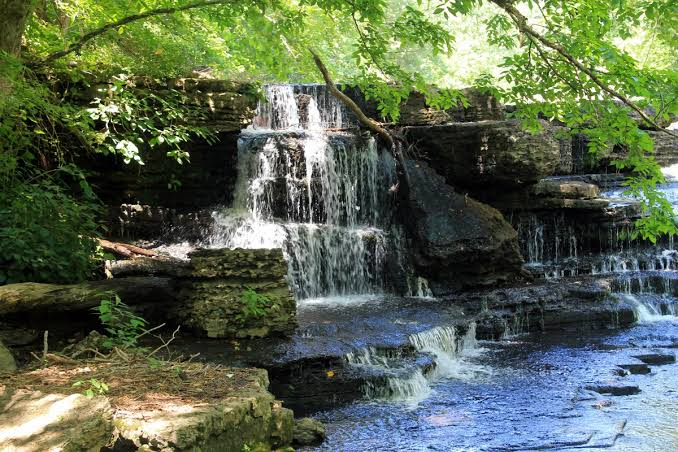
Situated near Manchester, Tennessee, at the junction of the Duck River and Little Duck River, the Old Stone Fort is one of the most remarkable prehistoric ceremonial enclosures in North America. Constructed during the Middle Woodland Period between approximately 80 and 550 CE, the site occupies a naturally defended peninsula surrounded on three sides by steep river gorges. Despite its name, the structure was not a military fortification but rather a large ceremonial complex used for religious gatherings, trade, and social interaction. Massive earthen embankments reinforced with stone walls enclosed approximately 50 acres (20 hectares), making Old Stone Fort one of Tennessee's most impressive prehistoric monuments.

Engineering and Construction

Builders took advantage of the natural landscape by constructing earthen embankments across the narrow neck of the peninsula while using limestone slabs to stabilize portions of the walls. These embankments reached several meters in height and were carefully engineered to control access to the enclosed ceremonial space.

The strategic placement of gateways suggests that movement into the enclosure followed organized ceremonial routes rather than defensive military purposes. The site's construction demonstrates advanced knowledge of landscape engineering and communal labor organization.

Ceremonial Functions

Archaeological evidence indicates that Old Stone Fort served as a regional gathering place where Woodland communities assembled for seasonal festivals, religious ceremonies, trade fairs, and social events. Rituals likely involved ancestor worship, feasting, exchange of goods, and astronomical observations associated with seasonal cycles.

Unlike Mississippian mound centers dominated by hereditary chiefs, Old Stone Fort appears to have functioned as a communal ceremonial landscape serving multiple surrounding communities.

Artifacts and Archaeological Discoveries

Excavations have uncovered pottery, projectile points, ceremonial pipes, stone tools, shell ornaments, and food remains that reveal repeated seasonal occupation. The variety of artifacts suggests that people traveled considerable distances to participate in gatherings held within the enclosure.

Conclusion

Old Stone Fort represents one of the finest examples of Woodland ceremonial architecture in eastern North America. Its unique hilltop enclosure, sophisticated engineering, and carefully planned ceremonial landscape demonstrate the remarkable social organization and religious traditions of prehistoric Tennessee communities centuries before the rise of the Mississippian civilization.

← Lindsley Park Mounds: Tennessee's Woodland BurialsSeven Mile Island: Tennessee's Mississippian Village →
Featured
image_2026-07-26_232306564.png
August 2, 2026
Chucalissa: Tennessee's Shell-Tempered Pottery Site
August 2, 2026
Read more →
August 2, 2026
image_2026-07-26_232234845.png
August 2, 2026
Renfrew Mounds: Mississippi's Moundville Satellite
August 2, 2026
Read more →
August 2, 2026
image_2026-07-26_232049483.png
August 2, 2026
Carson Mounds: Mississippi's Mound Group Metropolis
August 2, 2026
Read more →
August 2, 2026
image_2026-07-26_232020672.png
August 2, 2026
Feltus Mounds: Mississippi's Plaquemine Culture
August 2, 2026
Read more →
August 2, 2026
image_2026-07-26_231915672.png
August 2, 2026
Grand Village of the Natchez: Mississippi's 17th-Century Site
August 2, 2026
Read more →
August 2, 2026
image_2026-07-26_231627735.png
August 2, 2026
Winterville Mounds: Mississippi's Temple Complex
August 2, 2026
Read more →
August 2, 2026
read more

Powered by The archaeologist