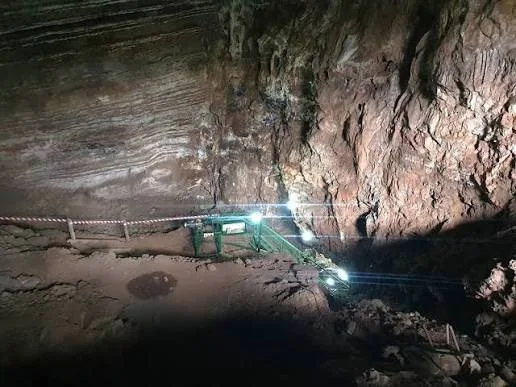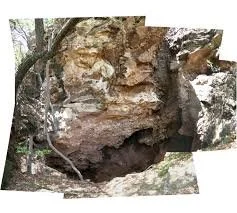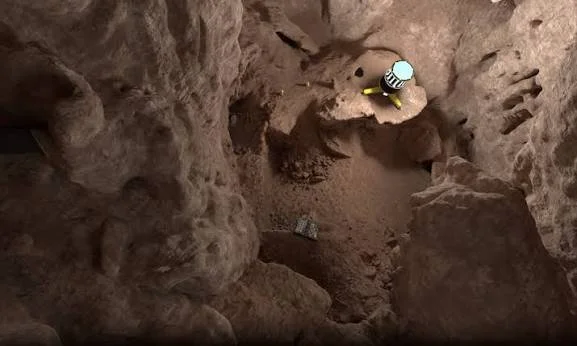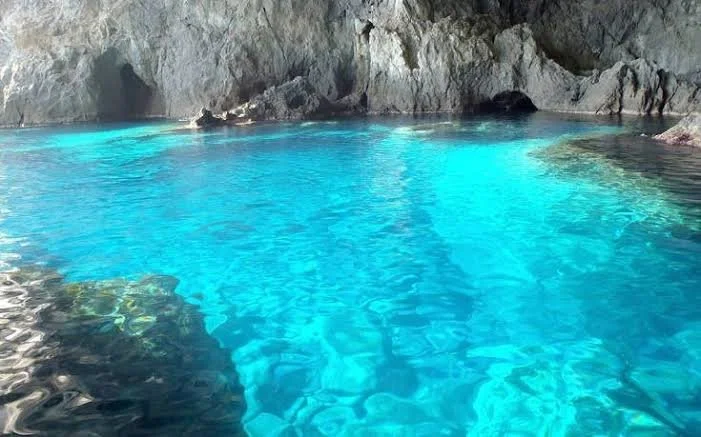
The island of Kythira occupies a vital geographic position in the southwestern Aegean, acting as a natural maritime stepping stone and radar post between the western tip of Crete and the southern coast of the Peloponnese. On the steep, wave-beaten cliffs of the island’s northern coast sits Prassa Cave, a deep limestone cavern that has become the focus of intense prehistoric research. Recent stratigraphic excavations inside the cave's main chamber have exposed a remarkably deep, uninterrupted sequence of human occupation extending from the Late Mesolithic straight through the Early and Middle Neolithic periods (c. 7000–4500 BCE).
Prassa Cave did not function as a permanent, sedentary farming village. Instead, the architectural and artifactual data proves it served as a highly specialized, seasonal base camp and shelter for the Mediterranean’s earliest blue-water seafarers. The cave’s cultural layers provide clear evidence of the complex logistical strategies developed by prehistoric humans to conquer the open sea long before the rise of the first palaces.
The floor of the cave is dense with maritime refuse. The faunal assemblage is dominated by the bones of large, pelagic fish species, most notably the Atlantic bluefin tunny (Thunnus thynnus). Capturing these massive, fast-moving fish required open-water coordination, specialized watercraft, and the manufacture of heavy fiber nets or bone harpoons. The presence of these bones inside Prassa Cave demonstrates that these early mariners were regularly venturing out into deep blue water, exploiting migratory fish routes that ran past the cliffs of Kythira.
Alongside the marine remains, the cave has yielded an astonishing quantity of stone tool technology made from Melian obsidian—a black, volcanic glass that can only be sourced from the island of Melos, located over 100 kilometers of open sea to the east. The excavation team recovered thousands of micro-blades, cores, and specialized debitage flakes. A detailed study of the wear patterns on these blades reveals they were primarily used for processing fish, repairing wooden boats, and scraping animal hides.
The presence of raw obsidian cores shows that mariners were sailing to Melos, quarrying large blocks of volcanic glass, and transporting them back to Prassa Cave to craft tools on-site. The site shatters the old historical narrative that Neolithic humans were isolated, land-bound farmers terrified of the deep sea. Prassa Cave proves that 7,000 years ago, the Aegean was already a connected highway, navigated by confident groups of seafarers who used Kythira as a vital base camp to manage long-distance trade, fish extraction, and raw material supply lines across the Mediterranean.