Hidden Vault Discovered Beneath Canterbury Square
A concealed underground chamber uncovered beneath a busy public square in Canterbury may hold the remains of an 18th-century clergyman and poet, according to specialists involved in the investigation.
The brick-built vault came to light during renovation work at St Mary Bredman Square. While historians believe it could be connected to Reverend John Duncombe, they caution that this identification has not yet been confirmed.
A Careful and Unexpected Find
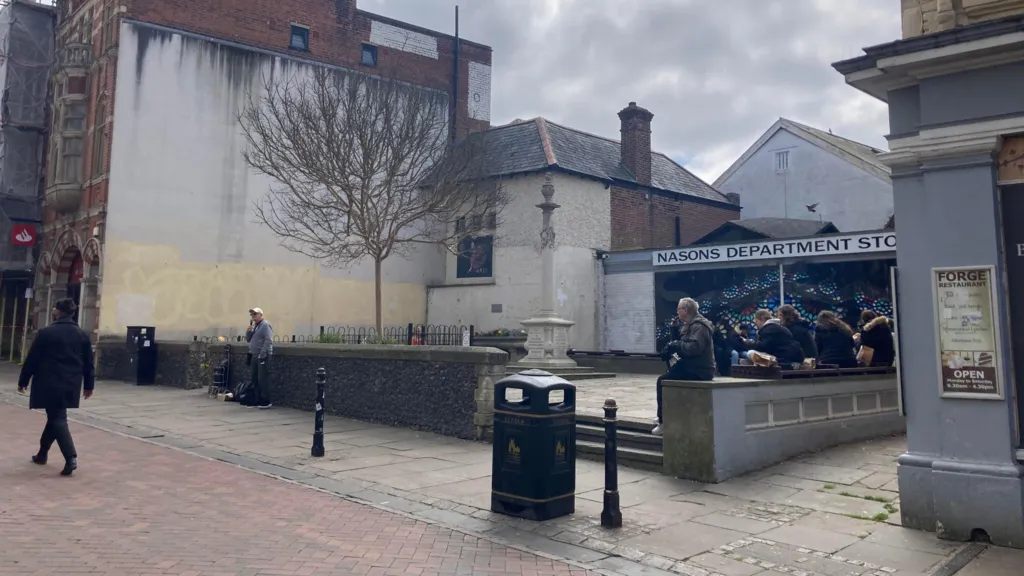
The discovery happened when workers removed paving stones near the site of the former Nason’s department store. Beneath the surface, they encountered what experts described as an unexplored hollow space lined with brickwork.
This chamber is one of at least 14 burial vaults that have been examined across three church locations in the city. Its position and design suggest it may date back several centuries, adding to Canterbury’s already rich historical landscape.
Possible Link to an 18th-Century Figure
Researchers believe the vault could be associated with Reverend John Duncombe, a church leader and writer active during the 1700s. However, archaeologists emphasize that the connection remains speculative. Further evidence would be required to confirm whether the vault truly belongs to him.
Preserving the Past
Following the discovery, Canterbury City Council requested assistance from Canterbury Archaeological Trust. The organization documented the structure carefully to ensure its historical details were preserved.
To protect the contents of the chamber, archaeologists chose not to carry out a full excavation. By leaving the vault undisturbed, they aim to safeguard whatever remains inside for future research and conservation efforts.
Why This Discovery Matters
Finds like this highlight the layers of history hidden beneath modern city spaces. Even well-traveled public areas can conceal remarkable stories waiting to be uncovered. As investigations continue, the mystery of the Canterbury vault offers a fascinating glimpse into the city’s past and the figures who once shaped its cultural and spiritual life.
Historic Records Point to Possible Identity
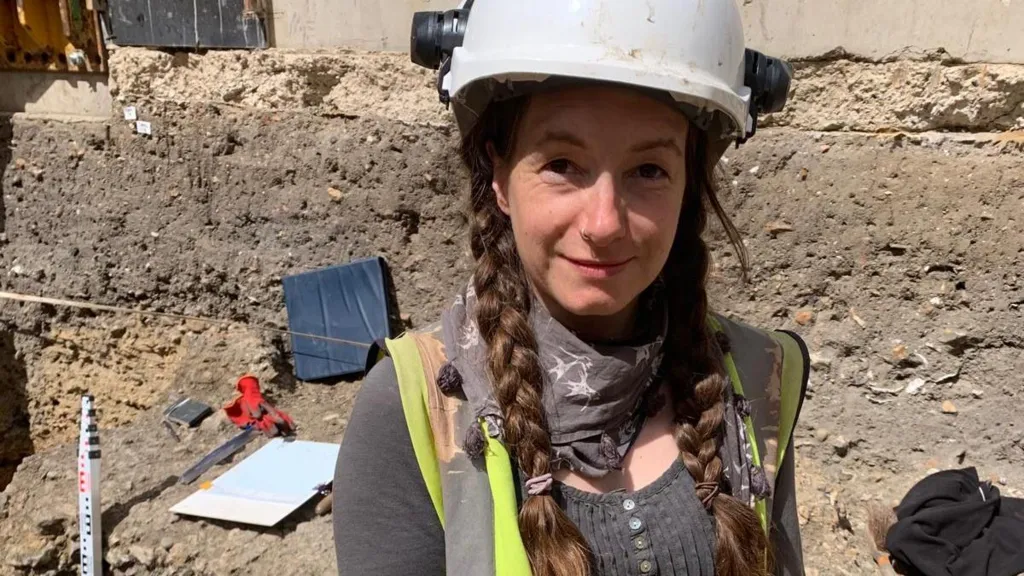
Archaeologist Jess Twyman explained that an account from the late 1700s describing memorials inside the church mentioned a grave slab dedicated to John Duncombe. The record noted that Duncombe passed away in 1786 at the age of 56.
Early findings confirm that he served as vicar of St Mary Bredman. Beyond his clerical duties, he was also known for his poetry and for writing on archaeological subjects—an unusual and fascinating combination for the period.
While the historical reference is compelling, Twyman emphasized that the connection remains uncertain. “We cannot confirm it is his burial vault,” she said, “but the possibility is certainly there.”
Size and Location Suggest Status
The research team documented the chamber as measuring approximately 2.5 meters long and just under one meter wide. Its position directly in front of the church altar is particularly significant.
Burials placed so close to the altar were typically reserved for individuals of high standing within the community. This detail strengthens the theory that the vault may have belonged to an important local figure such as Duncombe.
A Separate Symbolic Discovery
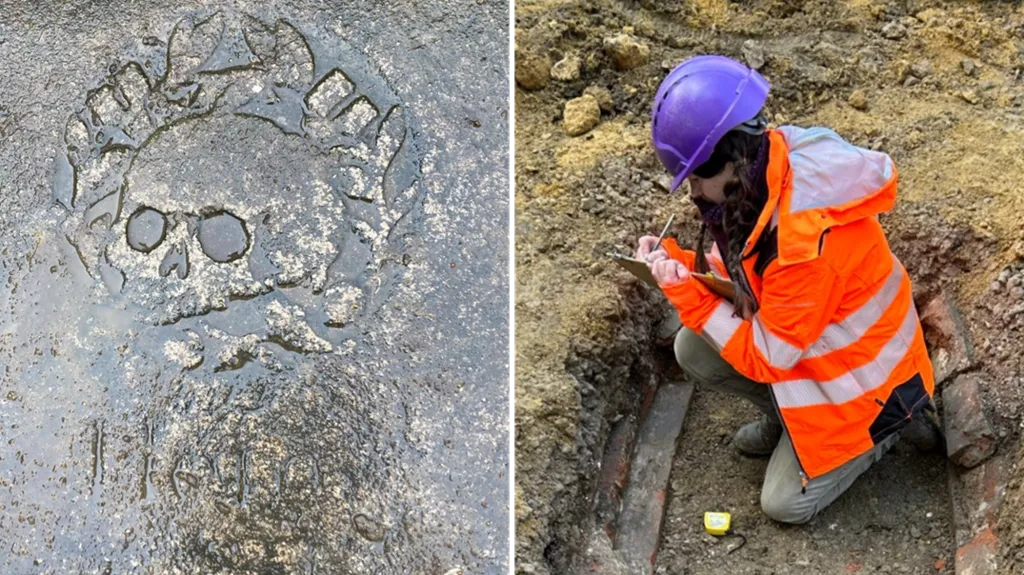
During the investigation, archaeologists also uncovered another grave slab featuring a carved skull encircled by a laurel wreath. This style, known as a “memento mori,” served as a reminder of mortality and was a common funerary symbol in earlier centuries.
Despite its striking design, researchers have confirmed that this second slab is not connected to Duncombe.
A Story Still Unfolding
Although the evidence is intriguing, experts remain cautious. The vault’s size, placement, and historical references suggest it may be linked to a prominent 18th-century figure, but further research will be needed to determine its true occupant.

A Lifelong Passion for the Past
After 25 years with the Canterbury Archaeological Trust, Jess Twyman says her fascination with burials has never faded—even if some of her colleagues don’t quite share her enthusiasm.
For Twyman, archaeology is not just about bones or brickwork. It’s about understanding how people once lived. “What matters most to me,” she explained, “is discovering the stories behind people’s lives in the past.”
Her interest began remarkably early. When she was just five or six years old, medieval skeletons were uncovered at her primary school, leading to a full excavation. That moment left a lasting impression and ultimately shaped her career path.
More Vaults Yet to Be Found?
So far, researchers have investigated 14 burial vaults across three church sites in Canterbury. Twyman believes there may still be more hidden beneath the city’s streets, waiting to be revealed.
Her colleague Mark Houliston points out that many churches began appearing in urban areas during the late Saxon period. Within Canterbury’s historic walls alone, there were once around 25 parish churches. Some of these, including St Mary Bredman and St Mary Magdalen, are now gradually uncovering traces of their long and layered histories.
Reviving “Unloved” Spaces
The discoveries form part of a wider effort by Canterbury City Council through its Connected Canterbury project. Backed by government funding, the initiative aims to improve neglected parts of the city while celebrating its cultural heritage.
According to Houliston, the project is not only about physical improvements. It also focuses on sharing Canterbury’s story with residents and visitors alike.
Twyman has witnessed firsthand how curious people remain about the past. “If there’s a hole in the ground,” she said with a smile, “people will always stop and look. They want to understand what’s there.”
A City That Still Sparks Curiosity
These ongoing excavations show that Canterbury’s history continues to capture public imagination. Beneath everyday streets and squares lie powerful reminders of earlier centuries—proof that the past is never too far below the surface.
From Markets to Memory: The Story of St Mary Bredman Square
According to archaeologist Mark Houliston, the church that once stood at St Mary Bredman Square earned its name from a nearby bread market. Interestingly, it was previously known as St Mary Fishman, reflecting the fish market that also operated close by. The changing names highlight how closely the church was tied to the daily commercial life of the city.
The building itself did not survive into the modern era. In 1900, it was taken down after officials determined it was no longer structurally safe.
Bringing the Past Back to Life
Today, the square is home to a war memorial and landscaped flowerbeds. However, new plans aim to reconnect the space with its historic roots.
A mural designed to resemble a church window will be installed, offering visitors a visual reminder of the lost building. This artistic feature will help residents and tourists imagine what once stood there, blending heritage with contemporary design.
Creating a Peaceful Urban Retreat
The redevelopment will also introduce fresh plantings, including flowers and trees, along with new seating areas. The goal is simple but meaningful: to transform the square into a calm and welcoming space just steps away from the bustling high street.
By combining greenery, public art, and thoughtful design, the project seeks to create a small haven where people can pause, reflect, and enjoy a moment of quiet in the heart of the city.