Prehistoric Trepanation: Evidence of Successful Brain Surgery in the Neolithic
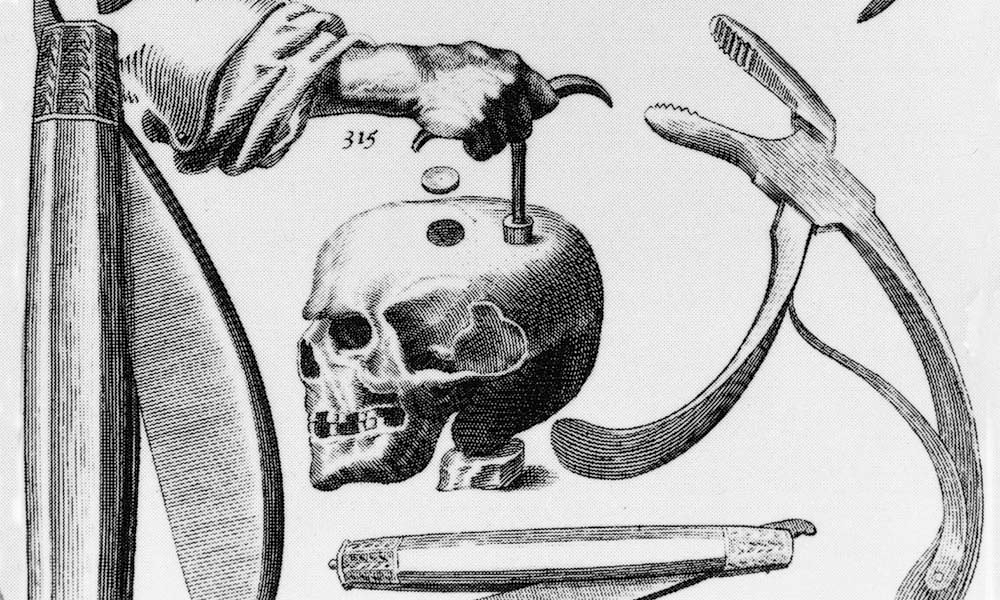
Trepanation—the surgical procedure of boring, scraping, or cutting a hole into the skull—is the oldest documented surgical operation in human history. Emerging as early as the Mesolithic and becoming widespread during the Neolithic period, this practice highlights the surprising medical sophistication and resilience of our ancient ancestors.
1. The Archaeological Evidence of Healing
For many years, the discovery of skulls with holes puzzled archaeologists, with some speculating they were the result of post-mortem rituals or accidental injuries. However, bioarchaeologists confirmed that many of these individuals were alive during the procedure due to clear signs of bone remodeling.
Bone Regeneration: The edges of the trepanation holes in excavated skulls show signs of new bone tissue growth (osteogenesis). When the edges are rounded and smoothed over, it proves the patient survived the surgery and lived for months or even years afterward.
Frequency: Across various Neolithic sites in Europe, the Czech Republic, and France, archaeologists estimate that 5% to 10% of recovered skulls show evidence of trepanation.
Multiple Operations: Some skulls display multiple trepanation sites, indicating that certain individuals underwent the procedure more than once and survived multiple surgeries.
2. Tools and Techniques
Surgeons in the Neolithic period operated without anesthesia or modern sanitation, relying on rudimentary tools made from stone.
Scraping: The oldest and most widely used method involved using a sharp piece of flint or obsidian to repeatedly scrape away the bone until a perforation was made.
Grooving and Cutting: Another technique involved scoring or grooving a circular outline on the skull and removing the central piece of bone.
Drilling: Surgeons would drill a series of small, closely spaced holes in a circle and then chisel out the bone connecting them.
3. Motivations for the Procedure
While the exact reasons for the surgery are debated, archaeological and anthropological evidence points toward both therapeutic and spiritual purposes:
Treating Head Trauma: Trepanation was frequently performed to relieve pressure after an injury, clean out pooled blood, or remove shattered bone fragments from a fracture caused by clubs, stones, or falls.
Spiritual Intervention: In many Neolithic cultures, illness, severe headaches, or abnormal behavior (such as epilepsy) may have been attributed to evil spirits. The hole in the skull may have served as an outlet for these afflictions.
Medical Decompression: In some cases, it may have been used to relieve chronic intracranial pressure or other neurological disorders.
4. High Survival Rates
One of the most remarkable aspects of prehistoric trepanation is the high rate of patient survival, which is even more impressive considering the lack of sterile environments and modern antibiotics.
Comparison to Later Eras: Studies comparing the healing of prehistoric skulls to those from later eras (such as the American Civil War) show that Neolithic patients had a surprisingly high recovery rate, with some estimates suggesting over 50% to 80% survival rates depending on the region and the skill of the surgeon.
Anatomical Care: Prehistoric surgeons were often careful to avoid major blood vessels and the midline of the skull, indicating a practical, empirical understanding of cranial anatomy.
Summary of Neolithic Surgical Success
Discovery: The procedure is documented across multiple continents, most notably throughout Europe and South America.
Survival: Healed bone margins demonstrate successful operations and long-term recovery.
Technique: Relied on precise scraping or cutting using flint and obsidian blades.